


- Home
- Blog
- Industry News
- How Do You Choose a Butterfly Valve for Isolation Versus Throttling Service
How Do You Choose a Butterfly Valve for Isolation Versus Throttling Service
-
 ET Valve
 - September 18, 2026
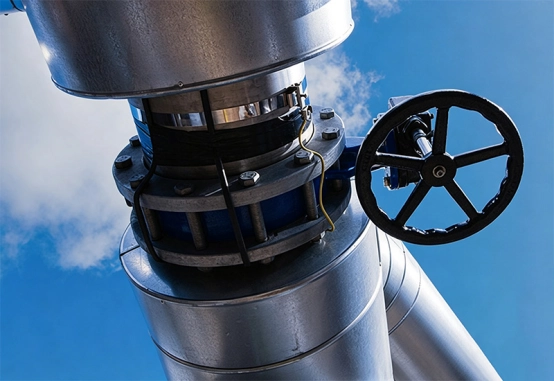
A butterfly valve selected for isolation spends most of its life fully open or fully closed. A throttling valve may hold at 30% and move repeatedly as process demand changes. Those duties look similar on a piping drawing. They impose different loads on the internal parts and actuator.
Selection begins with the medium and operating envelope. Flow and pressure behavior narrow model selection and design. Cycling frequency and shutoff class narrow it further. A valve that seals well during an occasional shutdown may wear quickly as an hourly control element.
1. The First Decision: Isolation or Throttling?
Isolation puts sealing reliability near the top of the list. Throttling adds flow behavior, dynamic torque, and erosion resistance.
Isolation Service
Isolation valves separate equipment during maintenance or stop flow during a shutdown,in cooling-water lines, a resilient-seated butterfly valve can provide tight shutoff with little pressure loss when open,seat integrity matters more than fine control. The required leakage rate should reference a recognized test standard rather than only “zero leakage.” Typical duties include water and wastewater, fire systems and utility piping are also common.
Throttling Service
A throttling valve works at intermediate disc positions. Its normal operating angle matters. So do pressure drop and expected flow range.
Partly closing the disc raises velocity around its edges, noise or vibration can develop, Cavitation and local erosion may follow. A wastewater plant once replaced an oversized control valve after discovering that it spent nearly every shift below 15% open. The actuator was working. Control was poor and the signs of erosion.
Continuous modulation needs a valve designed and sized for control duty, not merely one that can be left half open.
2. Start With Service Conditions, Not the Valve Catalog
A catalog gives dimensions and ratings. It cannot define the process. Prepare this data before comparing models:
- Medium: water, wastewater, air, gas, slurry, chemicals, powder, or corrosive fluid
- Operating pressure
- Minimum and maximum temperature
- Minimum and maximum flow
- Upstream and downstream pressure
- Flow direction and pipe orientation
- Operating frequency
- Required shutoff performance
- Available installation space
- Connection dimensions and applicable standards
Pipe size alone is not enough. EPDM suits many water duties but not every oil or chemical. Aggressive media may need PTFE-lined wetted parts. Hot flue gas may require a metal seat and heat-resistant materials.
When the service data is uncertain, send ET VALVE your operating data for a preliminary configuration review.
3. How to Choose a Butterfly Valve for Isolation Service
For isolation, work outward from the sealing pair. Confirm compatibility. Then check the body style and pressure rating. Maintenance access matters too.
Select the Seat According to the Medium
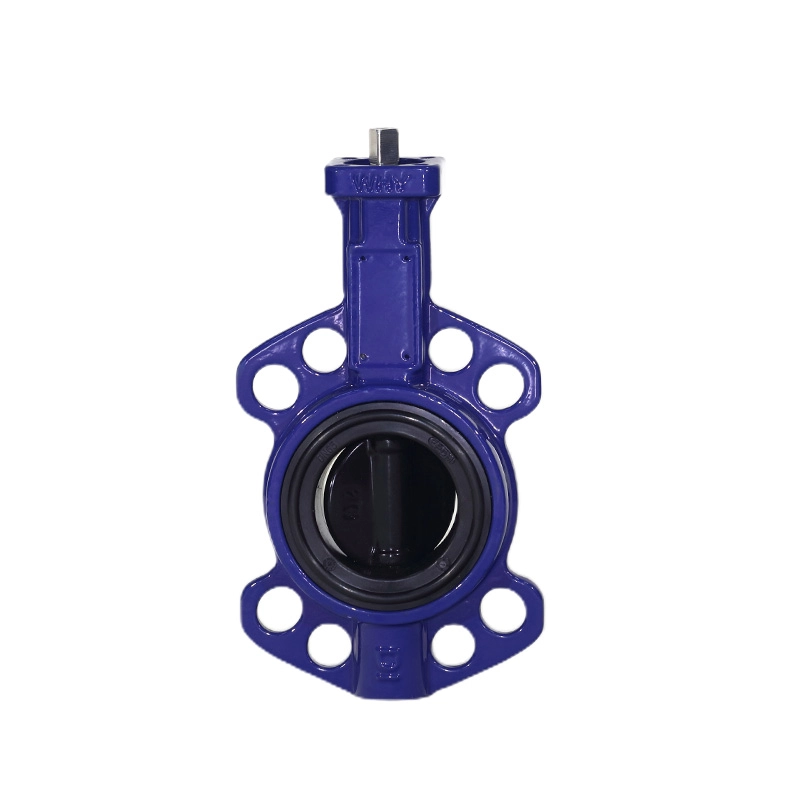
EPDM is widely used for compatible water service. NBR is considered where oil resistance is needed. Chemical duties may require PTFE. High temperatures can push the design toward metal seats or specialized seals. A material may resist the fluid at room temperature yet weaken as temperature rises. Cleaning chemicals and process excursions also count.
Select the Body and Connection Design
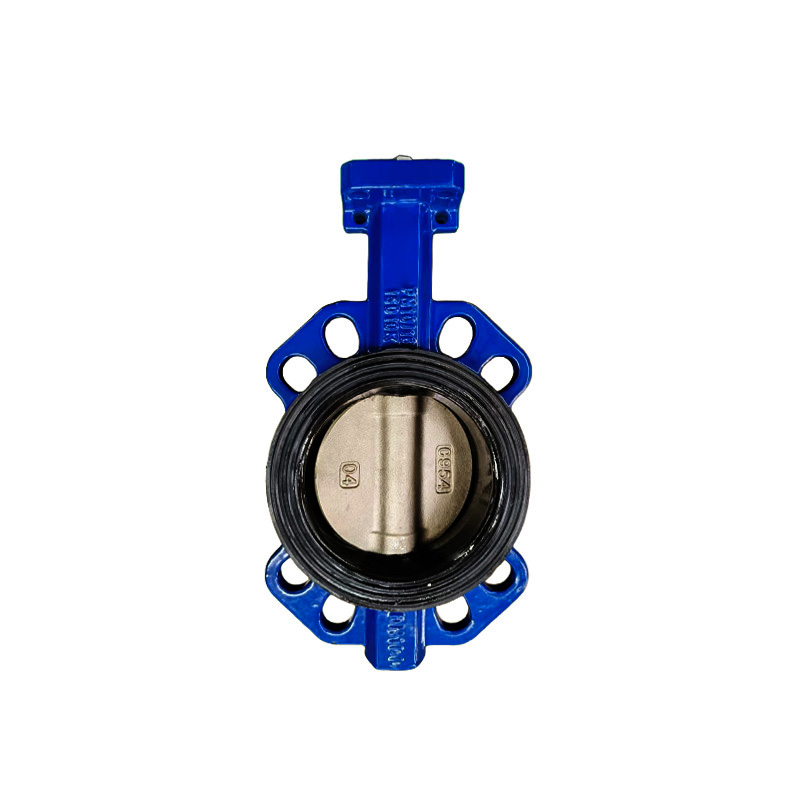
A wafer-type soft-seated butterfly valve is compact and economical. A lug-type backrest-seated butterfly valve fits one-sided removal or dead-end service.
Double-flange construction provides a rigid connection for large diameters. For aggressive chemicals, a full F4-lined split-body butterfly valve isolates metallic surfaces and simplifies seat maintenance.
These are design directions, not automatic selections. Differential pressure, temperature, and flange standard still govern the specification.
4. How to Choose a Butterfly Valve for Throttling Service
Throttling selection begins with flow range and pressure on both sides of the valve. That data supports checks of disc angle and flow coefficient.
Avoid a valve that runs almost closed during normal production. It concentrates velocity in a small area and makes control unstable. An oversized valve is not conservative here. It is often the source of poor resolution.
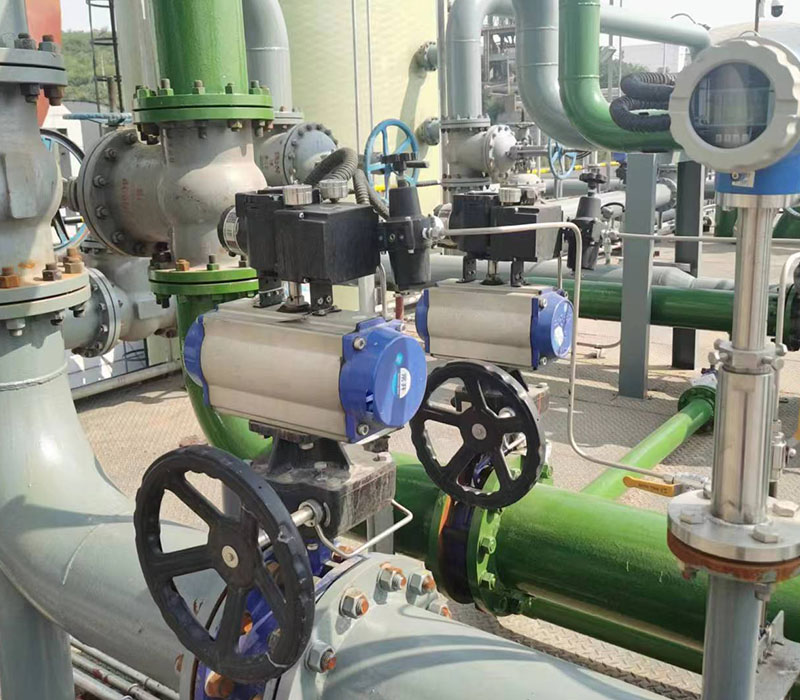
Actuation has equal weight. Pneumatic actuators suit rapid cycling. Electric actuators suit remote operation. A modulating unit needs positioning accuracy and feedback. Process risk determines fail-open or fail-closed behavior.
Request flow coefficient data, torque curves, and operating limits. Do not assign continuous throttling to a standard isolation valve without that review.
5. Match the Valve Design to the Piping System
Connection style affects installation and maintenance. This table provides a starting point.
| Requirement | Preferred Direction |
| Compact installation and lower initial cost | Wafer butterfly valve |
| One-sided removal or dead-end maintenance | Lug butterfly valve |
| Large-diameter industrial piping | Double-flange butterfly valve |
| Corrosive chemicals | F4/PTFE-lined butterfly valve |
| Automated on/off isolation | Pneumatic or electric actuator |
| Continuous flow adjustment | Control-capable design with modulating actuator |
Confirm face-to-face dimensions before purchase. Flange drilling and pressure class must match the piping. Check actuator clearance and shaft orientation on the drawing. Small assumptions become expensive when a shutdown window is six hours.
6. Size the Valve and Select the Actuator Correctly
Valve sizing requires more than DN or NPS. Provide the pressure rating and medium. Add specific gravity plus temperature. The calculation also needs the flow range and pressure on both sides. State the desired pressure drop or Cv when known. Gas service also needs density and compressibility data.
Actuator sizing includes breakaway, running, and seating torque. Differential pressure changes these values. Seat friction does too. Apply a suitable margin, but avoid an actuator large enough to damage the stem or seat.
Define the power source and control signal. State the feedback requirement and safety position. Obtain manufacturer confirmation before releasing the order.
7. Common Butterfly Valve Selection Mistakes
Several mistakes appear repeatedly in project specifications:
- Selecting the valve from pipe diameter alone
- Ignoring seat compatibility with the medium or cleaning process
- Assigning severe throttling duty to a basic isolation valve
- Sizing the actuator without differential-pressure torque
- Missing flange or face-to-face standards
- Omitting temperature excursions and cycle frequency
- Requesting “zero leakage” without naming the test standard
Factory testing should reflect the ordered configuration. Seat material, actuator setup, and pressure direction must match the application.
8. From Valve Selection to OEM/ODM Delivery With ET VALVE
Once the duty is defined, specification work becomes practical. ET VALVE manufactures butterfly valves alongside other industrial valves and accessories. Production support covers customized materials and lining. Actuation or special dimensions can also be developed. Private branding is available for OEM programs.
Projects involving several valve types benefit from coordinated OEM and ODM manufacturing services. One engineering review can address both isolation and control points. It can also cover actuator interfaces and package testing. This approach suits water treatment and petrochemical plants. It also fits power and heavy-industry systems.
For a recommendation and quotation, state the medium and DN. Include pressure plus temperature. Add the flow rate and connection standard. The actuator requirement and project quantity complete the request. Photos help when replacing an installed valve.
FAQ Section
Q: Can a butterfly valve be used for both isolation and throttling?
Yes, if its design and sizing support both duties. Check operating angle and pressure drop for throttling. Seat wear and actuator control also need review. Shutoff must still meet the isolation requirement.
Q: Which butterfly valve seat is best for corrosive media?
There is no universal seat. PTFE or F4-lined designs are common, but concentration and temperature change compatibility. Confirm every wetted material against the process fluid.
Q: What information is needed to size a butterfly valve and actuator?
Provide the medium and pipe size. State the pressure class plus temperature. Flow range and pressure on both sides are essential. Add the connection standard and shutoff requirement. Cycle frequency also matters. Include the control signal and fail position. The valve and actuator can then be checked as one assembly.
Recent Posts
-
 Understanding the Soft Seal Butterfly ValveJuly 7, 2026
 -
 Ride the Wind and Waves, Forge Ahead.July 7, 2026
 -
RELATED PRODUCTS
Select the product you are interested in
Contact Us
Contact us anytime




ET Valve