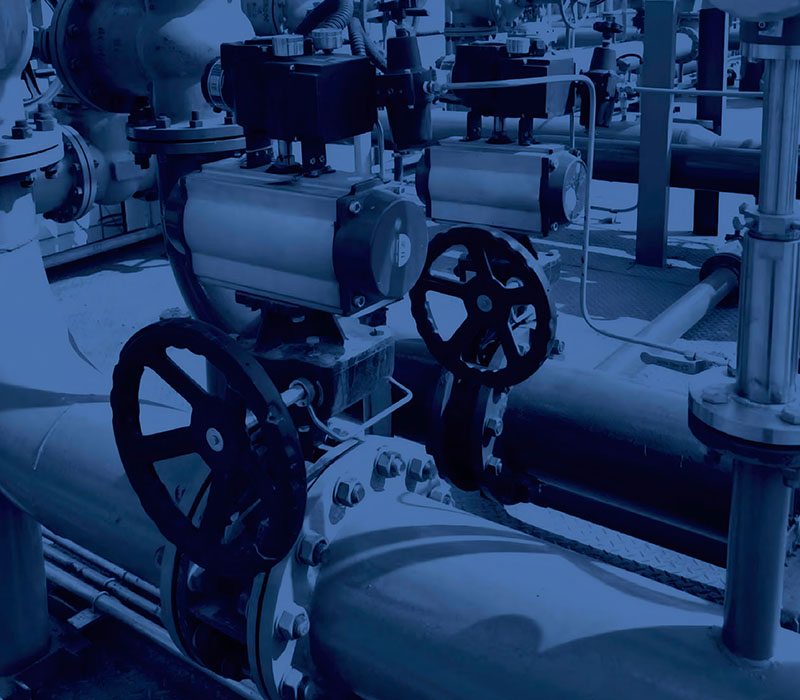
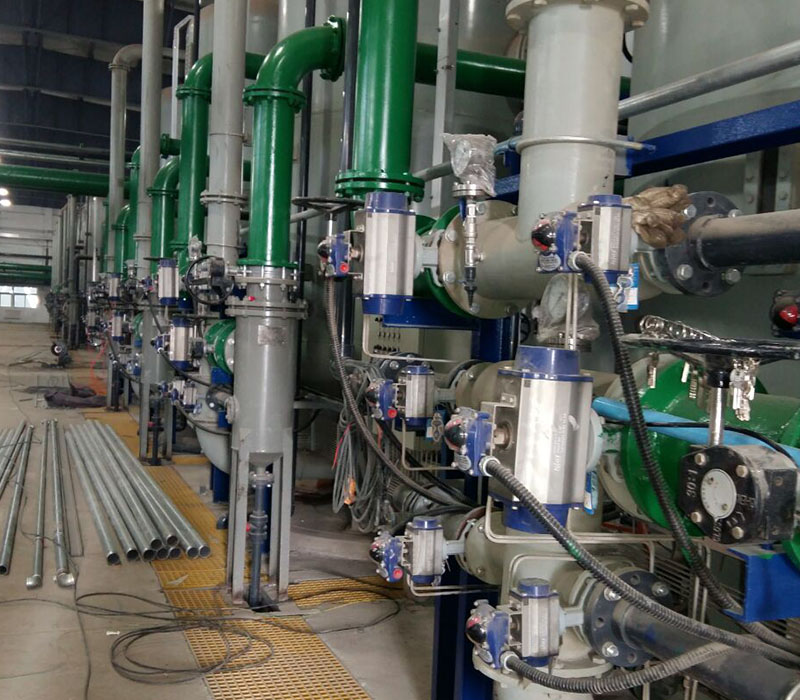
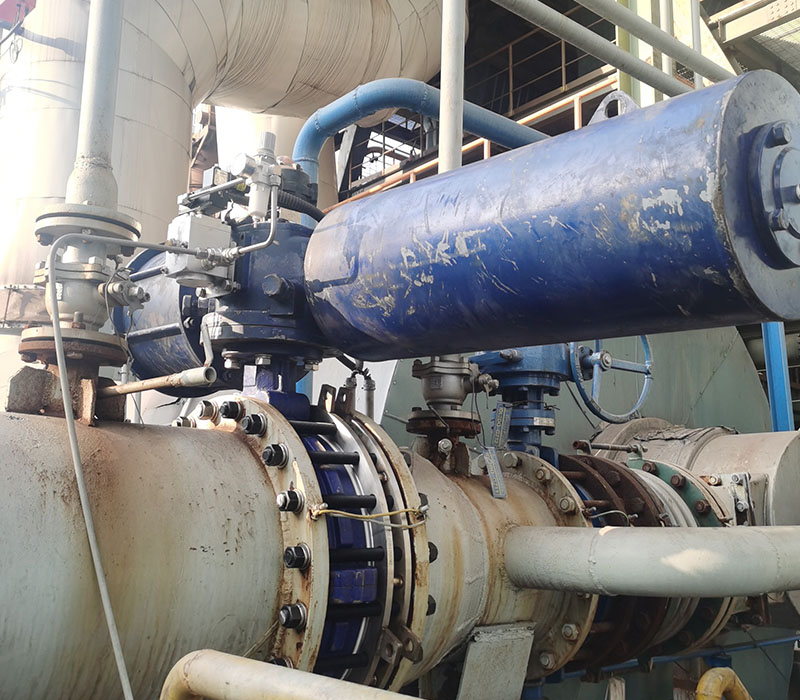
In today’s industrial development, the chemical, environmental protection, and food processing industries have increasingly higher performance requirements for valves. The successful development of a high-performance center-line soft-sealed butterfly valve provides strong support for the upgrading and development of these industries.
The company has been deeply involved in the field of powder conveying and fluid control for many years and has accumulated rich experience. Targeting the different characteristics of media in the chemical, environmental protection, and food processing industries, the company has carefully optimized the design of the center-line soft-sealed butterfly valve. Using an innovative sealing structure, it effectively solves the problem of easy jamming of traditional valves in viscous media, ensuring that the valve can open and close smoothly. At the same time, the application of special material technology has greatly improved the valve’s resistance to corrosive media, reducing wear and corrosion, and extending the service life of the valve.
In the chemical industry, this butterfly valve can adapt to various complex chemical reaction environments, providing safety and stability for chemical production. In the environmental protection industry, it helps to improve the operating efficiency of pollution control equipment and reduce environmental pollution. In the food processing industry, its good sealing and hygiene performance ensures the safety and hygiene of the food production process. The emergence of this center-line soft-sealed butterfly valve has promoted the technological upgrading of the chemical, environmental protection, and food processing industries and has contributed to the sustainable development of the industry.
The food processing industry has strict requirements for hygiene, safety, and equipment reliability. A valve company specializing in the research and development and manufacturing of center-line soft-seated butterfly valves has successfully met these requirements, bringing good news to food processing enterprises.
The company’s extensive experience in powder conveying and fluid control allows it to accurately grasp the characteristics of various media in the food processing process. For media such as particulate fluids and corrosive additives that may be encountered in food processing, the company has adopted an innovative sealing structure. This structure ensures that the valve will not leak media during frequent opening and closing, avoiding contamination of food and meeting the hygiene standards of the food processing industry. At the same time, the use of special material technology gives the valve good wear resistance and corrosion resistance, allowing it to withstand the long-term effects of food processing media. Even in harsh environments such as high temperature and high humidity, it can maintain stable performance, significantly improving the service life of the product.
This center-line soft-seated butterfly valve has been highly recognized in the application of food processing enterprises. It provides reliable assurance for fluid control in the food processing process, helping enterprises improve production quality and efficiency and meet consumer requirements for food safety and quality.
With increasingly stringent environmental protection requirements, environmental protection equipment has higher expectations for valve performance. A professional valve company, with its innovative achievements in the field of center-line soft-sealed butterfly valves, has brought new impetus to the environmental protection industry.
The company has extensive experience in powder conveying and fluid control, and has conducted in-depth research on the characteristics of various fluid media in the environmental protection field. For media such as viscous and corrosive wastewater and chemical reagents commonly found in the environmental protection industry, the company’s developed center-line soft-sealed butterfly valve adopts a unique innovative sealing structure. This structure can closely fit the valve seat, effectively preventing media leakage and avoiding environmental pollution. At the same time, the use of special material technology enables the valve to resist corrosion and wear from the media, maintaining stable performance even after long-term contact with harsh media.
In practical applications, this valve has performed excellently in environmental protection facilities such as wastewater treatment plants and garbage treatment plants. It not only improves the operating efficiency of environmental protection equipment and reduces the frequency of maintenance and replacement caused by valve failures, but also reduces the potential pollution risk to the environment, providing reliable technical support for the sustainable development of the environmental protection industry.
In the chemical industry, the complexity and diversity of process media place extremely high demands on valve performance. Recently, a company specializing in valve R&D and manufacturing announced a major breakthrough in the field of center-line resilient-seated butterfly valves, offering high-performance solutions to chemical enterprises.
With a long-standing focus on powder conveying and fluid control, the company is keenly aware of the severe impact that viscous and corrosive media can have on valves during chemical production. After years of research and practical application, the R&D team meticulously optimized product designs to address the specific characteristics of various media. They adopted an innovative sealing structure that effectively prevents leakage, maintaining excellent sealing performance even in high-pressure and highly corrosive environments. Furthermore, the application of specialized material technologies has significantly enhanced the valves’ corrosion and wear resistance, successfully resolving issues such as jamming and excessive wear—common problems with traditional valves when handling viscous or corrosive media.
Practical application has proven that the company’s center-line resilient-seated butterfly valve performs excellently in the production processes of chemical enterprises. They not only significantly improve valve reliability and reduce production downtime caused by valve failures but also extend service life and lower equipment maintenance costs. This innovative technology provides robust support for safe production and efficient operations within the chemical industry, driving technological advancement across the sector.
In recent years, the demand for high-performance valves has been increasing in the chemical, environmental protection, and food processing industries. A valve company keenly captured this market trend and successfully developed a new type of center-line soft-sealed butterfly valve, making its mark in these industries.
The company has a deep technical foundation in powder conveying and fluid control, and has conducted in-depth analysis of the properties of media in different industries. To meet the stringent requirements of the chemical, environmental protection, and food processing industries for valves, the company has comprehensively upgraded the center-line soft-sealed butterfly valve using innovative sealing structures and special material processes. The innovative sealing structure can effectively cope with the adhesion of viscous media and the erosion of corrosive media, ensuring that the sealing performance of the valve is not affected. The special material process gives the valve higher strength and wear resistance, allowing it to operate stably for a long time under harsh conditions.
In the chemical industry, the new center-line soft-sealed butterfly valve has been successfully applied to various chemical reactors and pipelines, providing a guarantee for the efficient and safe chemical production. In the environmental protection industry, it has played an important role in wastewater treatment and garbage incineration, improving the operating efficiency of environmental protection equipment and reducing pollutant emissions. In the food processing industry, its good hygiene performance and reliable sealing performance provide strong support for food quality and safety. The emergence of this butterfly valve has injected new vitality into the development of the chemical, environmental protection, and food processing industries.
Ah, the butterfly valve! It’s a name that brings to mind colorful insects fluttering in the breeze, but in the world of engineering, it’s a different story altogether. So, what’s the deal with these nifty devices? Let’s dive into the basics and unravel some common questions that often leave folks scratching their heads.
What Is a Butterfly Valve?
To put it simply, a butterfly valve is a type of valve used to regulate the flow of liquids or gases. Think of it as a traffic controller for fluids. It works by using a rotating disc to either allow or block flow through the pipe. Easy-peasy, right? This design not only simplifies operation but also minimizes pressure drop, which is a big win in many applications.
How Does It Work?
Picture this: you’re at a concert, and the crowd is buzzing with excitement. Suddenly, the lights dim, and the music starts. Just like that, the butterfly valve opens or closes to control the ‘flow’ of the performance! In technical terms, when the valve is turned (often by a lever or actuator), the disc rotates 90 degrees to either allow full flow or completely shut it off.
Key Features and Benefits
Simplicity: With fewer moving parts, these valves are easier to maintain.
Compact Design: They save space in piping systems.
Cost-Effective: Generally, they’re cheaper to produce and install compared to other valve types.
Common Applications
Butterfly valves are versatile little wonders! You’ll find them in a variety of industries, including:
Water Treatment: Regulating flow in treatment plants.
HVAC Systems: Controlling airflow and temperature.
Oil and Gas: Managing the movement of hydrocarbons.
Frequently Asked Questions
Still got questions? Let’s tackle some of the most common ones!
How Do I Choose the Right Butterfly Valve?
Choosing the right butterfly valve often feels like picking the perfect avocado at the store. You’ve got to consider the size, pressure rating, and the material of the valve. If you’re dealing with corrosive substances, stainless steel might be your best bet. For wastewater applications, ductile iron or PVC could do the trick.
Are Butterfly Valves Reliable?
You bet! When properly installed and maintained, butterfly valves can last for years. Just remember, like any relationship, they require a bit of care. Regular checks and maintenance can prevent unwanted surprises down the line.
Do They Seal Completely?
Ah, the million-dollar question! While butterfly valves can provide a decent seal, they’re not always 100% leak-proof, especially under high-pressure conditions. If a tight seal is essential, consider a different type of valve, like a gate valve.
Final Thoughts
In the grand scheme of things, butterfly valves play a pivotal role in fluid management across various industries. Whether you’re a seasoned engineer or just dipping your toes into the world of plumbing, understanding these valves can help you make informed decisions. So, the next time you hear the term ‘butterfly valve,’ you’ll know it’s not just about pretty wings; it’s about efficiency and control!
With their simple design and versatility, butterfly valves are truly the unsung heroes of fluid dynamics. Here’s to smoother operations and fewer leaks!

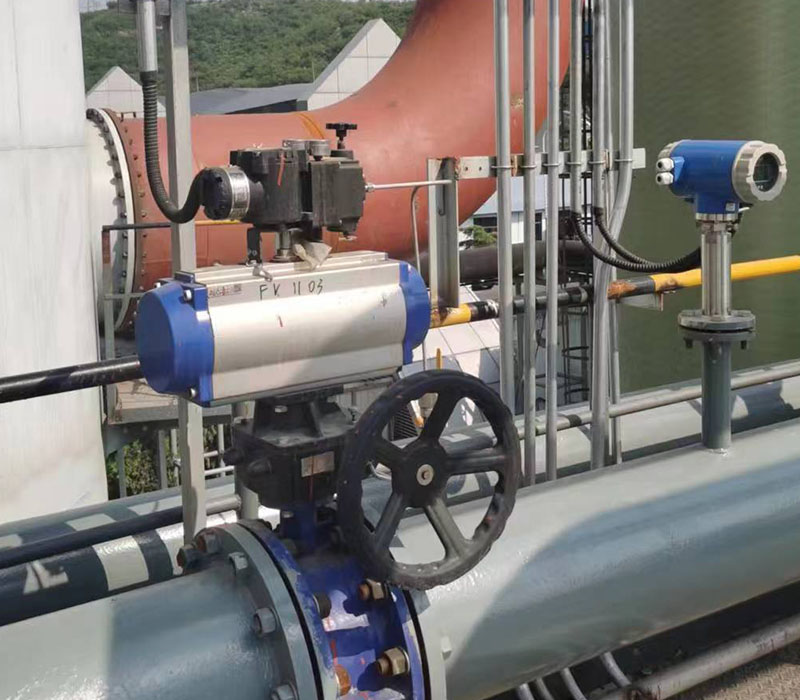
 Understanding the Butterfly Valve7 月 7, 2026