

Hard-Backed vs. Vulcanized Butterfly Valve Seats: Key Differences and How to Choose
-
 ET Valve
- 10月 30, 2026
Before you put a spare seat on the purchase order, check whether the old one actually comes out. That’s the maintenance question behind hard-backed vs. vulcanized butterfly valve seats. It can easily get lost when a quotation just says “rubber seated.”
With ET VALVE’s hard-backed option, you can replace the seat. Choose vulcanized construction and the rubber is bonded to the body instead. We offer both. Which we’d recommend depends partly on your repair plan, but also on the flange joint you have to assemble.
What Is a Butterfly Valve Seat, and Why Does Its Design Matter?
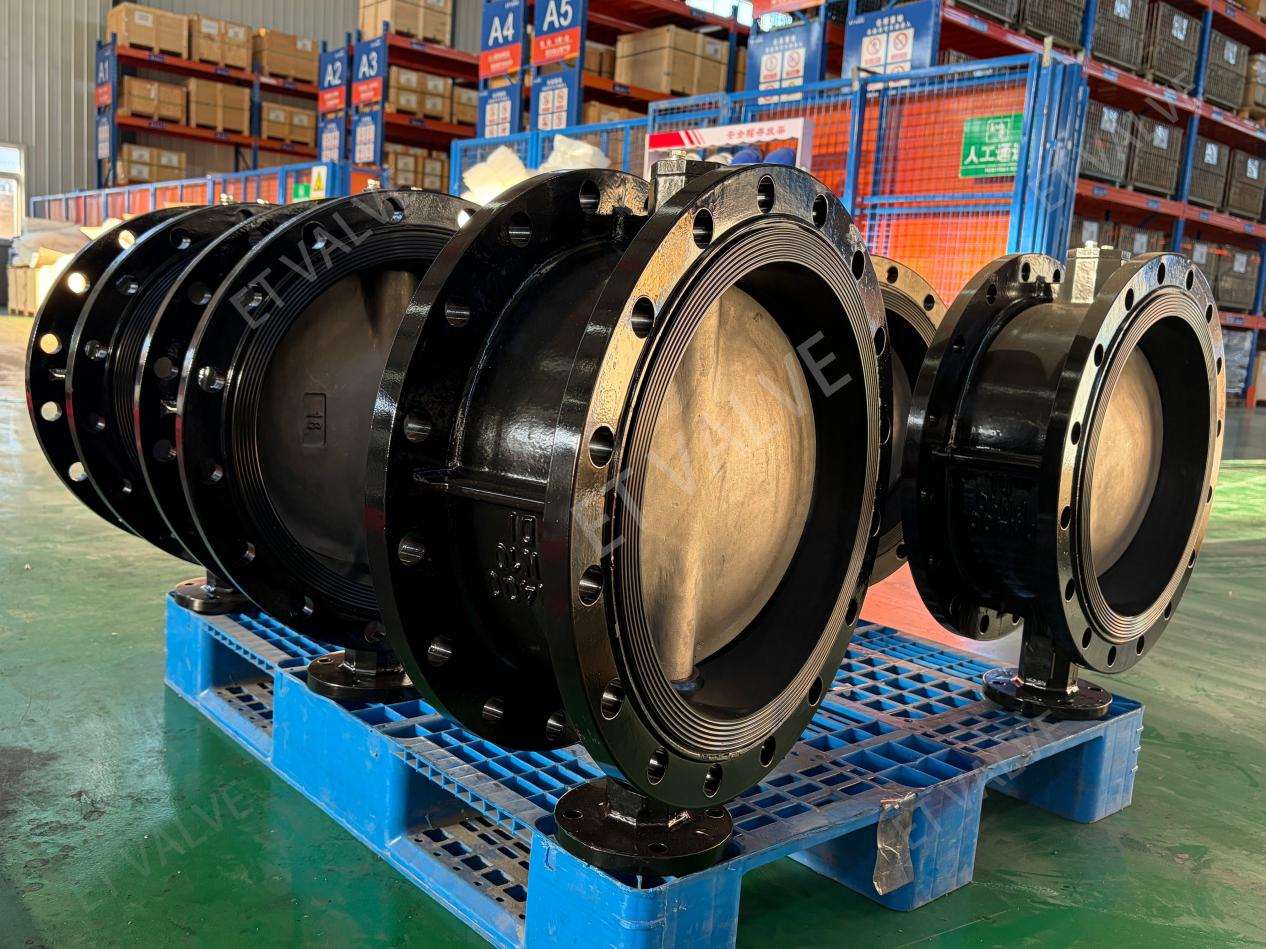
Look inside the bore: the disc closes against the seat to shut off flow. That seat sits between the disc and the body. Follow it out to the ends of these valves and you’ll find another job for it: sealing against the pipe flanges.
Its shape therefore matters during installation as well as maintenance. A seat may fit inside the body yet still need a particular flange arrangement outside it.
Keep construction and material separate when ordering. “Hard-backed” describes how the seat is supported. “EPDM” identifies a material. You need both pieces of information.
What Is a Hard-Backed Butterfly Valve Seat?
Construction and Design
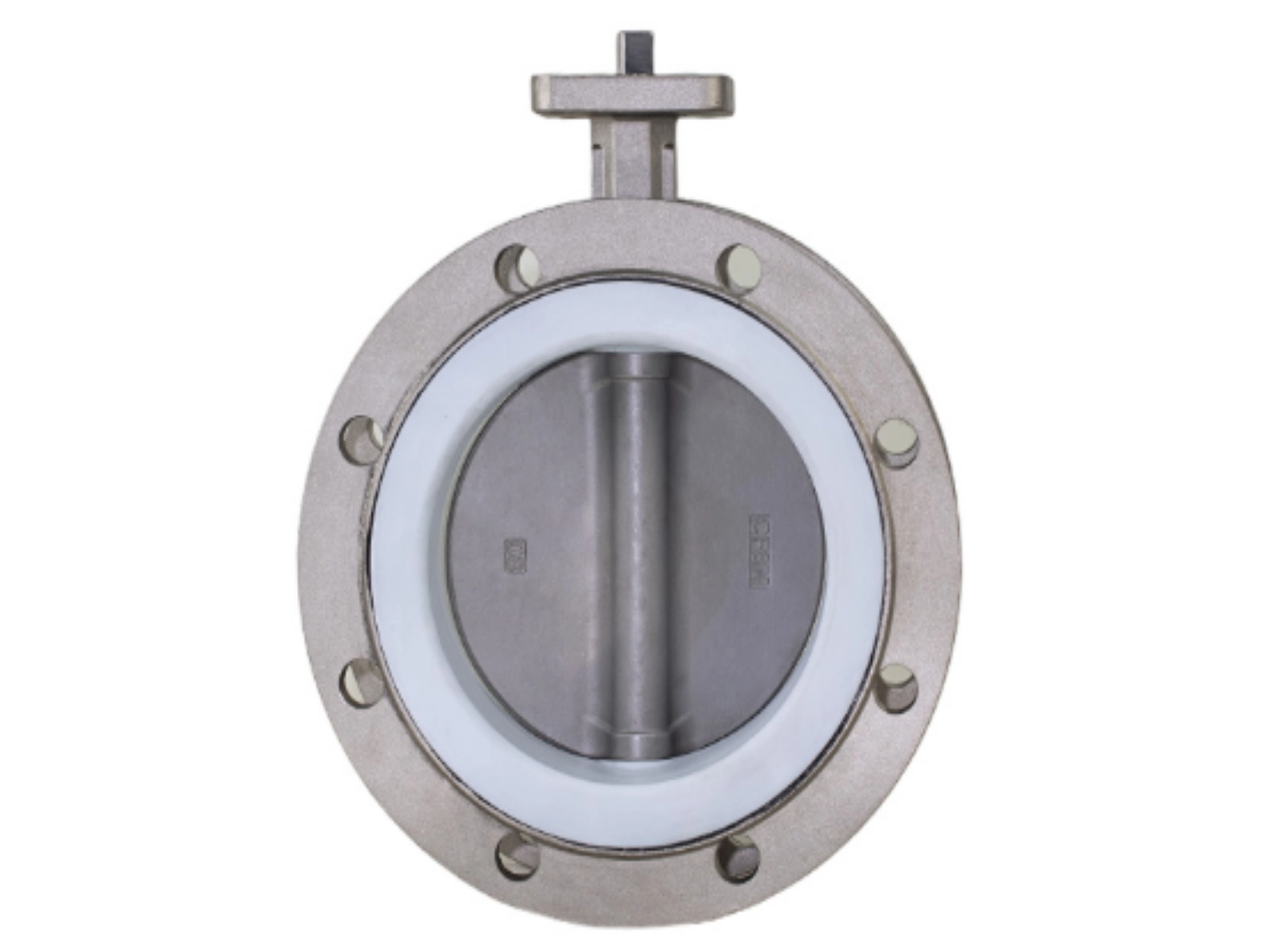
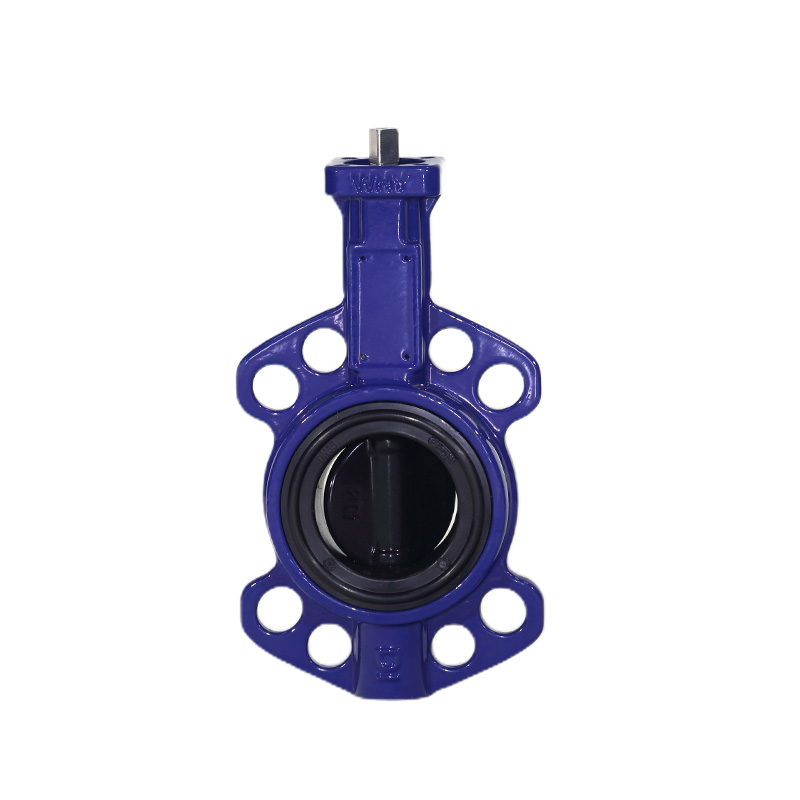
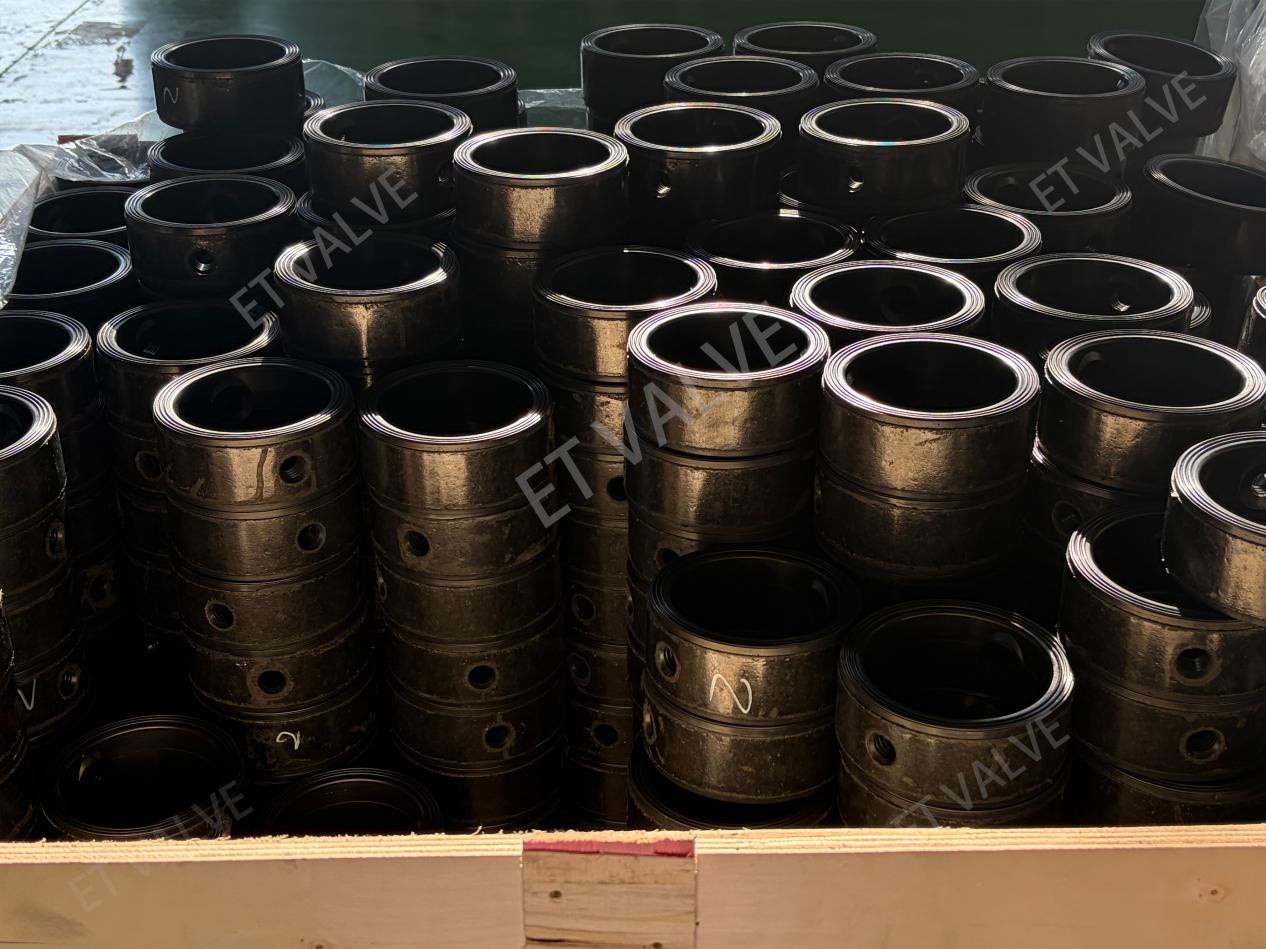
A hard-backed butterfly valve seat has a supporting frame, sometimes called a skeleton. It fits into the valve body through a circular mating arrangement and can be removed for replacement.
In our hard-backed wafer butterfly valve, you’ll also find a flared entrance running from the seat’s end face toward its sealing band. We use that shape to limit disc rubbing during opening and closing. “Hard” refers to the backing here; the sealing contact remains resilient.
Compatible Valve Configurations and Sealing Features
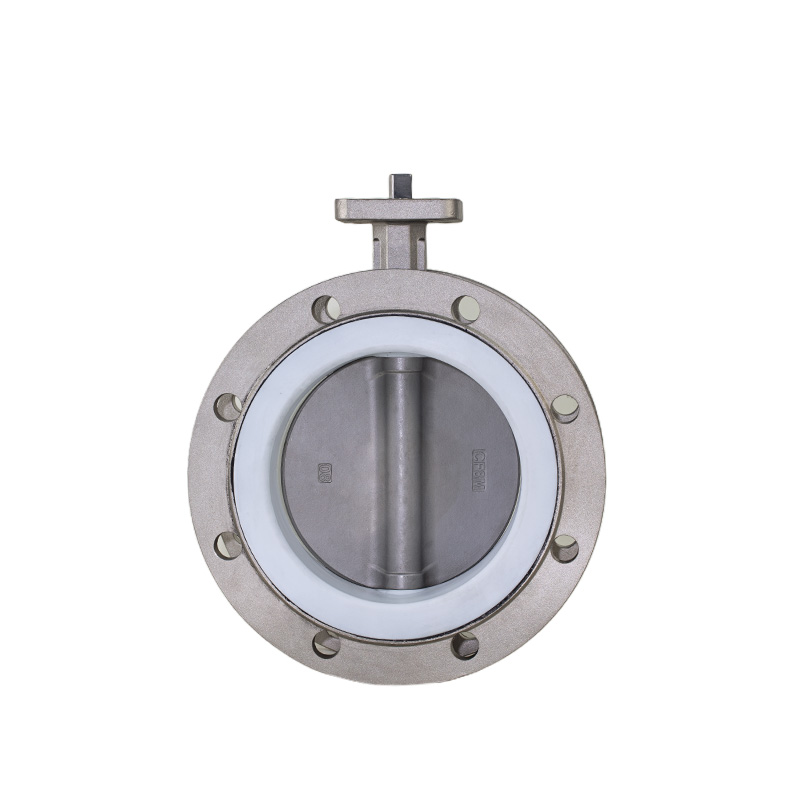
Hard-backed seats are available in wafer bodies and lug butterfly valves. Our U-type flanged configuration also uses them.
The wafer design has three O-ring features at the flange sealing faces. Contact width is relatively narrow. This is where the weld-neck (WN) flange requirement needs attention. Get the joint drawing checked while you’re buying the valve, before the installation crew is left trying to match it to an existing flange.
What Is a Vulcanized Butterfly Valve Seat?
Construction and Installation
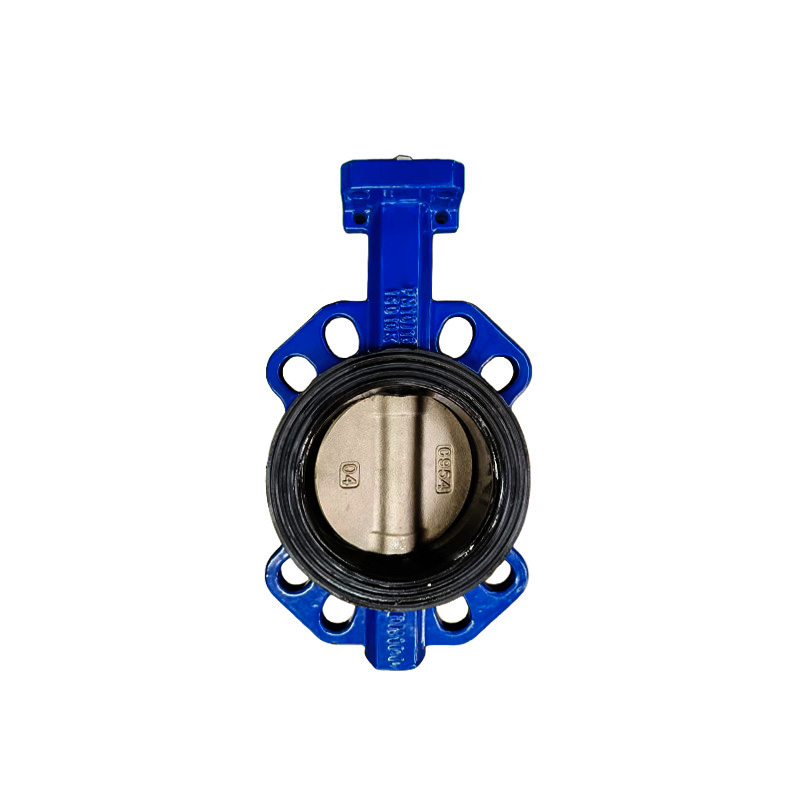
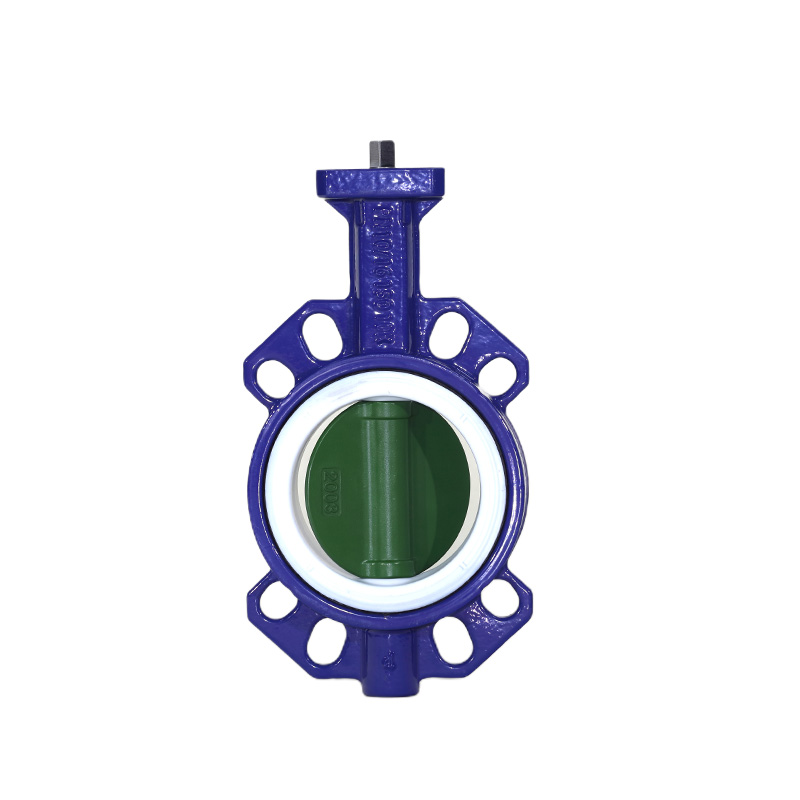
A vulcanized butterfly valve seat attaches directly to the body. It isn’t a loose insert waiting to be pulled out during servicing. For the designs compared here, separate seat replacement is not available.
You’ll find bonded seats in our wafer range and in double-flanged butterfly valves. Allow for that construction when planning spares. Buying a replacement rubber ring won’t provide the same maintenance route as it would for a removable seat.
Sealing Design
Multiple O-ring features form the flange seal. The seat’s outer diameter extends toward the raised-face (RF) area to provide sealing contact.
There is a detail worth checking on the drawing: in the double-flanged design, that extension must remain within the RF diameter. Wafer geometry differs. Use the facing dimensions for the valve you’re buying. An old drawing from a different body style could send you in the wrong direction.
Hard-Backed vs. Vulcanized Butterfly Valve Seats: Key Differences
Put the repair requirement beside the piping drawing when comparing quotations. The differences below affect both, even where the valve sizes are identical.
| Comparison Factor | Hard-Backed Seat | Vulcanized Seat |
| Construction | Supporting frame inside the seat | Seat bonded directly to the body |
| Seat replacement | Removable and replaceable | No separate seat removal or replacement |
| ET VALVE body configurations | Wafer, lug and U-type flanged | Wafer, lug and double-flanged |
| Wafer seat O-rings | Three in this design | Multiple in this design |
| Flange sealing interface | Narrower contact width; check flange selection | Seat extends toward the RF area |
| Maintenance planning | Plan for a replacement seat | Plan around the integrated seat and body |
| Key selection factor | Replaceability and body compatibility | Integrated construction and body compatibility |
For a plant that keeps seat kits in stores, removability has a clear practical attraction. It gives the maintenance team a component they can replace. It doesn’t establish how long the seat will last.
A bonded seat changes that repair plan. Neither construction removes the need to check chemical compatibility or the valve’s pressure limits. We’d settle those points before comparing purchase prices.
How to Choose the Right Butterfly Valve Seat for Your Application
1. Consider Maintenance and Replacement Requirements
Does the workshop normally change seats during an overhaul? Write “replaceable butterfly valve seat” into the enquiry. For a bonded design, ask us what you should hold as a spare. Don’t leave that decision until the line is drained.
2. Match the Valve Body Configuration
Read the connection requirement on the piping drawing. A project specifying U-type flanged butterfly valves leads to a hard-backed option in this range. A wafer body leaves both seat constructions open for consideration.
3. Verify Pipeline Flange Compatibility
Take the O-ring positions from the seat drawing and compare them with the flange bore and facing. On the hard-backed wafer version, there’s less contact width to work with. You need the sealing features to land on the intended surface all around the joint.
4. Evaluate Operating Conditions
Give us the fluid and required valve size. Add operating pressure and the temperature range, including cleaning conditions. Confirm the complete configuration before releasing the order; the seat name alone is too little to buy against.
Seat Materials and Operating Conditions
Use this table to shortlist materials. Confirm compatibility for the exact fluid, compound grade and complete valve conditions before ordering.
| Seat material | Suitable media / strengths | Avoid / limitations | Temperature range |
| EPDM | Water, seawater and brine; air; abrasives; phosphate salts; esters; ketones; alkalis; food media; liquids and solids; dilute inorganic acids. | Hydrocarbons, oils, fats and dry air. Air is listed as suitable, but dry air is excluded; verify air service. | -40 to 110°C |
| HEPDM | Same listed media as EPDM, plus low-pressure saturated steam. | Same listed exclusions as EPDM: hydrocarbons, oils, fats and dry air. | 110 to 150°C |
| NBR | Oils and petroleum; hydrocarbons with less than 40% aromatics; natural gas; air; water, seawater and brine; alcohols; ethylene glycol. | Solvents, benzene and xylene. | -20 to 100°C |
| FKM (Viton) | High-concentration aromatics; mineral acids; halogenated acids; phosphoric acid; aliphatic acids; aromatic acids. | Ketones, amines, esters and alkalis. | -20 to 200°C |
| PTFE | Corrosive liquids and solvents. | Fluorine (as listed; confirm the exact chemical form and seat specification). | 5 to 150°C |
| PU | Slurries, powders, granules and other particle-bearing abrasive media. | Strong acids and strong alkalis. | -20 to 80°C |
Confirm the grade, construction and exact chemical with ET VALVE.
How the Materials Differ
- EPDM / HEPDM. Water service; HEPDM also suits low-pressure saturated steam. Both exclude oils and hydrocarbons.
- NBR. Oil and petroleum service.
- FKM (Viton). Many aromatics and acids; avoid ketones, amines, esters and alkalis.
- PTFE-lined HEPDM. Corrosive liquids and solvents.
- PU(Polyurethane). Abrasive solids. Hard-backed and vulcanized describe construction, not material.
How to Choose by Service Conditions
- Match the process fluid.
- Check the full operating envelope.
- Account for wear.
- Confirm the complete valve.
Select by fluid and concentration, temperature (including cleaning and steam), pressure/vacuum, and solids or abrasion. Confirm the exact compound, body compatibility and complete valve limits with ET VALVE.
Conclusion: Choose the Seat Design That Fits Your Requirements
Have the maintenance requirement ready when you send ET VALVE the valve size and connection drawing. Include operating conditions so we can check the material choice and flange joint with you. For OEM/ODM valve requirements, bring any custom dimensions into that discussion before the order is placed.
よくある質問
Can a Hard-Backed Butterfly Valve Seat Be Replaced?
Yes. The seat is removable. Order the replacement for the exact model and confirm the maintenance procedure. Matching the nominal diameter by itself doesn’t establish that another seat will fit the body.
Can a Vulcanized Butterfly Valve Seat Be Replaced Separately?
Not in the ET VALVE designs covered here. You can’t pull this seat out and fit a spare ring because it’s bonded to the body. Include that restriction in the maintenance plan and agree the replacement arrangement with us.
Which Is Better: Hard-Backed or Vulcanized?
For a job requiring separate seat replacement, we’d favor hard-backed construction. Where a bonded seat suits the specified body and maintenance plan, consider vulcanized construction. We wouldn’t choose between them on a service-life promise without relevant test data.
関連製品
興味のある製品を選択してください
お問い合わせ
いつでもお問い合わせください




ET Valve