

- Accueil
- Blog
- Actualités industrielles
- Butterfly Valve vs. Ball Valve in Cooling Water Systems
Butterfly Valve vs. Ball Valve in Cooling Water Systems
-
 ET Valve
- octobre 15, 2026
In cooling water piping, a butterfly valve often works well at bigger isolation spots. There a short face to face length and lighter weight become important. A ball valve fits nicely on a smaller branch. It gives a clear opening and tight shutoff. Headers and branches serve different jobs. So one type does not need to cover the whole plant.
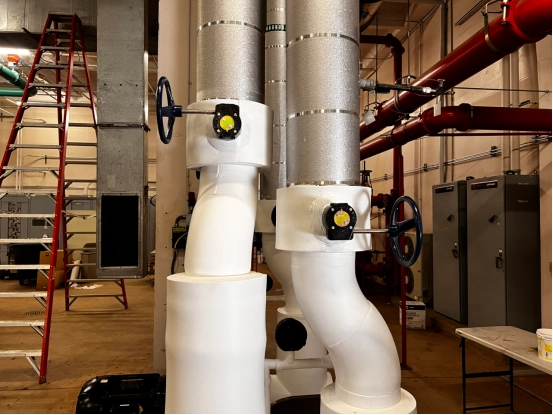
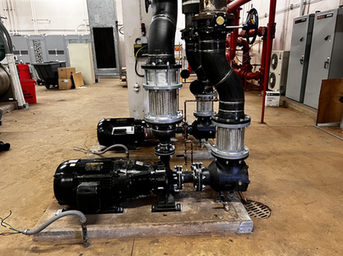
Think about a retrofit job inside a busy chiller room. The main header carries high flow. Yet it leaves very little room between the flanges. A compact wafer butterfly valve can slide right in. A small heat exchanger branch may work better with a ball valve. This happens when its port matches the pipe. The key question is what each spot needs the valve to do.
How Does Butterfly Valve vs. Ball Valve Choice Change in Cooling Water?
Both valves turn a quarter turn. Water still flows through them in different ways. The butterfly disc stays inside the stream. The ball lines its bore up with the pipe. These differences affect flow resistance and space needs. They also affect shutoff quality and actuator size.
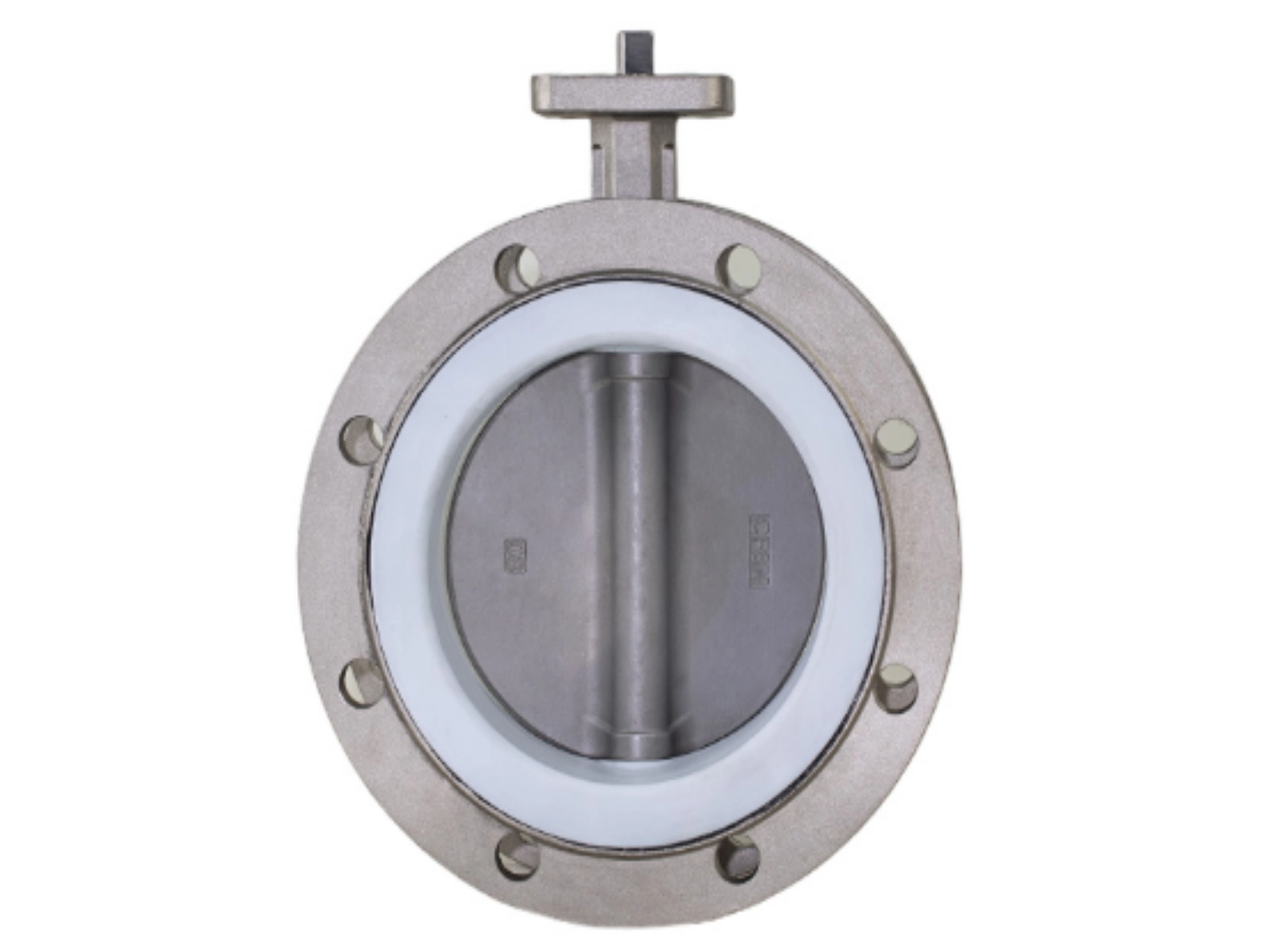
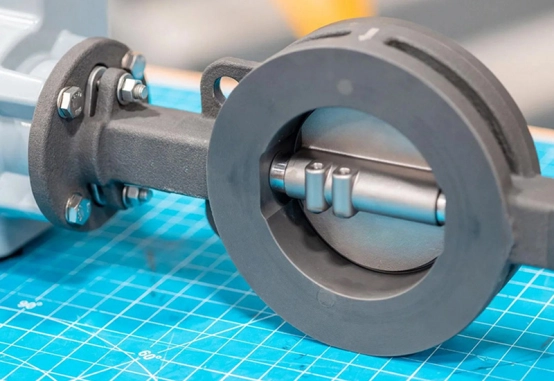
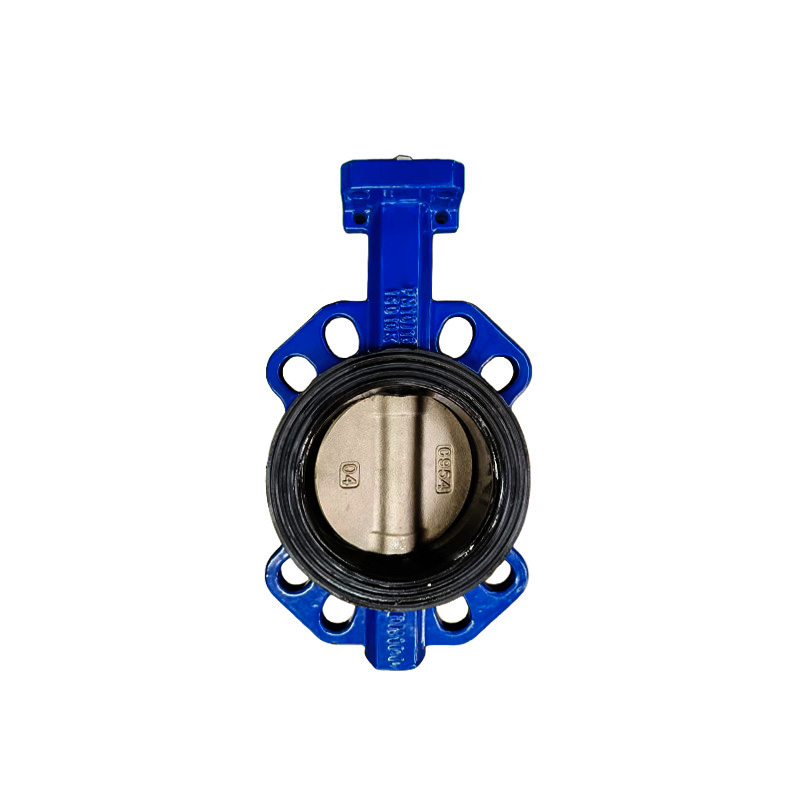
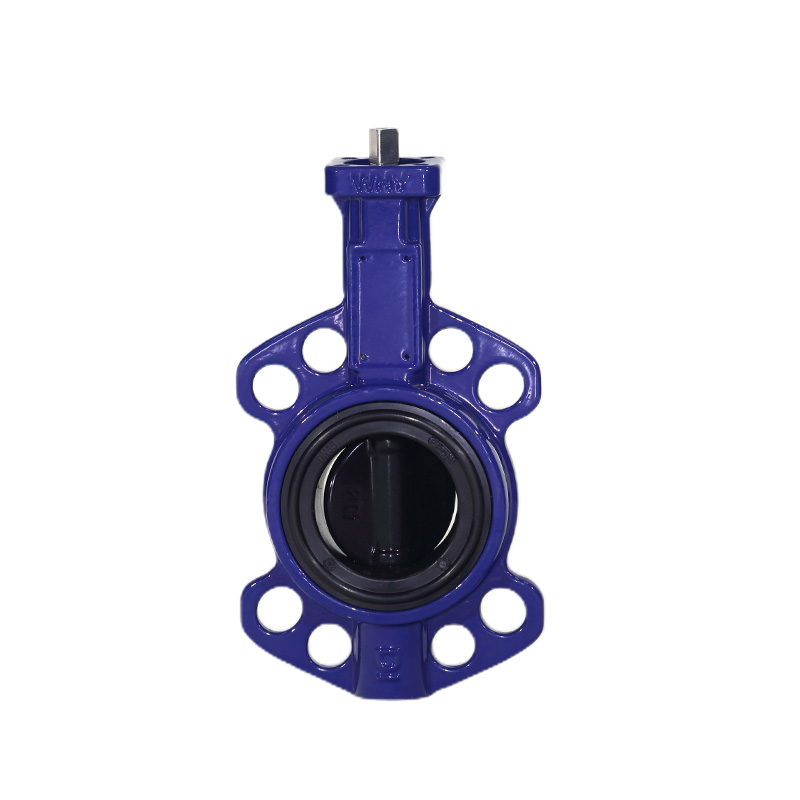
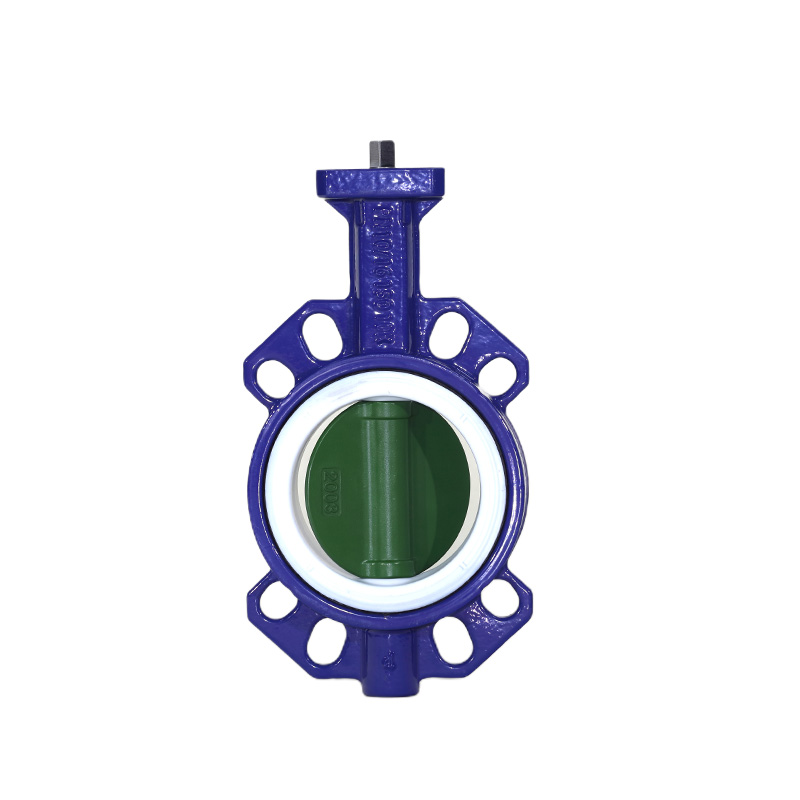
The wafer type soft seated butterfly valve is listed from DN40 to DN1200. Pressure classes include PN6 and PN10. PN16 is also available. Not every size comes in every combination. Match the connection and pressure class to the project. Then select materials for the medium.
Which Flow and Pressure Differences Matter Most?
An open butterfly valve leaves its disc in the water stream. The disc creates some local turbulence. This happens even when the disc sits parallel to the flow. A full port ball valve gives an almost unbroken bore when it opens fully. A reduced port ball valve cannot do this. It narrows the passage. That changes the flow comparison.
“Butterfly valves always cause more pressure loss” is too broad a statement. The real loss depends on valve shape and the operating point. A partly open or badly sized valve can create the biggest drop. A correctly sized full open valve adds only a small part of total system resistance. Check the flow data. Or calculate the complete line at design flow.
For example, an additional pressure drop of 10 kPa at a flow rate of 100 m³/h corresponds to approximately 0.28 kW of hydraulic power. The actual additional pump input power will be higher, depending on pump and motor efficiency. This example illustrates why pressure drop matters in pumping systems that operate for long hours; it does not predict actual energy savings. You get this by multiplying flow by pressure drop. The motor uses even more power after pump losses. This example does not predict any saving. It simply shows why pressure drop matters in a pump system that runs for long hours.
Where Does Each Valve Fit in a Chilled Water Layout?
A common pattern is to use butterfly valves for larger equipment isolation. Ball valves go on compact, smaller bore connections. On a primary header the butterfly body shortens the installed length. It also makes access between flanges easier. A three piece flange ball valve is another option when its published size and pressure range suit the line. That particular product range is DN15 to DN100. So it is not a default choice for large headers.
Smaller branches often need a different approach. A coil connection or instrument takeoff may pack more easily with a threaded end. This is simpler than using a large flanged assembly. ET VALVE’s three piece threaded ball valve lists sizes from DN15 to DN100. Connection choices include NPT and BSPT. A G thread option is also available. The piping standard has to match. Similar nominal size does not make thread forms interchangeable.
What Limits a Butterfly Valve or Ball Valve in This Service?
The butterfly disc still takes up part of the bore when the valve is open. Check that it clears reducers and nearby equipment. It must also stay clear of any flow sensitive instrument. On the discharge side of a pump, follow the piping design. Also follow the pump supplier’s requirements for straight run and measurement points. Do not place the disc where it harms the required arrangement.
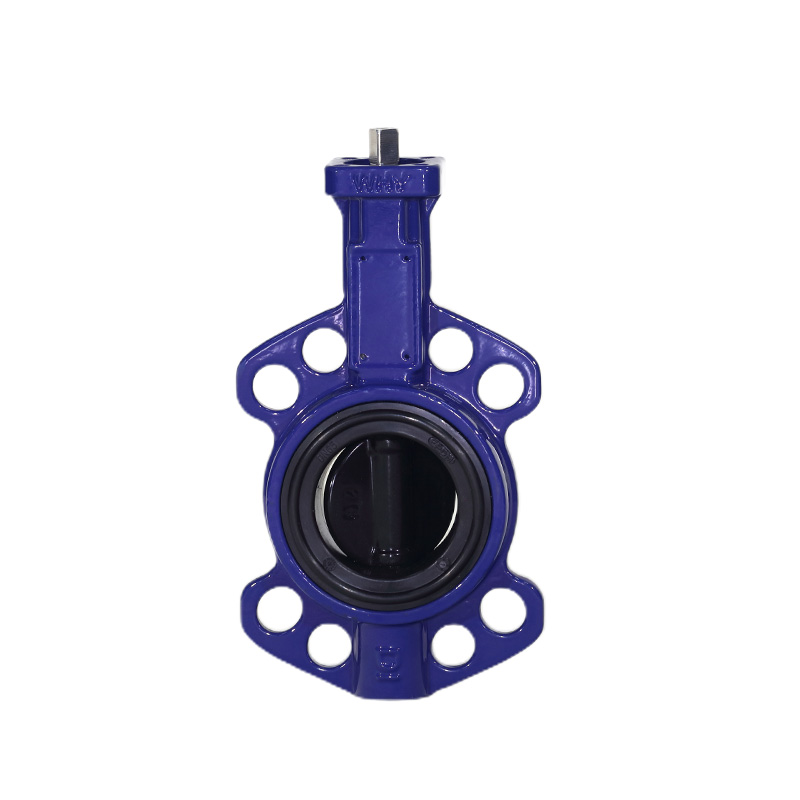
Ball valves have their own limits. A larger valve can need more torque than expected. This is especially true under differential pressure. The actuator must be chosen for actual breakaway and running torque. A reduced port model may also break the idea that the line stays full bore.
Cooling water is not always plain water. Glycol concentration and treatment chemicals affect seat and body material compatibility. Temperature and system pressure affect it too. Available seat materials and pressure options vary by valve configuration. Check the selected combination against service conditions. A broad product range does not approve every fluid or operating point.
Modulation changes the question. A valve good for shutoff may not control steadily near the closed position. Check its flow characteristic and actuator positioning first. Do this before you use it for continuous regulation.
How Should an Engineer Compare Cooling Water Valve Options?
Use the line schedule to settle close calls. Nominal size alone gives weak evidence.
For a remote position, electric actuation can be considered for quarter turn ball and butterfly valves. Confirm the required torque and power supply. Speed affects the package. The control signal and fail response affect it too.
What Should Go on a Cooling Water Valve Schedule?
Start with line size and design flow. Record the pressure envelope plus temperature. Add connection standard and shutoff duty. Include glycol concentration or treatment details when relevant. For modulating service, include the control range and signal. These entries reveal whether the comparison is still open or a particular design already fits the duty.
When a project has a crowded equipment room or an unusual branch arrangement, a piping sketch can help clarify the choice. Discuss the layout with us with those operating details and the required connection standard. The question is easier to resolve when the valve’s job is clear.
FAQ
Are Butterfly Valves Better for Large Cooling Water Lines?
They are often considered for larger isolation points. The body is compact relative to many alternatives. The line calculation and pressure class still matter. Shutoff needs must match. Disc clearance can decide whether a particular model fits.
Can a Ball Valve Throttle Chilled Water?
It can be set between open and closed. That does not make every ball valve a dependable control valve. Check its flow characteristic and actuator resolution. Do this when the system needs repeatable modulation.
Does Glycol Change the Valve Selection?
It can. Concentration and temperature affect fluid properties as well as material compatibility. Check the selected seat and body materials against the specified mixture and its operating temperature.
Does a Full Port Ball Valve Always Have Lower Pressure Loss?
Its open bore can reduce local restriction. Actual loss depends on size and port geometry. Flow rate and opening matter too. Adjacent fittings can change the result. Compare the complete line rather than relying on the valve label alone.
Can One Cooling Water System Use Both Valve Types?
Yes. A large header isolation point and a small equipment branch can have different flow demands. Space and shutoff needs differ too. Choose each valve for its own location instead of applying one type everywhere.
Articles récents
-
 Wafer Vs Lug Vs Flanged Butterfly Valve: Which Connection to Chooseoctobre 23, 2026
-
-
PRODUITS CONNEXES
Sélectionnez le produit qui vous intéresse
Contactez-nous
Contactez-nous à tout moment




ET Valve