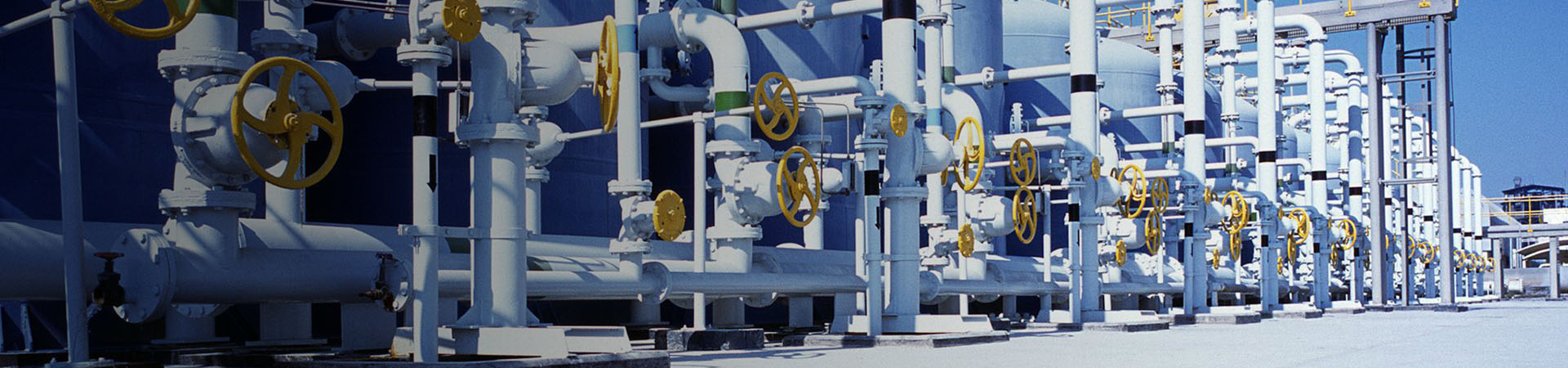
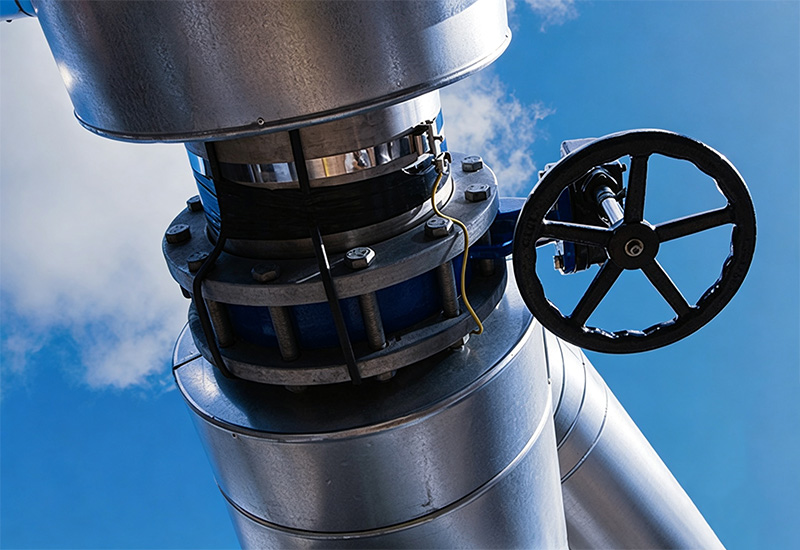
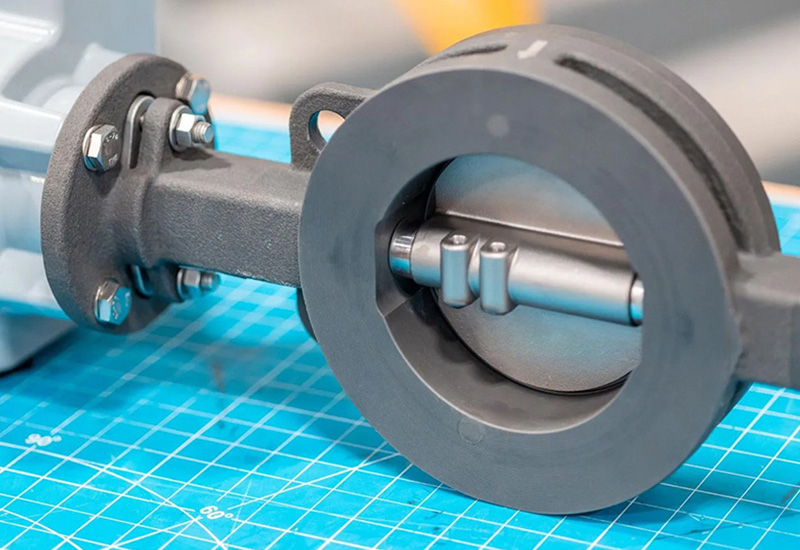
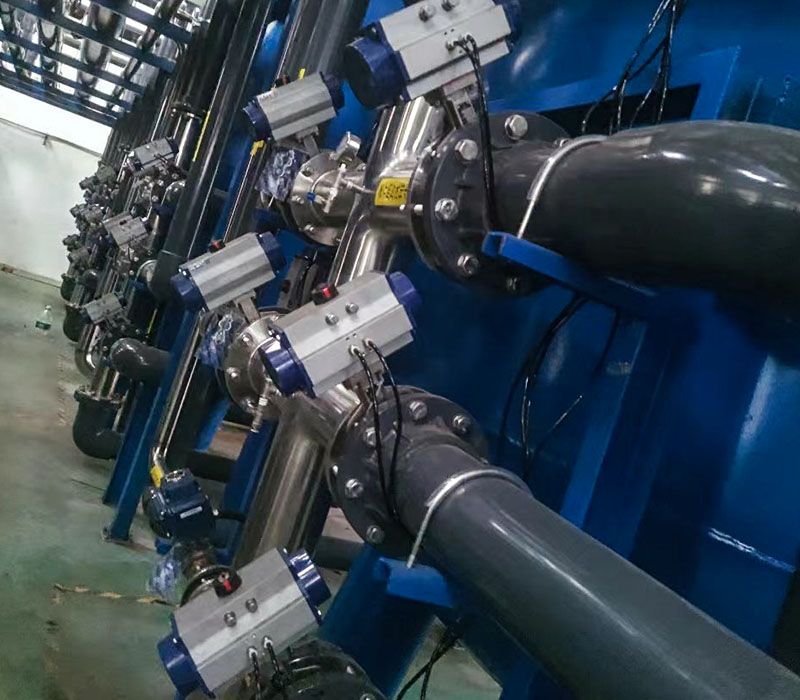
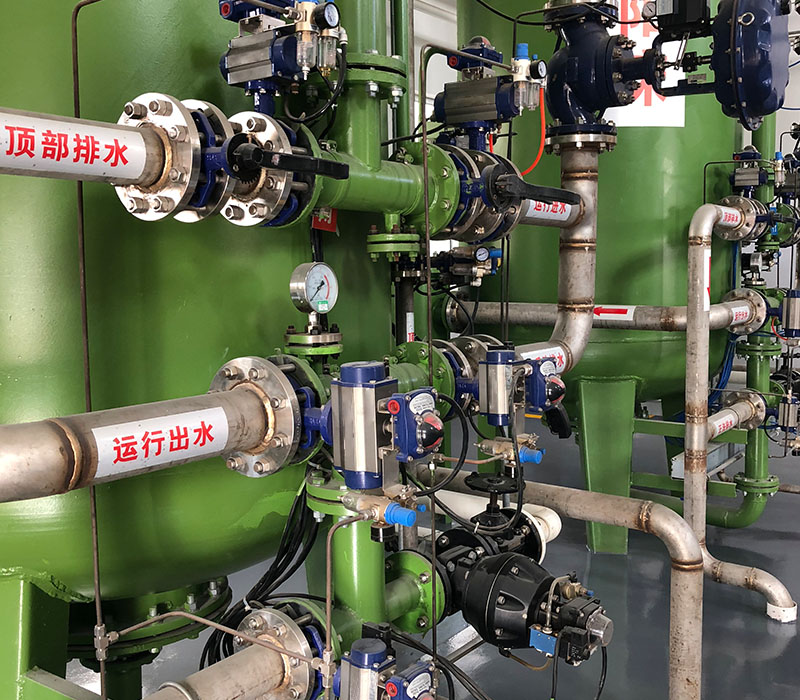
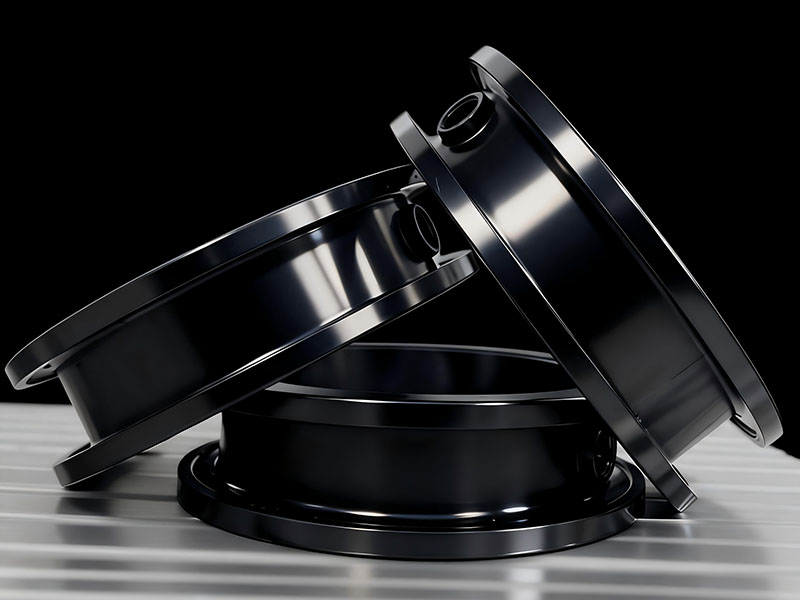
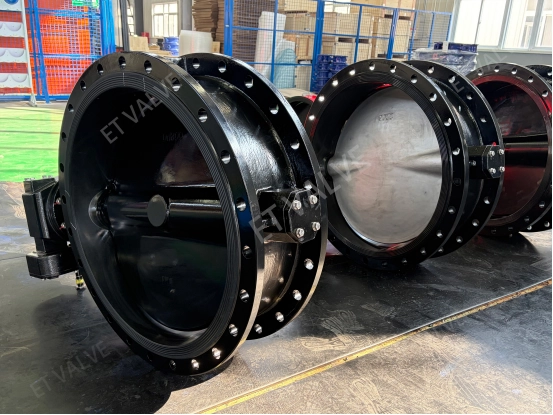
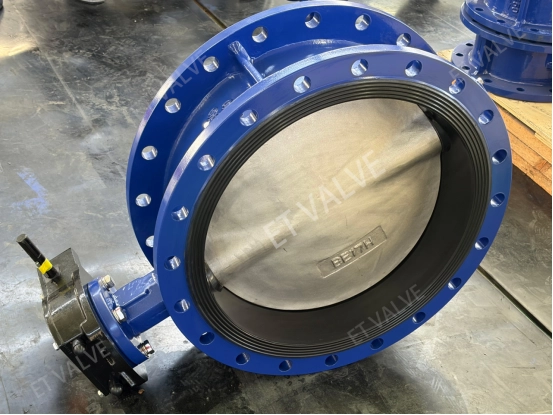
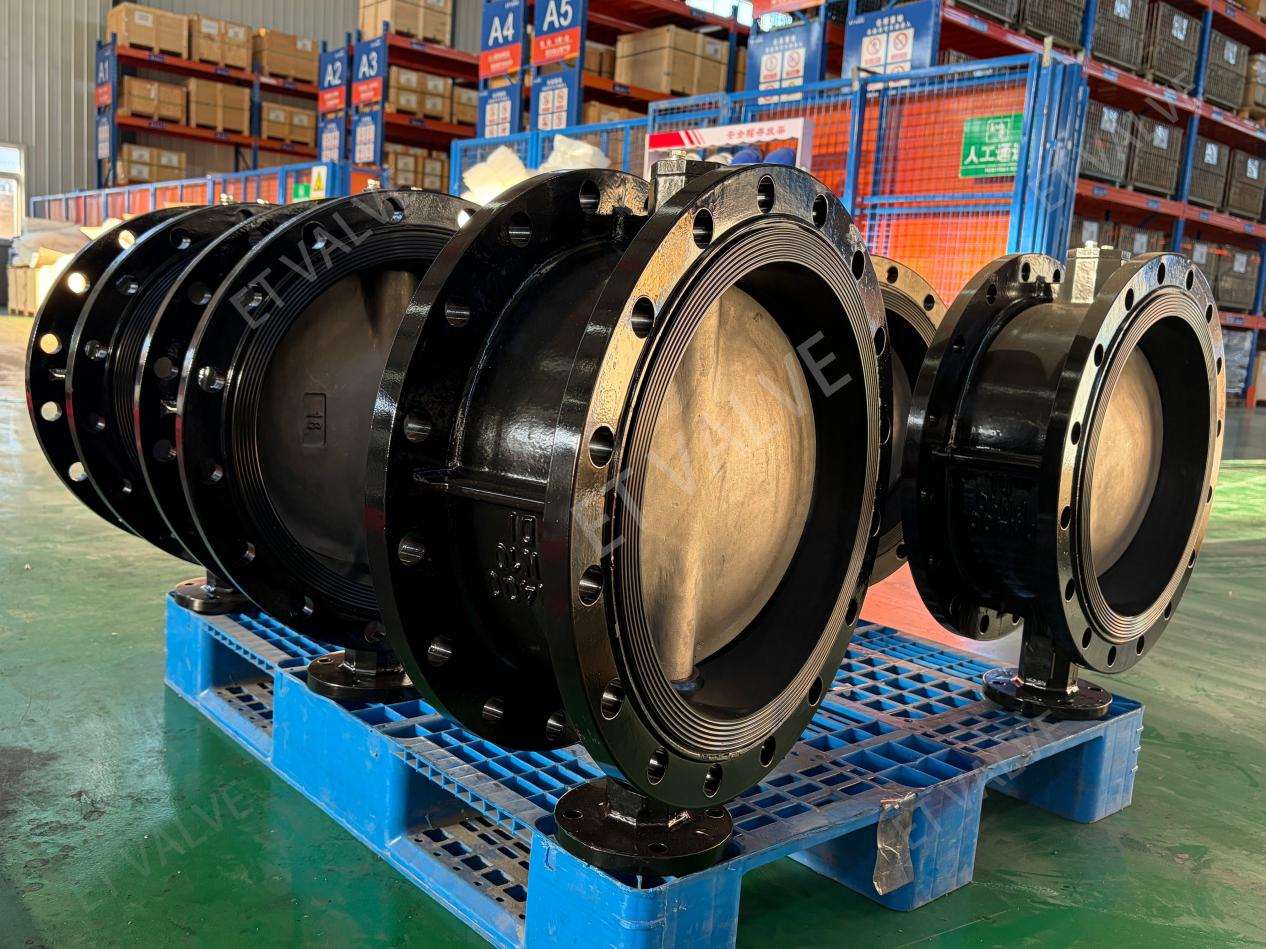
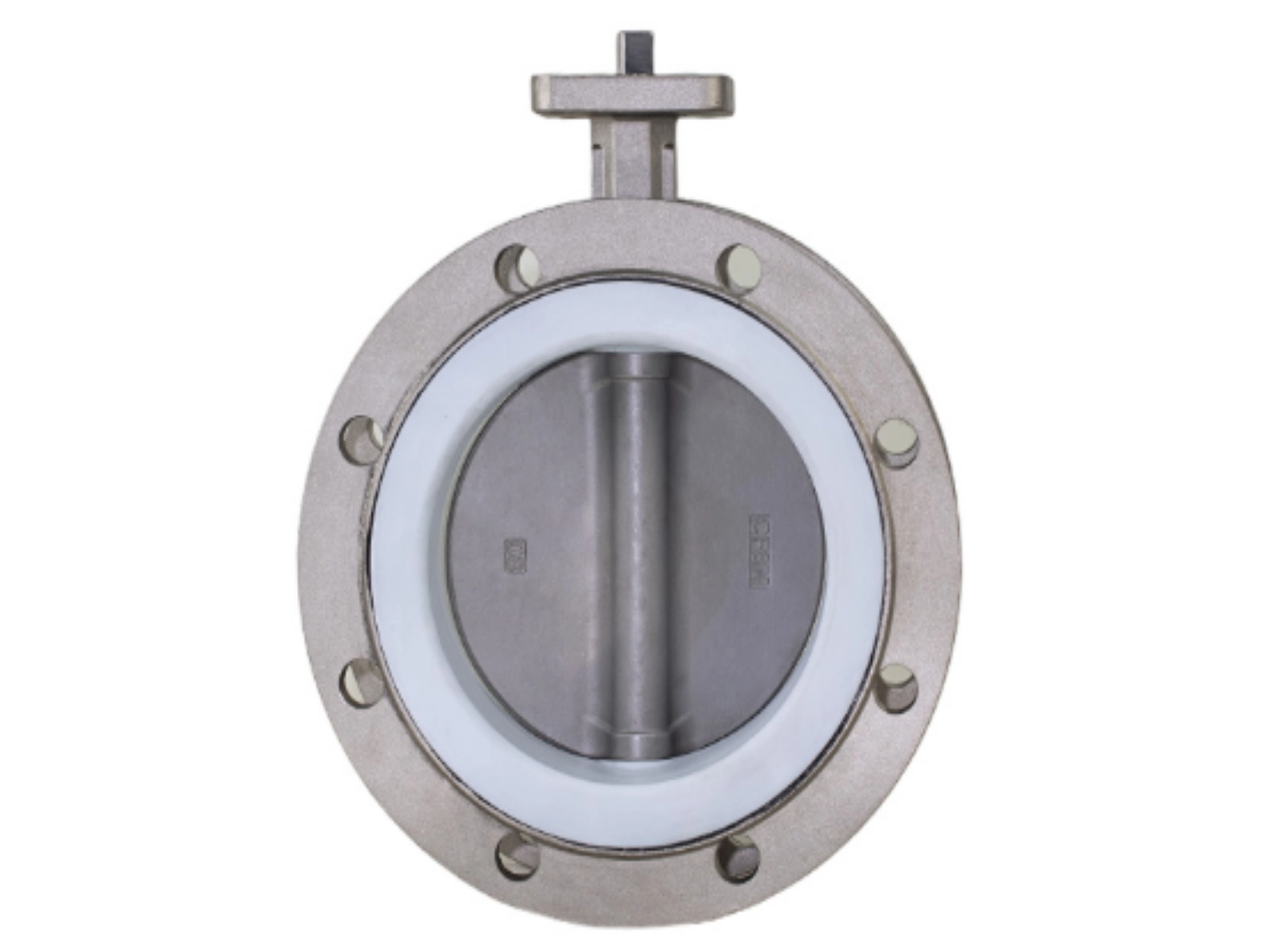
نقدم خدمات تصنيع المعدات الأصلية (OEM) وخدمات التصميم والتصنيع حسب الطلب (ODM)، حيث نقوم بتخصيص معدات التحكم في السوائل المختلفة - مثل صمامات الفراشة وصمامات الفحص وصمامات البوابة - لتلبية متطلبات محددة ومعالجة احتياجات العملاء المتنوعة بمرونة.
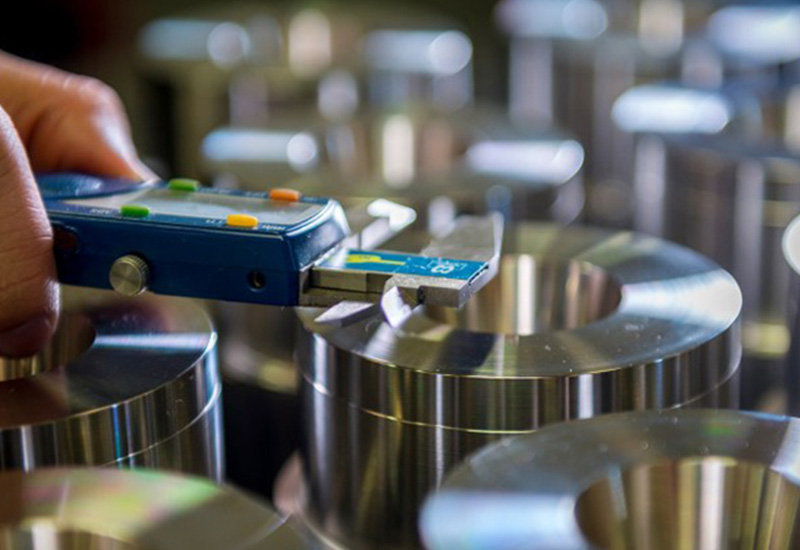
بفضل مختبرات الاختبار الاحترافية ونظام الاختبار متعدد الأبعاد، نقوم بمحاكاة ظروف التشغيل المعقدة لإجراء اختبارات أداء منع التسرب ومقاومة الطقس والمتانة، مع الالتزام الصارم بالمعايير الدولية لضمان جودة المنتج.
بفضل سنوات من الخبرة العميقة في صناعة الصمامات وسجل حافل بخدمة العديد من الشركات المحلية والدولية، نقدم حلولاً موثوقة ومصممة خصيصاً للتحكم في السوائل تتناسب مع ظروف التشغيل المتنوعة.
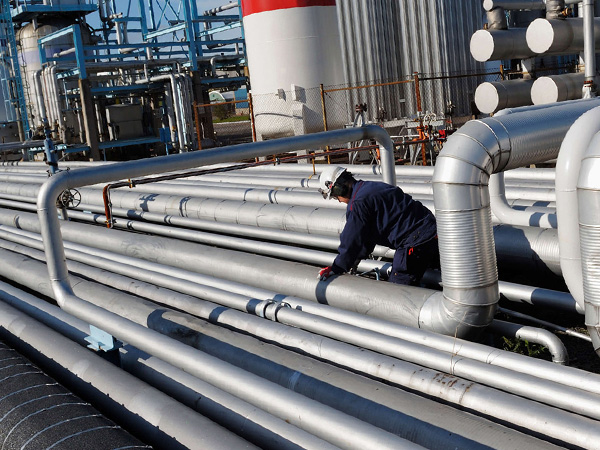
في هذا المشروع الضخم لتوليد الطاقة بالفحم، يُعدّ نظام تدوير المياه شريان الحياة لعمليات التبريد في المحطة. يتضمن النظام أنابيب ذات أقطار هائلة ومعدلات تدفق ضخمة، ويعمل في بيئة تتسم برطوبة عالية وقابلية عالية للتآكل؛ لذا، تتطلب الصمامات موثوقية استثنائية، وأداءً عاليًا في منع التسرب، وقدرة تدفق فائقة. لا تُناسب صمامات البوابة التقليدية هذه الظروف، نظرًا لحجمها الكبير وتكلفتها العالية، فضلًا عن مقاومتها العالية للتدفق واستهلاكها الكبير للطاقة.
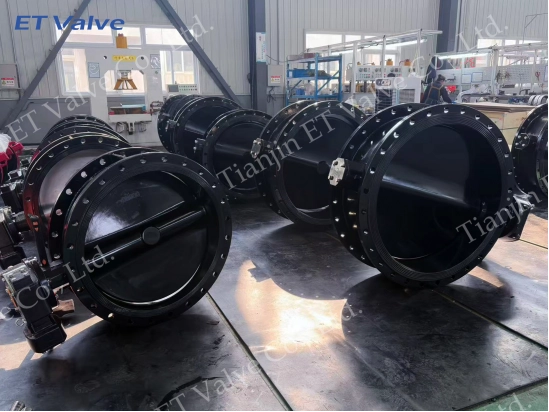
استخدم المشروع دفعات متعددة من صمامات الفراشة الكهربائية ذات القطر الكبير جدًا (DN3200). تتميز هذه الصمامات بتصميمها الذي يقلل مقاومة التدفق، مما يضمن تدفقًا كافيًا للمياه مع خفض استهلاك الطاقة اللازمة للضخ بشكل فعال. تتضمن أجسام الصمامات طبقات متعددة من المعالجة المضادة للتآكل وهياكل معززة، مما يُمكّنها من تحمل بيئة المياه المتداولة عالية الرطوبة والتآكل بسهولة. ولتلبية متطلبات تشغيل محطات الطاقة الحديثة عالية الأتمتة، تم تجهيز كل صمام بمشغل كهربائي دقيق وموثوق يدعم التحكم الذكي عن بُعد والتكامل السلس مع نظام التحكم الموزع (DCS) الخاص بالمحطة، مما يسمح بتنظيم دقيق وفوري لتدفق مياه التبريد.
منذ بدء التشغيل، يعمل نظام تدوير المياه بثبات وكفاءة - دون أي انسداد أو تسرب - مما يضمن تشغيلًا مستمرًا وموثوقًا به بكامل الحمل لوحدات توليد الطاقة، ويحظى بإشادة بالإجماع من مالك المشروع لمنتجاتنا.
تستخدم إحدى مصانع صهر النحاس الكبيرة عملية صهر سريع تصل فيها درجة حرارة غازات الاحتراق الخارجة من فرن الصهر إلى 550 درجة مئوية، وتحتوي على غازات شديدة التآكل، مثل ثاني أكسيد الكبريت. يجب أن تمر هذه الغازات عبر غلاية لاستعادة الحرارة قبل دخولها إلى نظام إنتاج الأحماض؛ لذا، يلزم تركيب صمام فراشة كبير القطر بين غلاية استعادة الحرارة وجهاز الترسيب الكهروستاتيكي للتحكم في تدفق الغاز وعزل النظام. تعاني صمامات البوابة التقليدية من تشوه شديد وبطء في سرعة الإغلاق في ظل هذه الظروف عالية الحرارة والتآكل، مما يجعلها غير قادرة على تلبية متطلبات الإغلاق السريع في حالات الطوارئ.
اختارت الشركة صمام الفراشة DN1800 عالي الحرارة؛ حيث صُنع كل من جسم الصمام وقرصه من الفولاذ المقاوم للصدأ 310S المقاوم للحرارة، مما يتيح تشغيلًا مستقرًا طويل الأمد في درجات حرارة تصل إلى 600 درجة مئوية. يتميز صمامنا بتصميم مقعد مرن يعوض تلقائيًا التمدد الحراري التفاضلي، وعمود صمام بتصميم تبريد مجوف ومكونات متخصصة لتبديد الحرارة، وعناصر مانعة للتسرب مصنوعة من مادة مركبة من الجرافيت قادرة على تحمل درجات حرارة تصل إلى 800 درجة مئوية. عند الحاجة إلى صيانة نظام إنتاج الأحماض، ينتقل صمامنا من وضع الفتح الكامل إلى وضع الإغلاق الكامل في 12 ثانية فقط - أسرع بكثير من 30 ثانية أو أكثر التي تتطلبها المنتجات المماثلة - مما يمنع بشكل فعال خطر تسرب غازات الاحتراق.
لقد عمل الصمام بشكل مستمر ومستقر في المنشأة لمدة خمس سنوات، ولم يتطلب سوى جلستين للصيانة الروتينية خلال تلك الفترة؛ لقد أصبح مكونًا أساسيًا لنظام معالجة غازات المداخن ذات درجة الحرارة العالية في المؤسسة، مما يدل بشكل كامل على موثوقية منتجاتنا في ظل ظروف التشغيل القاسية.
في محطة معالجة مياه الصرف الصحي البلدية، كانت صمامات البوابة الأصلية المستخدمة في عمليات تكثيف الحمأة وتجفيفها ضخمة الحجم، وتتطلب عزم دوران تشغيل عالٍ، وتتميز بأداء إحكام ضعيف، مما أدى إلى ارتفاع استهلاك الطاقة وكثرة الصيانة. وقد شكّل هذا مشكلةً خاصةً في خطوط ضخ الحمأة، حيث زادت مقاومة التدفق العالية لصمامات البوابة من استهلاك طاقة الضخ. علاوةً على ذلك، عانت حشوات منع التسرب من تآكل شديد نتيجةً للوسط المحمّل بالجسيمات، مما أدى إلى معدل تسرب بلغ 0.3%؛ لم يُؤدِّ هذا إلى خلق بيئة عمل سيئة في الموقع فحسب، بل رفع أيضًا تكاليف معالجة الحمأة.
قرر المصنع استبدال صمامات البوابة التقليدية بصمامات الفراشة من إنتاج شركتنا، والتي تتميز بهياكل من الفولاذ المقاوم للصدأ 304 وأختام من مادة EPDM المقاومة للتآكل. صمامات الفراشة لدينا صغيرة الحجم وخفيفة الوزن، ولا تتطلب سوى دوران 90 درجة لفتحها أو إغلاقها، مما يجعل تشغيلها سريعًا وسهلاً. في مرحلة معالجة الحمأة، تقوم صمامات الفراشة الكهربائية لدينا بضبط أحجام ضخ الحمأة تلقائيًا بناءً على متطلبات العملية، مما يحسن كفاءة التكثيف والتجفيف؛ أما في أنابيب مدخل ومخرج خزانات المعالجة البيوكيميائية، فإنها تتحكم بدقة في معدلات التدفق لتلبية احتياجات مراحل المعالجة المختلفة.
بعد التحديث، حقق المصنع انخفاضًا بنسبة 23٪ في استهلاك الطاقة، وخفض معدل التسرب من 0.3٪ إلى 0.01٪، وخفض تكاليف الصيانة السنوية بنسبة 60٪، وزاد كفاءة تجفيف الحمأة بنسبة 25٪، مع تحسين بيئة العمل في الموقع بشكل كبير أيضًا.
صمامات دقيقة عالية الجودة - خدمات التخصيص من مصنعي المعدات الأصلية/مصممي المعدات الأصلية متوفرة.
تُركز شركة تيانجين إي تي فالف المحدودة، التي تأسست عام 2022، على البحث والتطوير وتصنيع صمامات الفراشة ذات المقعد المرن المركزي، مُقدمةً حلولاً عالية الأداء للتحكم في السوائل لقطاعات الصناعات الكيميائية، وحماية البيئة، وتصنيع الأغذية، ومناولة المساحيق. نُحسّن تصميمات منتجاتنا، ونعتمد هياكل إحكام مبتكرة ومواد خاصة لحل مشاكل انحشار الصمامات وتآكلها في ظروف التشغيل اللاصقة والمُسببة للتآكل، مما يُحسّن موثوقيتها وعمرها الافتراضي. وبفضل مختبرنا المُتخصص، وأنظمة الاختبار الشاملة، وفريق البحث والتطوير التقني المُتميز، نلتزم بالمعايير الدولية، ونستخدم التصميم الرقمي والتصنيع الذكي لضمان رقابة صارمة على الجودة. وبصفتنا شركة رائدة في مجال الابتكار، نُقدم خدمات مُخصصة ومرنة، وقد وفرنا حلولاً مُصممة خصيصاً لعملائنا في جميع أنحاء العالم، مُساهمين باستمرار في تعزيز التقدم التكنولوجي وخلق قيمة مُضافة لقطاع الصمامات الصناعية.
Compare soft-back, hard-back, and vulcanized butterfly valve seats by support, replaceability, fluid compatibility, and maintenance needs before ordering.
Before you put a spare seat on the purchase order, check whether the old one actually comes out. That’s the maintenance question behind hard-backed vs. vulcanized butterfly valve seats. It can easily get lost when a quotation just says “rubber seated.”
With ET VALVE’s hard-backed option, you can replace the seat. Choose vulcanized construction and the rubber is bonded to the body instead. We offer both. Which we’d recommend depends partly on your repair plan, but also on the flange joint you have to assemble.
What Is a Butterfly Valve Seat, and Why Does Its Design Matter?
Look inside the bore: the disc closes against the seat to shut off flow. That seat sits between the disc and the body. Follow it out to the ends of these valves and you’ll find another job for it: sealing against the pipe flanges.
Its shape therefore matters during installation as well as maintenance. A seat may fit inside the body yet still need a particular flange arrangement outside it.
Keep construction and material separate when ordering. “Hard-backed” describes how the seat is supported. “EPDM” identifies a material. You need both pieces of information.
What Is a Hard-Backed Butterfly Valve Seat?
Construction and Design
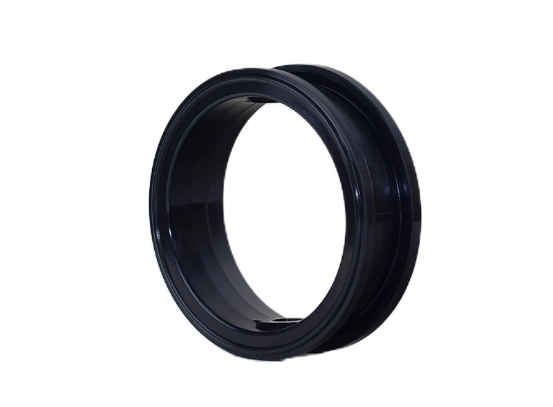
A hard-backed butterfly valve seat has a supporting frame, sometimes called a skeleton. It fits into the valve body through a circular mating arrangement and can be removed for replacement.
In our hard-backed wafer butterfly valve, you’ll also find a flared entrance running from the seat’s end face toward its sealing band. We use that shape to limit disc rubbing during opening and closing. “Hard” refers to the backing here; the sealing contact remains resilient.
Compatible Valve Configurations and Sealing Features
Hard-backed seats are available in wafer bodies and lug butterfly valves. Our U-type flanged configuration also uses them.
The wafer design has three O-ring features at the flange sealing faces. Contact width is relatively narrow. This is where the weld-neck (WN) flange requirement needs attention. Get the joint drawing checked while you’re buying the valve, before the installation crew is left trying to match it to an existing flange.
What Is a Vulcanized Butterfly Valve Seat?
Construction and Installation
A vulcanized butterfly valve seat attaches directly to the body. It isn’t a loose insert waiting to be pulled out during servicing. For the designs compared here, separate seat replacement is not available.
You’ll find bonded seats in our wafer range and in double-flanged butterfly valves. Allow for that construction when planning spares. Buying a replacement rubber ring won’t provide the same maintenance route as it would for a removable seat.
Sealing Design
Multiple O-ring features form the flange seal. The seat’s outer diameter extends toward the raised-face (RF) area to provide sealing contact.
There is a detail worth checking on the drawing: in the double-flanged design, that extension must remain within the RF diameter. Wafer geometry differs. Use the facing dimensions for the valve you’re buying. An old drawing from a different body style could send you in the wrong direction.
Hard-Backed vs. Vulcanized Butterfly Valve Seats: Key Differences
Put the repair requirement beside the piping drawing when comparing quotations. The differences below affect both, even where the valve sizes are identical.
Comparison Factor
Hard-Backed Seat
Vulcanized Seat
Construction
Supporting frame inside the seat
Seat bonded directly to the body
Seat replacement
Removable and replaceable
No separate seat removal or replacement
ET VALVE body configurations
Wafer, lug and U-type flanged
Wafer, lug and double-flanged
Wafer seat O-rings
Three in this design
Multiple in this design
Flange sealing interface
Narrower contact width; check flange selection
Seat extends toward the RF area
Maintenance planning
Plan for a replacement seat
Plan around the integrated seat and body
Key selection factor
Replaceability and body compatibility
Integrated construction and body compatibility
For a plant that keeps seat kits in stores, removability has a clear practical attraction. It gives the maintenance team a component they can replace. It doesn’t establish how long the seat will last.
A bonded seat changes that repair plan. Neither construction removes the need to check chemical compatibility or the valve’s pressure limits. We’d settle those points before comparing purchase prices.
How to Choose the Right Butterfly Valve Seat for Your Application
1. Consider Maintenance and Replacement Requirements
Does the workshop normally change seats during an overhaul? Write “replaceable butterfly valve seat” into the enquiry. For a bonded design, ask us what you should hold as a spare. Don’t leave that decision until the line is drained.
2. Match the Valve Body Configuration
Read the connection requirement on the piping drawing. A project specifying U-type flanged butterfly valves leads to a hard-backed option in this range. A wafer body leaves both seat constructions open for consideration.
3. Verify Pipeline Flange Compatibility
Take the O-ring positions from the seat drawing and compare them with the flange bore and facing. On the hard-backed wafer version, there’s less contact width to work with. You need the sealing features to land on the intended surface all around the joint.
4. Evaluate Operating Conditions
Give us the fluid and required valve size. Add operating pressure and the temperature range, including cleaning conditions. Confirm the complete configuration before releasing the order; the seat name alone is too little to buy against.
Seat Materials and Operating Conditions
Use this table to shortlist materials. Confirm compatibility for the exact fluid, compound grade and complete valve conditions before ordering.
Seat material
Suitable media / strengths
Avoid / limitations
Temperature range
EPDM
Water, seawater and brine; air; abrasives; phosphate salts; esters; ketones; alkalis; food media; liquids and solids; dilute inorganic acids.
Hydrocarbons, oils, fats and dry air. Air is listed as suitable, but dry air is excluded; verify air service.
-40 to 110°C
HEPDM
Same listed media as EPDM, plus low-pressure saturated steam.
Same listed exclusions as EPDM: hydrocarbons, oils, fats and dry air.
110 to 150°C
NBR
Oils and petroleum; hydrocarbons with less than 40% aromatics; natural gas; air; water, seawater and brine; alcohols; ethylene glycol.
Solvents, benzene and xylene.
-20 to 100°C
FKM (Viton)
High-concentration aromatics; mineral acids; halogenated acids; phosphoric acid; aliphatic acids; aromatic acids.
Ketones, amines, esters and alkalis.
-20 to 200°C
PTFE
Corrosive liquids and solvents.
Fluorine (as listed; confirm the exact chemical form and seat specification).
5 to 150°C
PU
Slurries, powders, granules and other particle-bearing abrasive media.
Strong acids and strong alkalis.
-20 to 80°C
Confirm the grade, construction and exact chemical with ET VALVE.
How the Materials Differ
EPDM / HEPDM. Water service; HEPDM also suits low-pressure saturated steam. Both exclude oils and hydrocarbons.
NBR. Oil and petroleum service.
FKM (Viton). Many aromatics and acids; avoid ketones, amines, esters and alkalis.
PTFE-lined HEPDM. Corrosive liquids and solvents.
PU(Polyurethane). Abrasive solids. Hard-backed and vulcanized describe construction, not material.
How to Choose by Service Conditions
Match the process fluid.
Check the full operating envelope.
Account for wear.
Confirm the complete valve.
Select by fluid and concentration, temperature (including cleaning and steam), pressure/vacuum, and solids or abrasion. Confirm the exact compound, body compatibility and complete valve limits with ET VALVE.
Conclusion: Choose the Seat Design That Fits Your Requirements
Have the maintenance requirement ready when you send ET VALVE the valve size and connection drawing. Include operating conditions so we can check the material choice and flange joint with you. For OEM/ODM valve requirements, bring any custom dimensions into that discussion before the order is placed.
Frequently Asked Questions
Can a Hard-Backed Butterfly Valve Seat Be Replaced?
Yes. The seat is removable. Order the replacement for the exact model and confirm the maintenance procedure. Matching the nominal diameter by itself doesn’t establish that another seat will fit the body.
Can a Vulcanized Butterfly Valve Seat Be Replaced Separately?
Not in the ET VALVE designs covered here. You can’t pull this seat out and fit a spare ring because it’s bonded to the body. Include that restriction in the maintenance plan and agree the replacement arrangement with us.
Which Is Better: Hard-Backed or Vulcanized?
For a job requiring separate seat replacement, we’d favor hard-backed construction. Where a bonded seat suits the specified body and maintenance plan, consider vulcanized construction. We wouldn’t choose between them on a service-life promise without relevant test data.
Wafer Vs Lug Vs Flanged Butterfly Valve: Which Connection to Choose
For a cooling line that will stay assembled, we’d normally start with wafer. It’s compact and usually the least expensive of the three comparable builds. If one side has to come apart independently, we’d look at lug instead, provided the valve uses a hard-backed or vulcanized seat design and is rated for the required dead-end duty. Where the piping specification requires full flange joints, check a double-flanged body against the space available.
The maintenance plan deserves a look before you order. Will somebody remove the downstream pipe with pressure still on the other side? That changes the duty you need to specify.
What Changes Between Wafer, Lug and Flanged Connections?
The names can be confusing because even a wafer valve sits between pipe flanges. Look at where the bolts finish. That tells you more than the outline of the casting. By “flanged” here, we mean the double-flanged version.
Connection
How It Is Fastened
What That Means on Site
Wafer
Bolts run past the body between the pipe flanges
Both flanges participate in holding the valve in place
Lug
Shorter bolts screw into the body’s threaded lugs from either side
You can undo one side and leave the other set of bolts alone
Double flanged
The body has its own flange at each end
Allow room to assemble and reach two separate flange joints
Quick Guide to Butterfly Valve Connections
Select by maintenance access, available space and piping requirements.
Connection
How it joins
Best fit and checks
Wafer
Bolts pass through the valve body and both pipe flanges.
Suitable for situations where downstream disassembly is not required and space is limited. Use long bolts; check bolt hole positions and protect the valve seat.
Lug
Short bolts thread into lugs on the valve body.
Use when downstream equipment must be removed while the valve stays upstream. For dead-end service, verify a hard-backed or vulcanized seat and the pressure, temperature and direction ratings.
Double-flanged
The valve body has a flange at each end.
Use for existing or specified full-flange joints. Match the standard, drilling and face-to-face length; allow bolt access and verify pipe support.
Connection type alone does not establish pressure rating or flow loss. Check the seat, materials and bore against the duty; for larger bores, verify pressure thrust and pipe supports. Follow site isolation procedures before dismantling; a closed disc alone is not positive isolation.
What Must Match Before You Order a Butterfly Valve?
“DN100, PN16” still leaves unanswered questions. We’d want the following settled on the drawing before releasing an order:
Flange standard and drilling.Copy the full designation from the piping specification. Don’t accept “Class 150 is close enough to PN16.” Compare the actual bolt circle and holes, along with the facing.
Installed length and disc clearance.A body that fits isn’t the whole story. Can the disc open without hitting anything? A thick pipe liner may leave less room than you expected from the nominal diameter.
A tight-feeling bolt can mislead you. If it has bottomed in a lug’s tapped hole, it may not be clamping the flange at all. Specify length and thread engagement for the joint you’re assembling.
Flange sealing arrangement.Does the seat itself seal against the pipe flange? If so, don’t add a gasket just because there’s one in the stores. Use the supplied joint detail.
Operating duty.Check pressure and temperature together. Include surge conditions and identify any dead-end requirement separately from normal inline service.
Leave enough working room for protecting the wafer valve seat during installation, too. You don’t want the crew dragging the rubber across a flange edge because the gap is awkward to reach.
Now compare the cost of the complete job. Include any pipe alterations in that figure. We’d rather check a dimensioned drawing at quotation stage than discover a mismatch beside a drained line.
Which Connection Should Go on Your Valve Order?
On your drawing, mark the section that comes out during maintenance. You can send us the piping drawing with the flange designation and available gap. Add the fluid and design pressure, with the operating temperature range. Mention any wall or support that restricts bolt access.
That gives us a useful basis for checking the connection before a valve reaches the installation crew.
FAQ
Can a Lug Valve Replace a Wafer Valve Directly?
It may fit, but don’t buy it from the diameter alone. Compare the two drawings. You’ll be changing the fasteners, and you still need the right face-to-face length and room to reach the operator.
Do Holes in a Wafer Body Make It a Lug Valve?
No. A wafer body may have locating holes that help center it between flanges. Look for the specified threaded lugs and separate fasteners on the drawing. Counted holes alone can be misleading.
Do All Three Connections Need Flange Gaskets?
No. A resilient seat that extends over the body faces may provide the seal. Other designs require separate gaskets. Follow the exact valve’s joint detail instead of ordering gaskets from the connection name.
Can All Three Types Seal in Both Directions?
They can be built for bidirectional shutoff, but verify the offered design. Connection type doesn’t establish sealing direction. Check the seat rating at the required differential pressure, particularly if the line can reverse flow.