

- Home
- Blog
- Industry News
- Understanding the Soft Seal Butterfly Valve
Understanding the Soft Seal Butterfly Valve
-
 ET Valve
 - July 7, 2026
When it comes to controlling flow in various industrial applications, the soft seal butterfly valve stands out as a reliable choice. With its unique design, this valve type allows for efficient regulation of liquid and gas flow. But hold on! Before you dive into using one, there are several important considerations to keep in mind.
The Basics: What Is a Soft Seal Butterfly Valve?
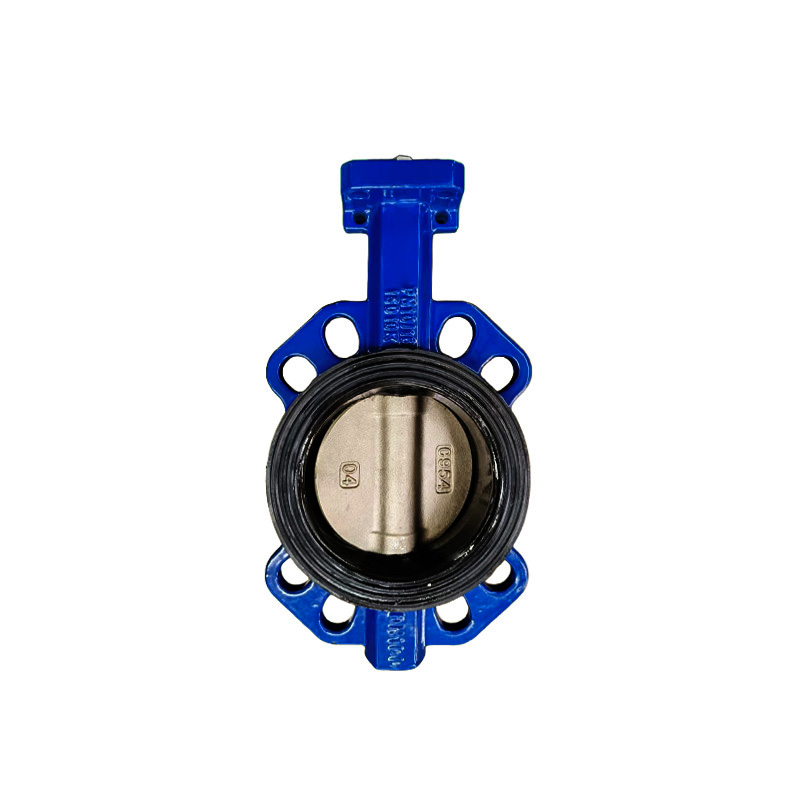
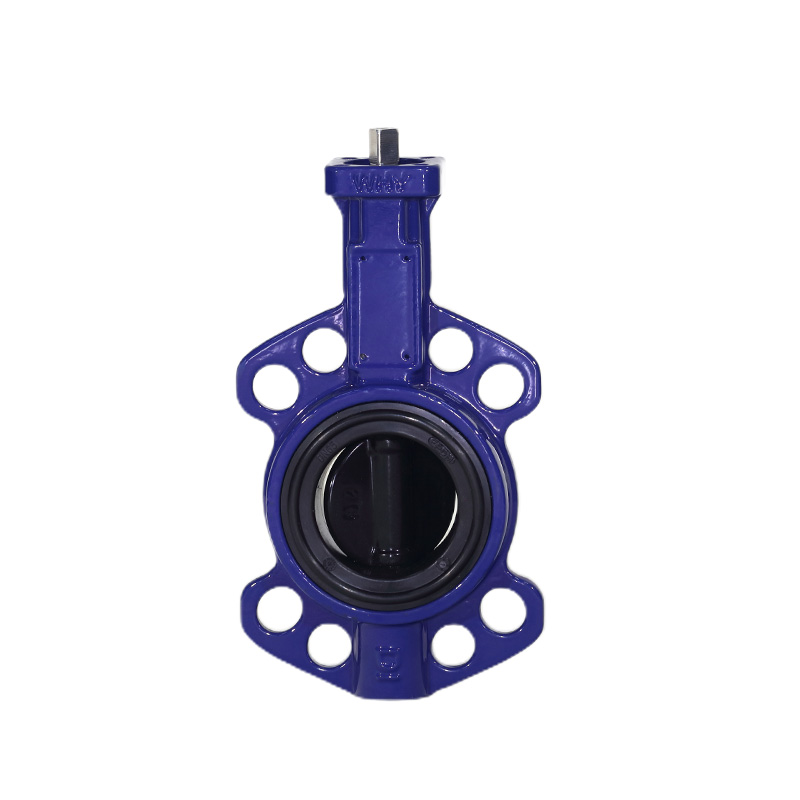
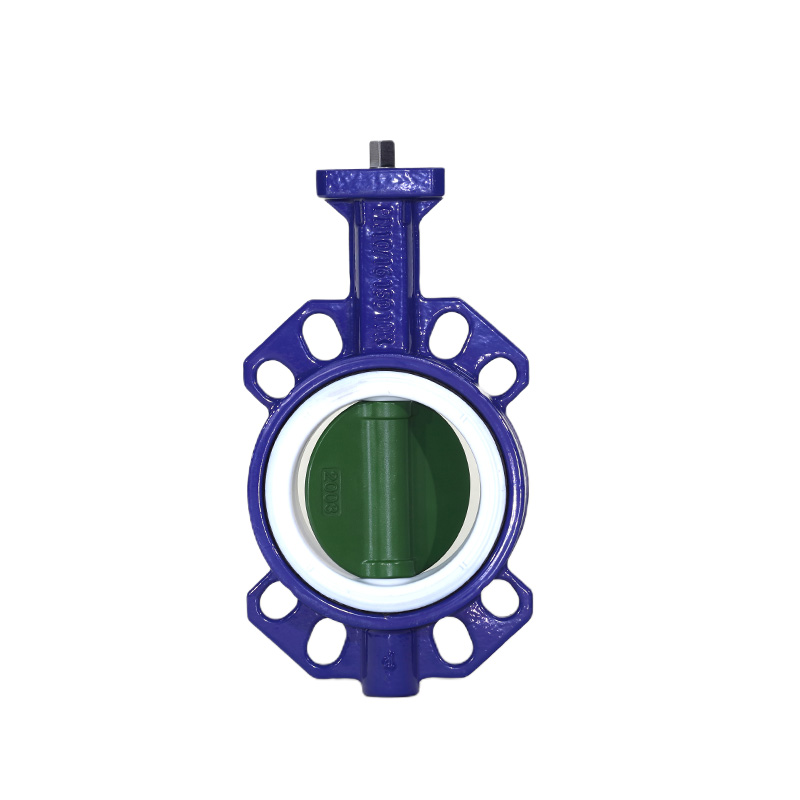
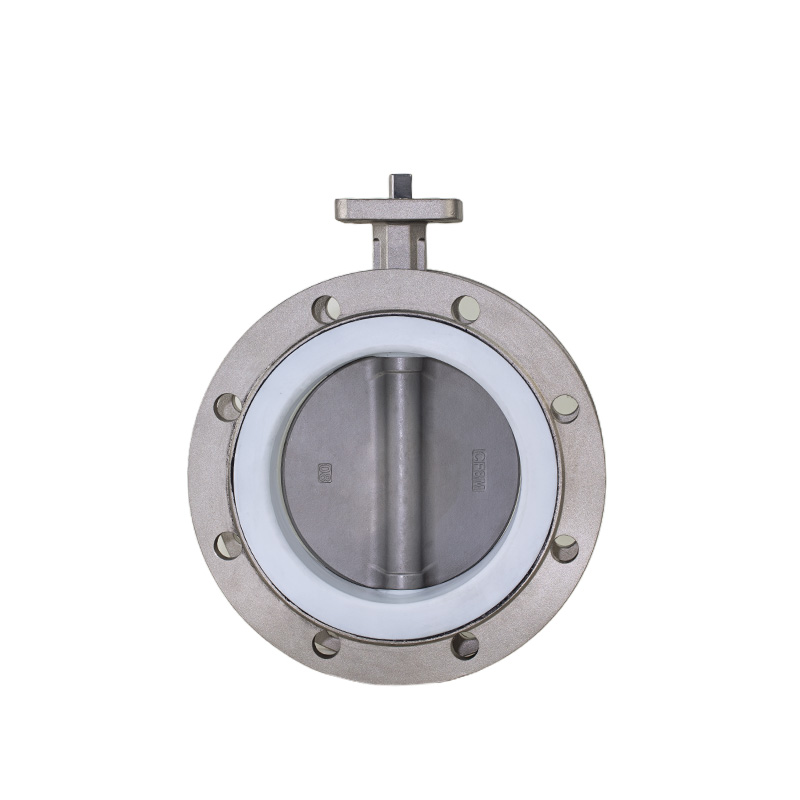
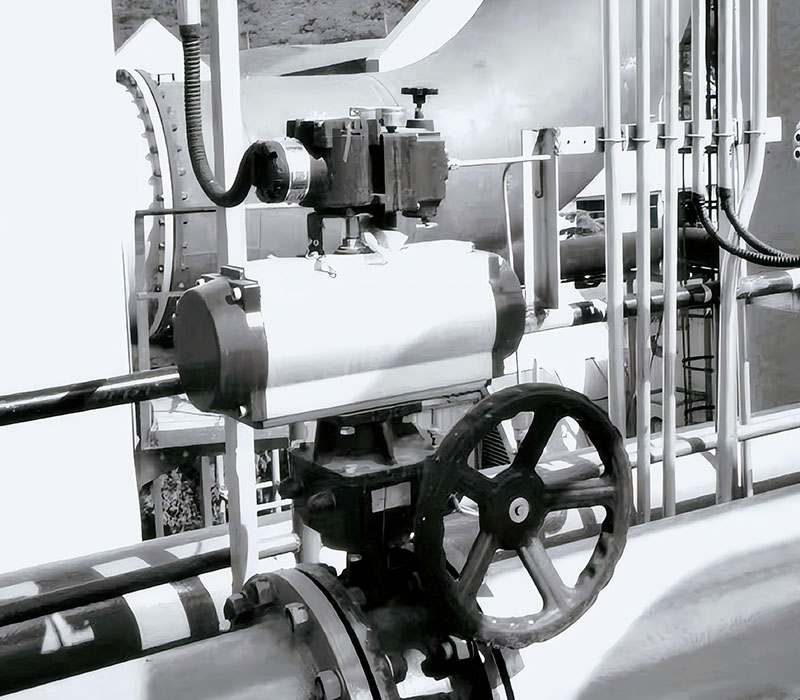
In the simplest terms, a soft seal butterfly valve is a quarter-turn valve that utilizes a circular disc to control flow. Unlike traditional valves, the disc is positioned in the center of the pipe, and turning the handle rotates the disc, either allowing or obstructing flow. The ‘soft seal’ refers to the sealing mechanism, which typically consists of rubber or other elastic materials, ensuring a tight seal when closed.
Why Choose a Soft Seal Butterfly Valve?
Well, for starters, they are compact and lightweight, making installation a breeze. Plus, their design allows for quick opening and closing, which is essential in many applications. But here’s the kicker: they offer excellent flow control and low pressure drop, which can save you a few bucks on energy costs in the long run. Sounds good, right?
Considerations Before Installation
Now, before you rush to install a soft seal butterfly valve, take a moment to consider the following:
Operating Conditions: What’s the pressure and temperature of the fluid? Ensure that the valve you choose can handle the specific conditions of your application.
Material Compatibility: The materials in the valve must be compatible with the fluid being controlled to prevent corrosion or degradation over time.
Installation Orientation: Butterfly valves can be installed in various orientations, but the best practice is to follow manufacturer guidelines to ensure optimal performance.
Maintenance Matters
Hey, don’t forget about maintenance! A soft seal butterfly valve is generally low-maintenance, but regular checks can prevent unnecessary headaches. Here are a few tips:
Inspect Seals: Regularly check the seals for wear and tear. A worn seal can lead to leaks, which can be a real nuisance!
Clean Regularly: Debris buildup can affect the valve’s performance, so keep it clean to ensure smooth operation.
Check for Proper Operation: Periodically test the valve to make sure it opens and closes smoothly without any hitches.
Common Pitfalls to Avoid
Let’s be real; no one wants to deal with problems down the line. Here are some common pitfalls to steer clear of:
Over-torquing: Applying too much torque can damage the valve. Just give it a snug fit and you’ll be golden!
Neglecting the Environment: If your valve is exposed to harsh environmental conditions, consider protective measures to prolong its lifespan.
Ignoring Manufacturer Guidelines: Always read the installation and operation manual. Those guidelines are there for a reason!
Conclusion
In a nutshell, the soft seal butterfly valve is an excellent choice for various applications—if you keep these considerations in mind. Whether you’re working on a small-scale project or a massive industrial operation, understanding the nuances of this valve type can make all the difference. So, roll up your sleeves, do your homework, and you’ll be well on your way to successful valve operation. Cheers!
Recent Posts
-
 Ride the Wind and Waves, Forge Ahead.July 7, 2026
 -
-
 Understanding the Butterfly ValveJuly 7, 2026
RELATED PRODUCTS
Select the product you are interested in
Contact Us
Contact us anytime




ET Valve