


- Главная
- Блог
- Новости отрасли
- Soft-Back vs. Hard-Back Butterfly Valve Seats: Structural Differences Explained
Soft-Back vs. Hard-Back Butterfly Valve Seats: Structural Differences Explained
-
 ET Valve
- Ноябрь 19, 2026
Both soft-back and hard-back butterfly valve seats have two functions in wafer designs: to seal against the disc to prevent any leakage of the medium when the valve is in the closed position and to seal against the pipe flanges.
When referring to a soft-back butterfly valve seat and a hard-back butterfly valve seat, both utilize a resilient sealing surface. So, support of the seating surface is crucial and this is typically a factor when purchasing butterfly valve seats to complement piping and maintenance practices.
What Does "Back" Mean in a Butterfly Valve Seat?
The term ‘resilient seated’ indicates that the disc is seated against a flexible (resilient) material. This contrasts with metal-seated valves. Looking at butterfly valve seat structure, the Soft-Back seat is coreless and has a tongue-and-groove style retention to the body of the valve. The Hard-Back seat has a rigid core which is seated under the rubber of the seat.
That core does not make it a metal-seated valve.
Soft-Back Butterfly Valve Seat: Flexible Structure and Secure Retention
Coreless Structure and Tongue-and-Groove Design
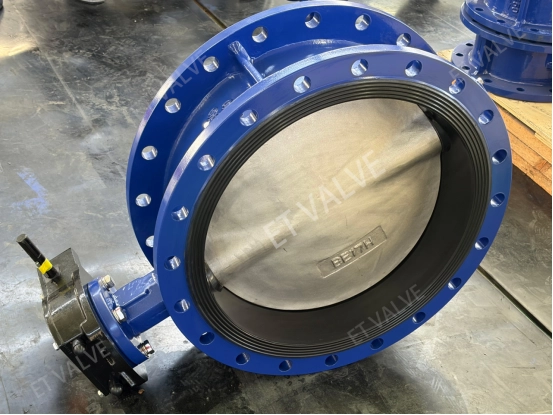
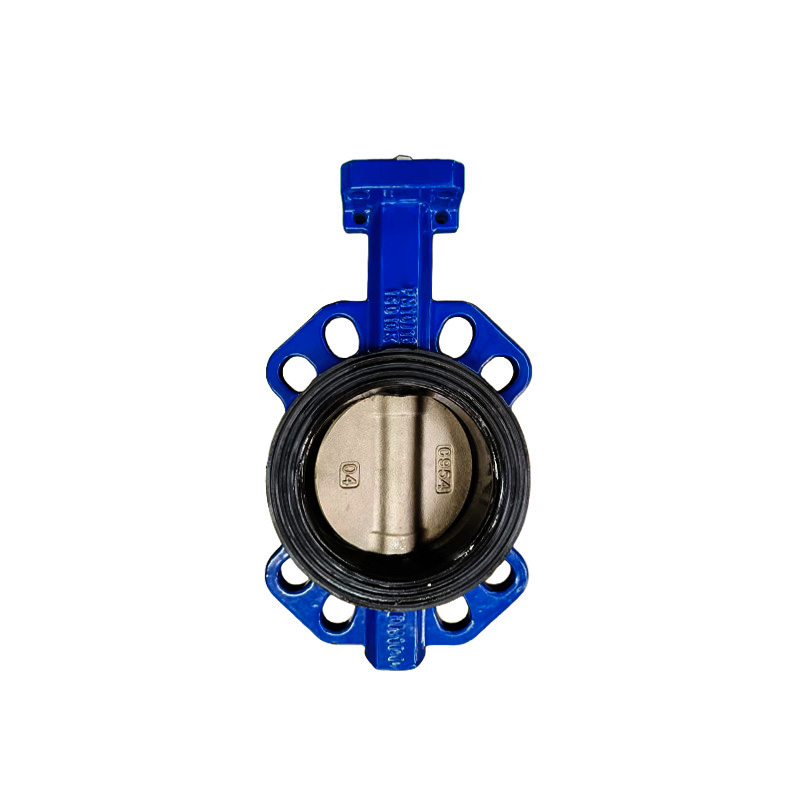
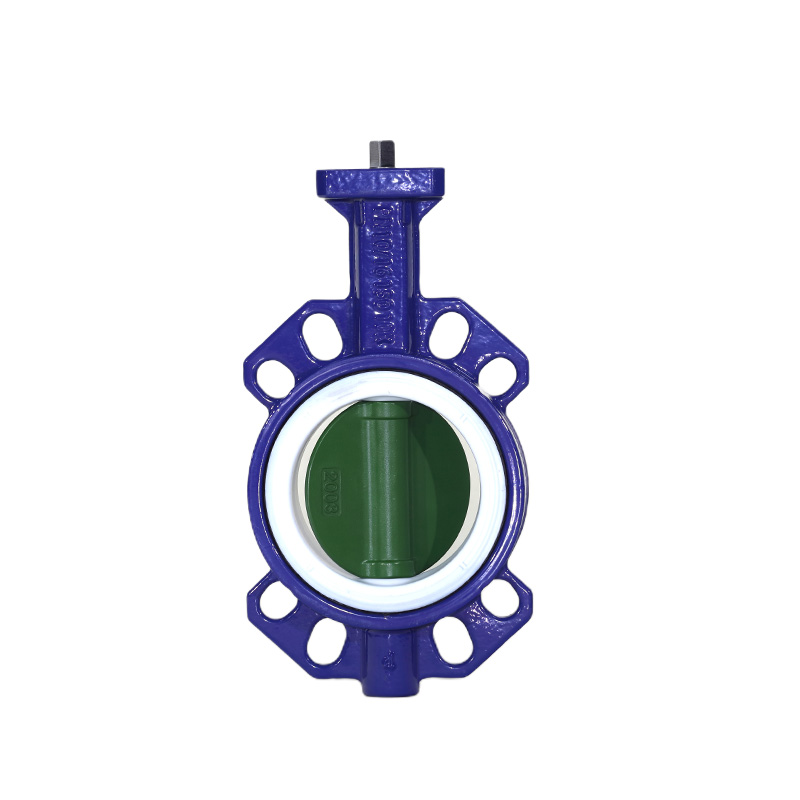
A диск-затвор с мягкой седельной уплотнительной поверхностью типа «вафер» has a coreless structure. A raised ring at the seat-to-body connection is provided to secure the compressed rubber seat to the body of the butterfly valve against shifting and bulging. This provides a hooked profile to retain the rubber seat.
The body groove gives compressed rubber room to expand.
Wide Sealing Surface and O-Ring Design
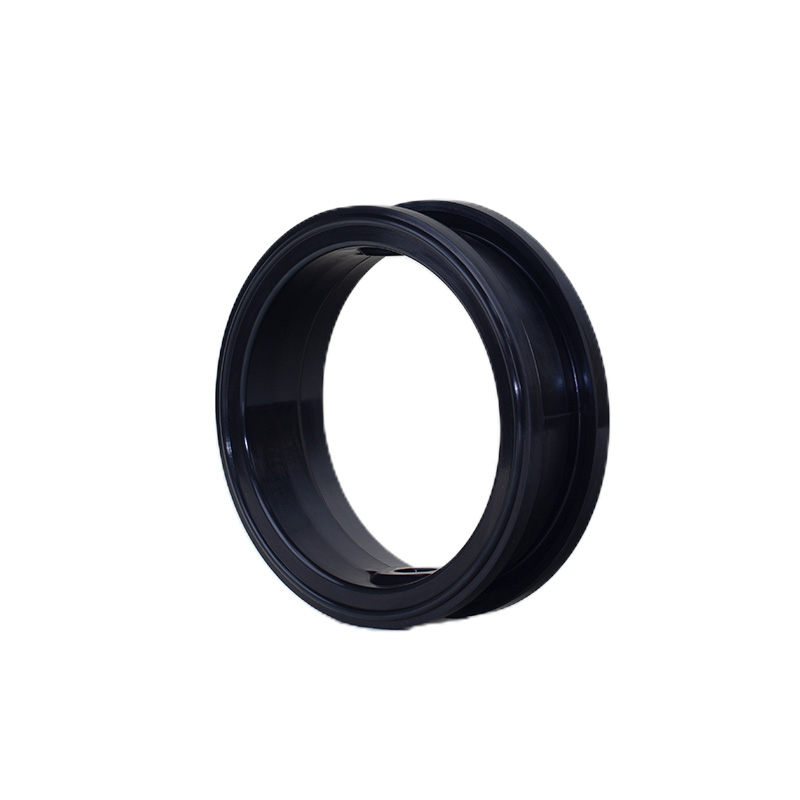
The seat extends over both body end faces, forming a wide flange sealing surface that also forms the O-ring gasket sealing against the pipe flange faces. This would require specified mating flanges and would not require the use of separate flange gaskets. The wearing parts (the seat) can be removed and replaced by suitable spare parts.
Hard-Back Butterfly Valve Seat: Rigid Support and Structural Stability
Rigid Core and Circular-Fit Structure
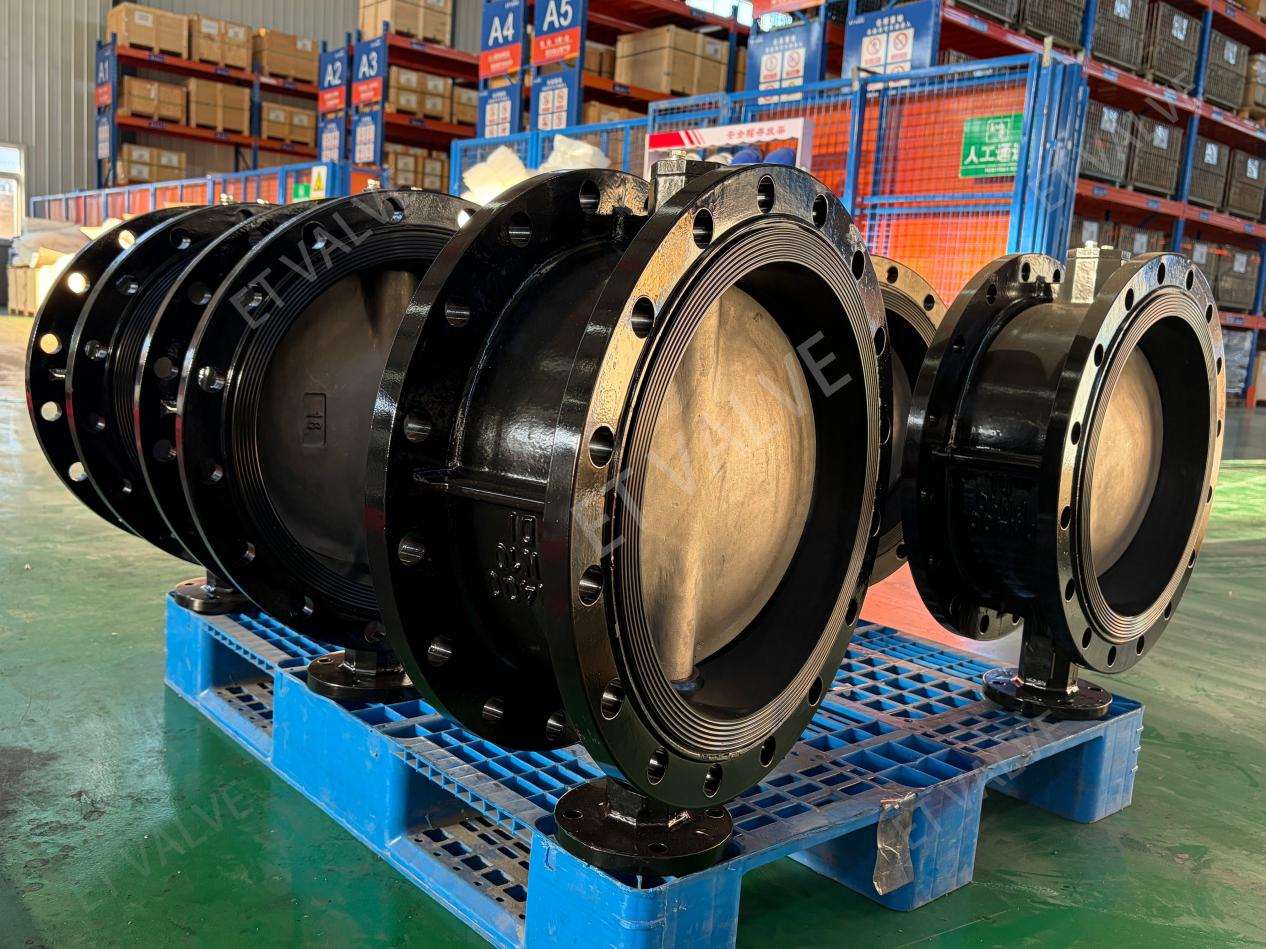
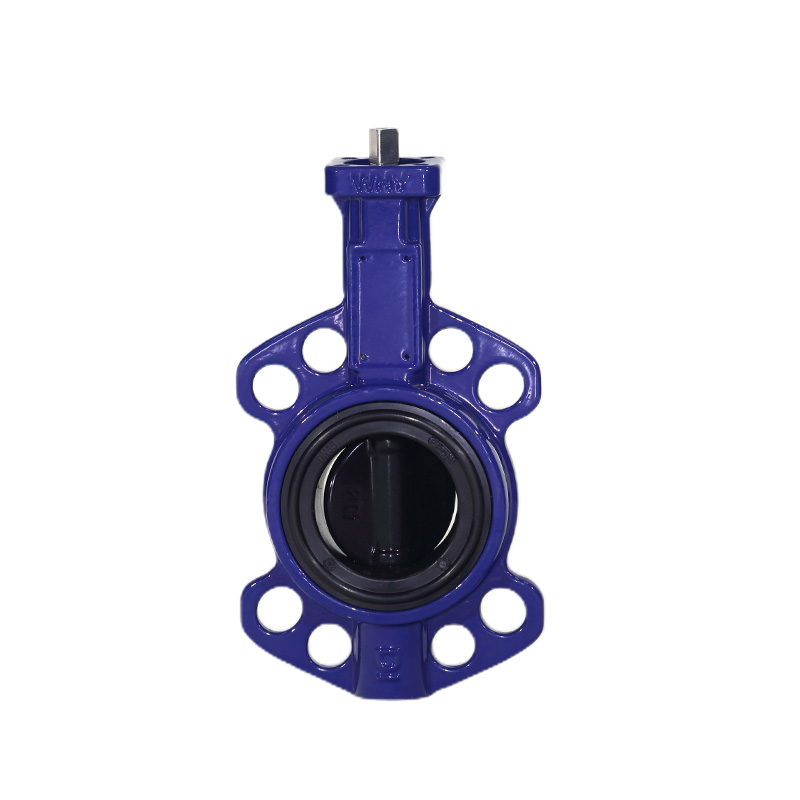
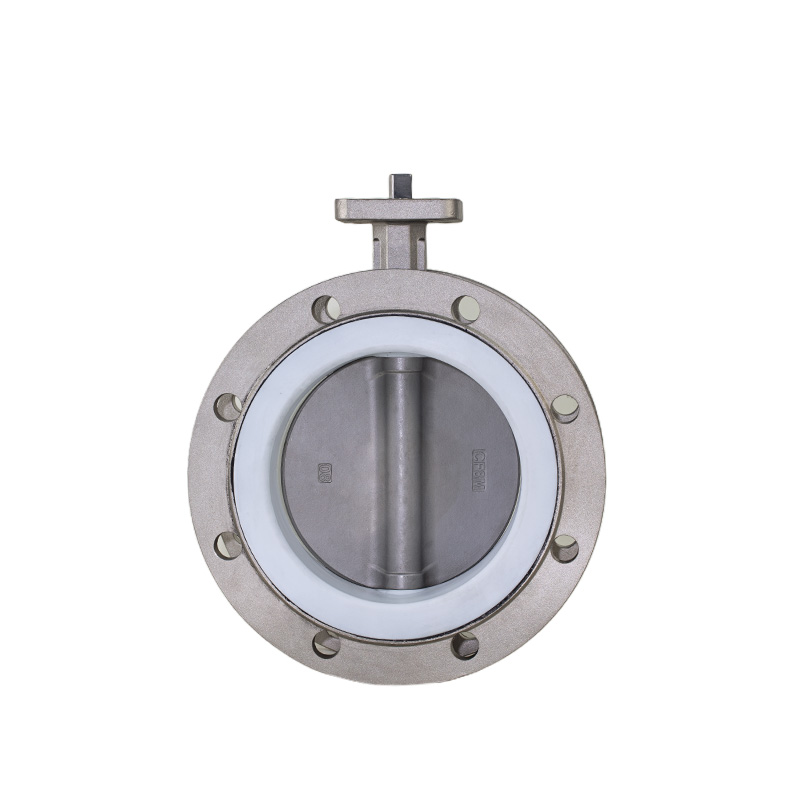
A wafer-type backrest-seated butterfly valve has a rigid core supporting the rubber seat. The core can be phenolic resin, fiberglass or metallic aluminum. The backed seat has a circular fit to the body.
Three O-Ring Sealing Design
The wafer hard-back design used by ET VALVE has three O-ring sealing features. Contact width against the pipe flange is relatively narrow. Use the specified weld-neck (WN) flanges for effective sealing with this arrangement.
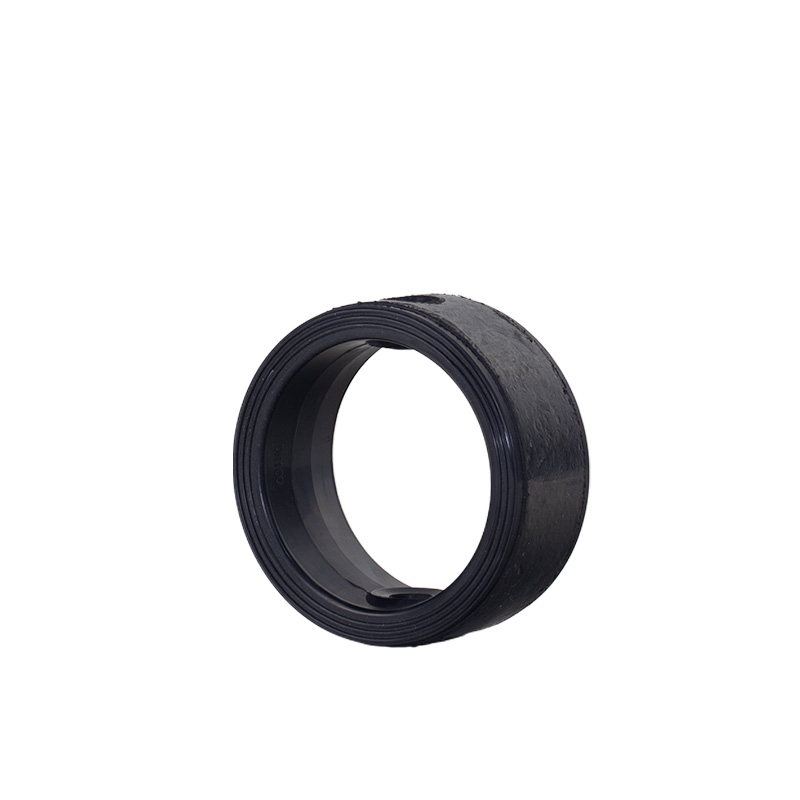
Soft-Back vs. Hard-Back Butterfly Valve Seats: Key Structural Differences
The following details are related to the ET VALVE wafer designs.
|
Comparison factor |
Soft-back seat |
Hard-back seat |
|---|---|---|
|
Internal structure |
Coreless rubber |
Rigid supporting core |
|
Body connection |
Hooked tongue-and-groove |
Circular fit |
|
Rubber support |
Body groove and rubber elasticity |
Internal frame |
|
Deformation control |
Profile and groove retention |
Additional rigid support |
|
O-ring design |
Single sealing feature |
Three sealing features |
|
Flange contact |
Wider |
Relatively narrower |
|
Seat replacement |
Removable |
Removable |
Both types of butterfly valve seats can be replaced, but matching nominal sizes does not necessarily mean that they can be swapped over: the body connections and flange interfaces differ.
How Do Structural Differences Affect Valve Performance?
Sealing Stability and Deformation Resistance
Soft-back seats use the rubber of the valve seat profile to engage in the body groove, whilst hard-back seats have an internal frame to resist seat distortion. Both types of seats require correct assembly to a body and the correct flange fit.
Operating Torque and Wear Resistance
Disc-to-seat friction contributes to the operating torque of a valve. In addition to support, the design of the seats also needs to be able to limit rubber distortion and prevent unwanted rubbing areas. Both seats are equipped with flared openings to reduce scraping. The core being rigid does not automatically provide a longer service life. Nor does it automatically determine the size of the actuator.
Maintenance and Replacement
Make sure you check the model number and exact dimensions of the spare seat as well as its body type before scheduling for a replacement. You should also make room for seat inspection and flange alignment in your regular maintenance plan.
How to Choose Between Soft-Back and Hard-Back Butterfly Valve Seats?
Consider the Working Medium
Soft-back butterfly valve seats can be considered for applications using water for treatment, supply or drainage. For these applications the soft rubber material used to form the seat and other components can be selected to best suit the particular service and maintenance arrangements. Consider hard-back seats when extra support is needed. For oils, corrosive chemicals or abrasive particles, check sealing-material compatibility.
Check Pressure and Temperature Requirements
The pressure and temperature limits of a seat are related to the complete valve configuration and must be checked against working pressure, temperature and differential pressure. Simply calling a seat “hard-backed” is not enough to establish its limits for pressure and temperature.
Evaluate Installation and Maintenance Requirements
Also verify flange standards, raised-face (RF) dimensions, sealing contact width as well as type of flanges in use. Furthermore have a look at required spare parts and the duration of your maintenance shutdown.
EPDM, NBR, HEPDM, PTFE, VITON and PU seal materials are available for butterfly valve seats. Please confirm your required butterfly valve seat materials and grades when ordering, as materials availability will depend upon the seat type.
ET VALVE: Butterfly Valve Seat Design and OEM/ODM Customization
The flexibility to design the butterfly valve to meet the individual needs of your application is also available via OEM/ODM customization for butterfly valves. For center-line resilient-seated butterfly valves, ET VALVE’s engineering team can design soft-back, hard-back or vulcanized designs in a variety of seat materials for use on wafer butterfly valve bodies of various sizes. Production facilities and an in-house testing laboratory support this work.
Please provide the medium of service, operation conditions, valve size, flange details etc. and we will check whether the recommended seat structure and material is suitable for your particular application.
Conclusion: Choose the Right Butterfly Valve Seat Structure
Soft-back seats use shaped retention; hard-back seats add a rigid core. Their flange sealing interfaces also differ. The seat must match the piping and service conditions. Contact ET VALVE for advice regarding a suitable butterfly valve seat type and material, as well as possible options for customization.
Часто задаваемые вопросы
Is a Hard-Back Butterfly Valve Seat the Same as a Metal-Seated Valve?
No. In the case of hard-back butterfly valve seats the disc still seals against resilient material as opposed to metal to metal contact.
Can Soft-Back and Hard-Back Butterfly Valve Seats Be Replaced?
Yes, both wafer designs discussed here are capable of having seats replaced. In each case the spare seat must match the body and the seats of the original valve.
Which Butterfly Valve Seat Is Better for Industrial Applications?
Neither seat design is universally better. Compare the medium, operating conditions, flanges and maintenance needs of your required installation with those described above.
Недавние публикации
ПОХОЖАЯ ПРОДУКЦИЯ
Выберите продукт, который вас интересует
Свяжитесь с нами
Свяжитесь с нами в любое время




ET Valve