


- Início
- Blog
- Notícias da Indústria
- Replaceable vs. Vulcanized Butterfly Valve Seats: Design, Maintenance, and Service Life
Replaceable vs. Vulcanized Butterfly Valve Seats: Design, Maintenance, and Service Life
-
 ET Valve
- Novembro 12, 2026
Replaceable vs. Vulcanized Butterfly Valve Seats: Design, Maintenance, and Service Life
Introduction: Why Does Butterfly Valve Seat Design Matter?
The seat is where a butterfly valve holds its shut-off — or leaks.
Worn rubber asks a blunt question: does the ring come out, or does the body go with it?
Two answers exist. The Replaceable Butterfly Valve Seat comes out as a component. The Vulcanized Butterfly Valve Seat stays bonded to the body. What follows? Structure, sealing stability — and Butterfly Valve Maintenance costs.
What Is a Replaceable Butterfly Valve Seat?
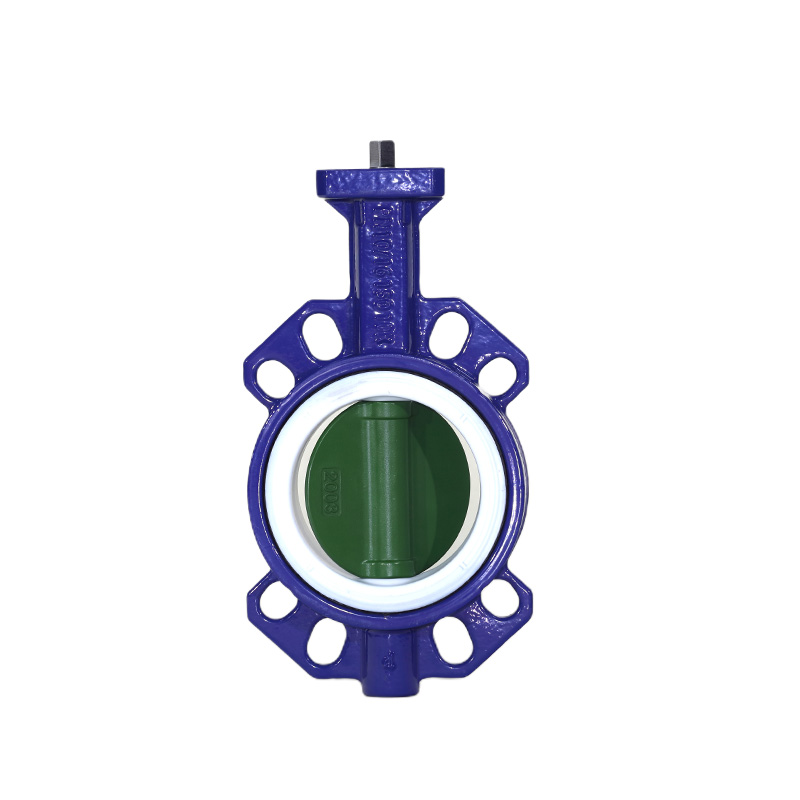
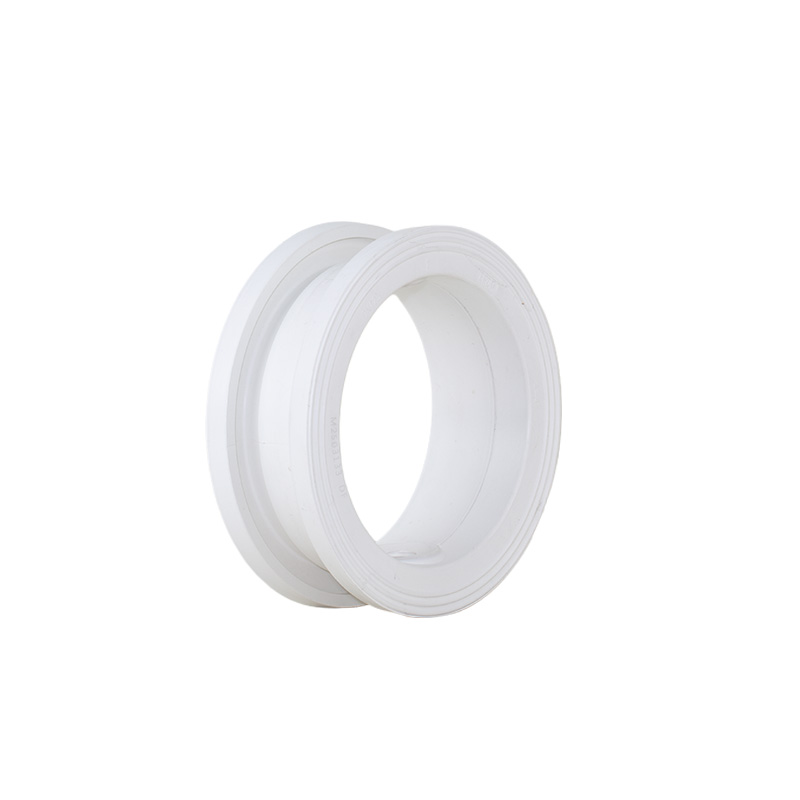
A separate rubber ring, fitted into the body. That’s the whole idea. It wears out; it comes out. A new ring goes in. The body never leaves the line, so a worn seat costs a parts swap, not a new valve.
Soft-Backed Butterfly Valve Seat
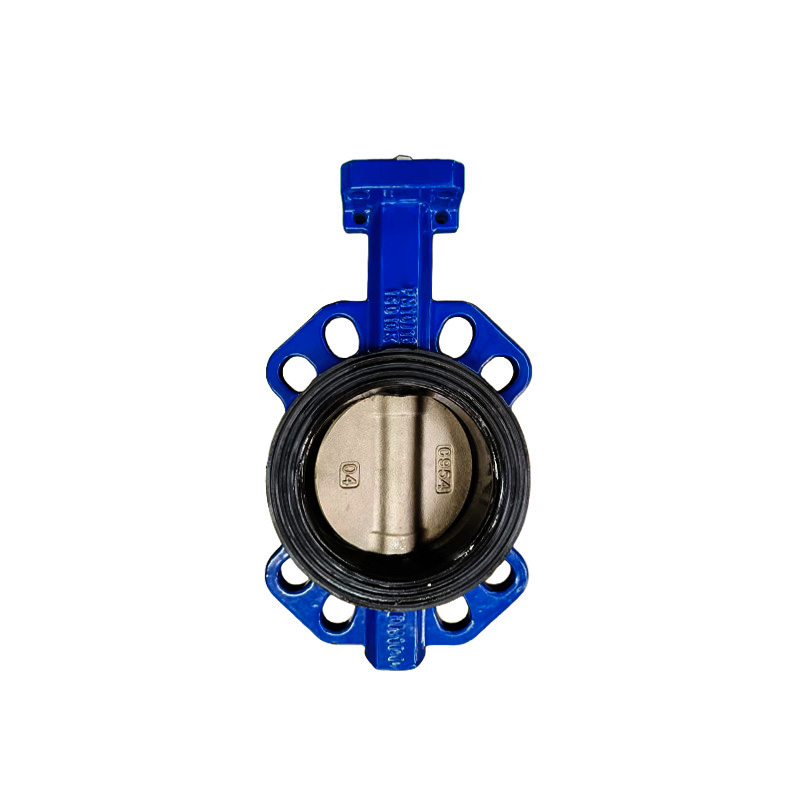
No frame inside. Coreless — a hook-like, tongue-and-groove fit holds it to the body.
Why the wide edge? It spreads flange contact over more surface. Disc squeezes the rubber? The body groove takes the flex.
Swap it yourself. Out with the old ring, in with the new — no special equipment. A soft-backed wafer butterfly valve ensures that the valve body needs to be removed from the line and disassembled for replacement each time the valve seat is changed.
Hard-Backed Butterfly Valve Seat
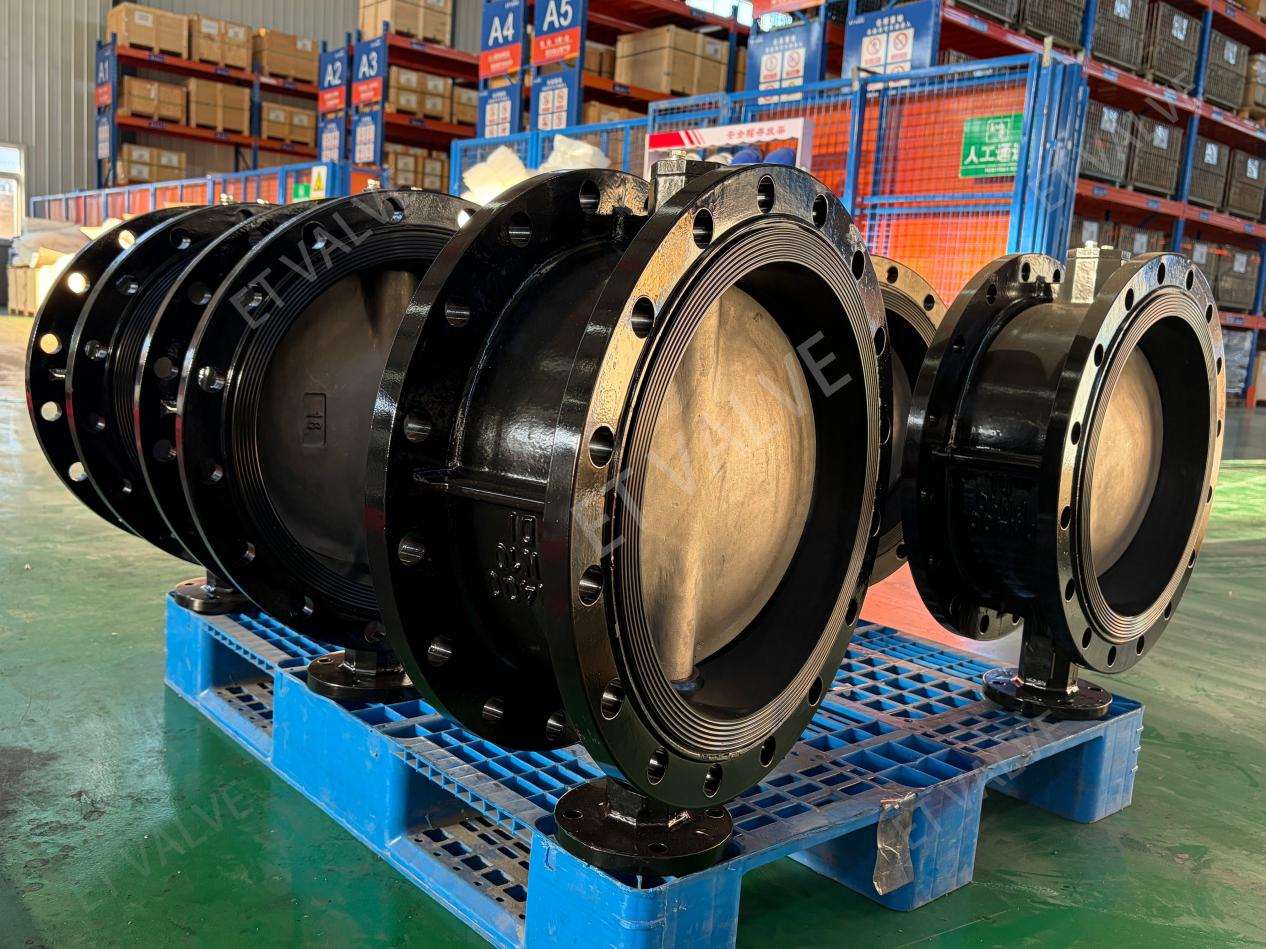
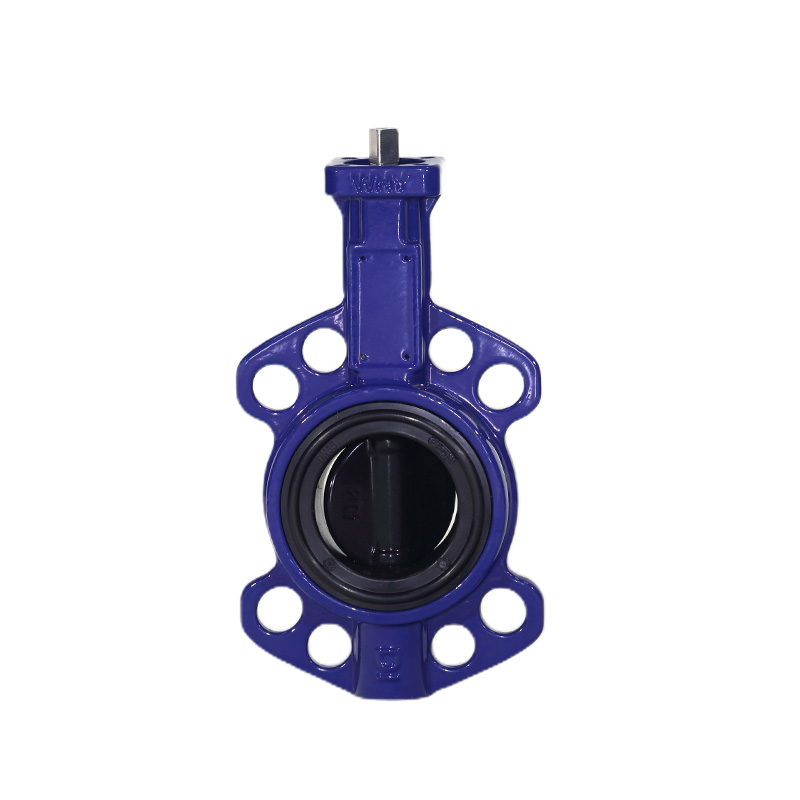
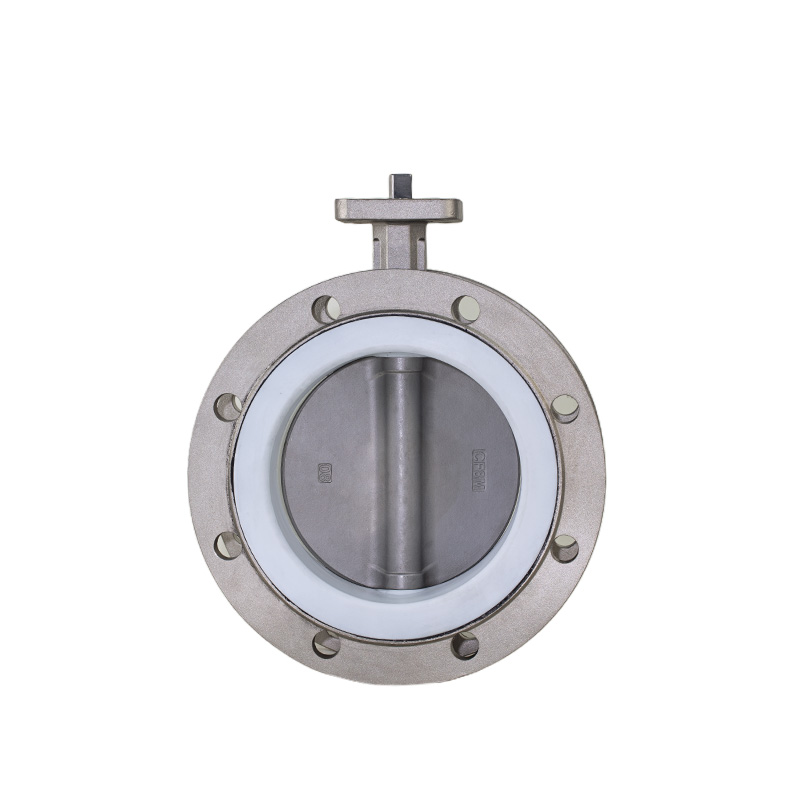
The hard-backed seat carries a skeleton — a rigid core holding the profile steady while the disc swings, so the sealing face doesn’t distort under pressure and cycling. Fit is a simple round seat in the body.
Two details cut the wear. A flared entrance sweeps the disc edge off the rubber each stroke. Three O-rings on the structure face carry the flange seal. This construction runs through a hard-backed wafer butterfly valve, lug-type butterfly valves and U-type flanged bodies alike. A hard-backed seat is a replaceable seat — replaceable never means hard-backed.
Operating conditions also influence the choice between soft-backed and hard-backed seats. For ET VALVE’s replaceable-seat options, a hard-backed seat is generally preferred for gas service, including cold air and steam, and for vacuum service. Its rigid backing helps maintain the seat profile and resist deformation, particularly under vacuum.
Steam applications still require a suitable seat compound and a valve rated for the actual operating pressure and temperature; vacuum applications require confirmation of the valve’s vacuum rating.
What Is a Vulcanized Butterfly Valve Seat?
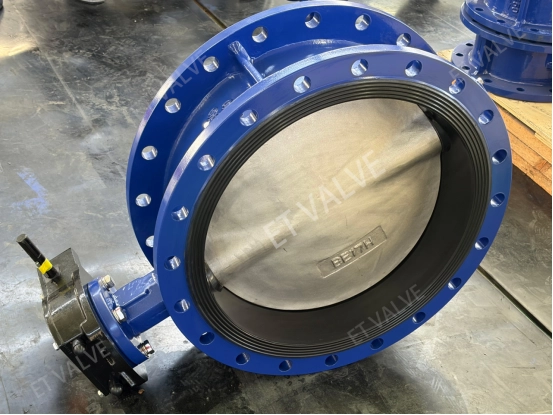
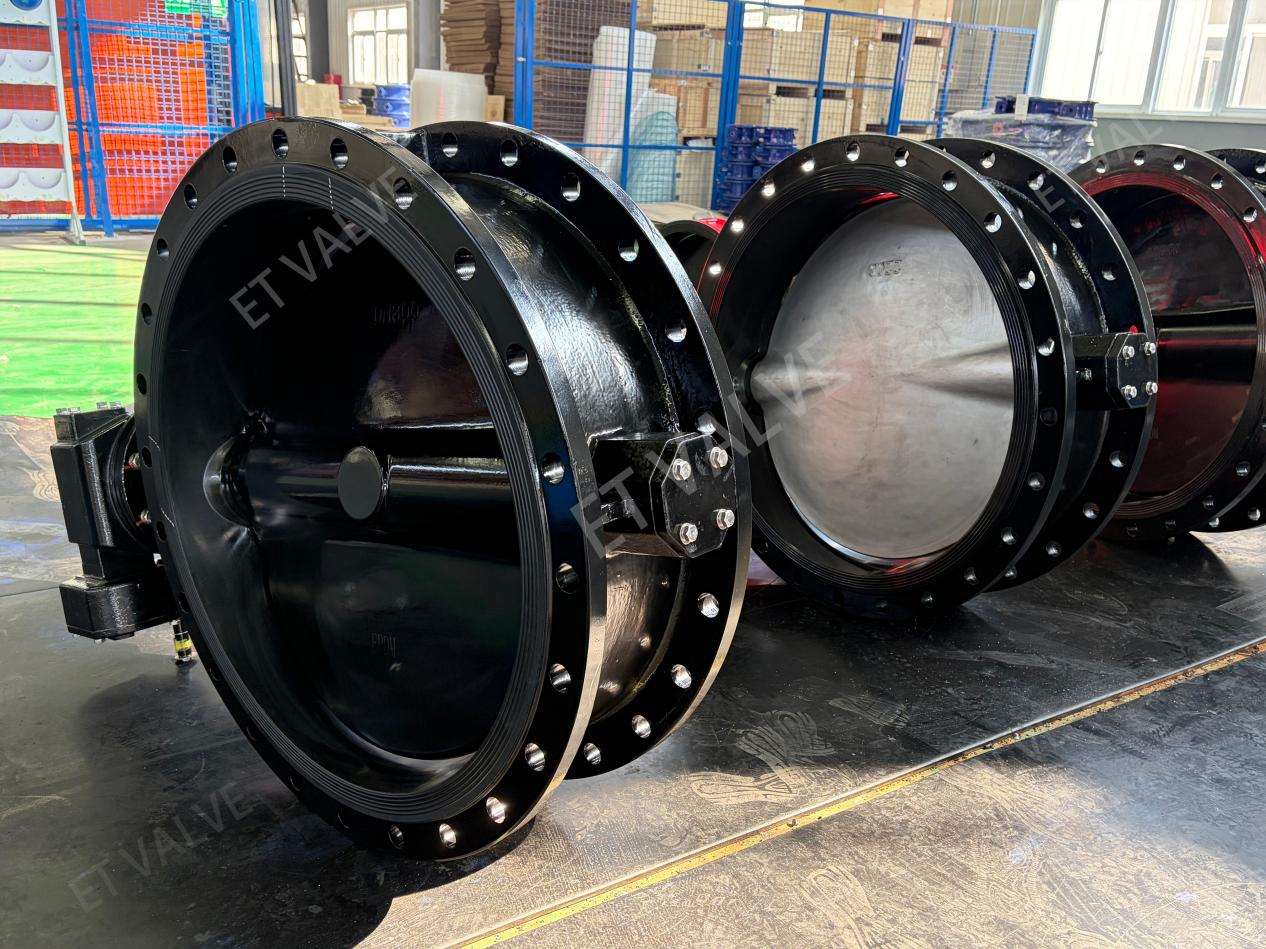
Nothing gets fitted in afterwards. During manufacturing, heat and pressure bond the rubber straight onto the body’s inner surface. Lining and metal end up as one part — no pocket, no retention, nothing to lift out.
The payoff is fewer failure paths. The rubber can’t stretch, shift, bulge or peel the way a loose ring can, so the seal stays stable. Less flexing rubber around the disc means lower friction and torque; the smoother profile leaves more open flow area.
This bonded construction appears in the wafer-type rubber-lined butterfly valve and the double-flange rubber-lined butterfly valve — and in both, the seat can’t be swapped like a separate ring.
Replaceable vs. Vulcanized Butterfly Valve Seats: Key Differences
| Comparison Factor | Replaceable Seat | Vulcanized Seat |
| Construction | Separate rubber seat | Rubber bonded to valve body |
| Instalação | Mechanically fitted | High-temperature, high-pressure vulcanization |
| Seat Replacement | Removable and replaceable | Cannot be replaced separately |
| Maintenance | Seat can be replaced individually | Integrated structure requires a different repair plan |
| Seat Stability | Depends on retention and support design | Strong integrated bonding |
| Friction | Depends on seat geometry and support | Designed to reduce friction |
| Spare Parts | Replacement seats can be stocked | Spare valve or manufacturer-approved repair plan |
| Main Advantage | Easy seat replacement | Stable integrated sealing |
Replaceable seats put maintenance flexibility first; vulcanized seats put integrated sealing stability first. Neither is universally superior — operating conditions and maintenance requirements decide.
Maintenance and Replacement: What Happens When the Seat Wears?
Maintaining a Replaceable Butterfly Valve Seat
Wear shows up; the work stays component-level:
- Safely isolate and depressurize the pipeline.
- Inspect the seat for wear, cracking or deformation.
- Remove the existing seat following the specific valve maintenance procedure.
- Clean and inspect the valve body and disc contact surfaces.
- Install a compatible replacement seat.
- Reassemble the valve and perform sealing and operational tests.
Maintaining a Vulcanized Butterfly Valve Seat
There’s no pull-out here, so the approach changes. Inspect the rubber surface: cracks, wear, corrosion, local debonding. Damage past the surface needs a manufacturer-confirmed repair or relining — a validated path, not an improvised one. No workable repair? The valve gets replaced.
Which Butterfly Valve Seat Offers Better Service Life?
No universal ranking exists. Three angles settle it:
- Resistance to wear and deformation.The soft-backed seat spreads disc load across an elastic body and a hooked fit; the hard-backed seat leans on its rigid core; the vulcanized seat can’t shift or peel — no loose part.
- Operating friction and torque.Every stroke the disc takes across the rubber adds quiet damage and turning effort. A clean contact path — flared entrance, stable profile — cuts both.
- Material compatibility.The rubber picks out the life as much as the construction does:
| Seat Material | Typical Application |
| EPDM | Water, seawater and brine |
| HEPDM | Water and low-pressure saturated steam |
| NBR | Oil and petroleum applications |
| FKM (Viton) | Selected chemical and high-temperature services |
| PU | Abrasive slurries, powders and granules |
Indicatively: EPDM −40 to 110 °C. NBR −20 to 100 °C. FKM −20 to 200 °C. PU −20 to 80 °C. The compound, medium concentration and full pressure-temperature envelope still decide.
What sets service life? Structure, rubber, temperature, pressure, medium, abrasion and cycling — not whether the seat is replaceable or vulcanized.
How to Choose the Right Butterfly Valve Seat for Your Application?
Which side fits your line?
Uma replaceable seat fits when maintenance ease comes first — a plant on a seat replacement schedule, spare seats in stock, component costs that need cutting.
Within ET VALVE’s replaceable-seat range, gas or vacuum service generally favors a hard-backed design, subject to the specified medium, temperature, pressure and vacuum requirements.
Uma vulcanized seat fits when the line wants bonded rubber, resistance to seat movement, stable sealing, reduced friction — or a fully lined body. Not a default, though. Check the service first.
Before ordering, settle five points: what fluid, at what concentration? What pressure and temperature? What size and connection? What abrasives, how often does the line cycle? And what does the maintenance plan assume about spare parts?
Perguntas Frequentes
Q1: Can a vulcanized butterfly valve seat be replaced?
No. In ET VALVE’s integral vulcanized designs, the rubber seat is bonded directly to the valve body and cannot be removed and replaced separately.
Q2: Which butterfly valve seat is easier to maintain?
Replaceable seats, generally. The worn seat can be removed and replaced without replacing the entire valve body.
Q3: Does a vulcanized butterfly valve seat last longer?
Not necessarily. Its integrated structure improves bonding stability, but actual service life depends on material compatibility and operating conditions.
Conclusion: Choose the Right Seat Design for Long-Term Performance
One design buys maintenance ease; the other buys integrated sealing stability. ET VALVE carries both routes — replaceable soft-backed and hard-backed seats, integral vulcanized solutions — with customized seat materials, valve configurations and OEM/ODM service for different industrial operating conditions.
Looking for a reliable butterfly valve solution? Contact ET VALVE to discuss your operating conditions, seat material requirements and customized OEM/ODM needs.
Postagens Recentes
PRODUTOS RELACIONADOS
Selecione o produto de seu interesse
Contacte-nos
Entre em contato conosco a qualquer momento




ET Valve