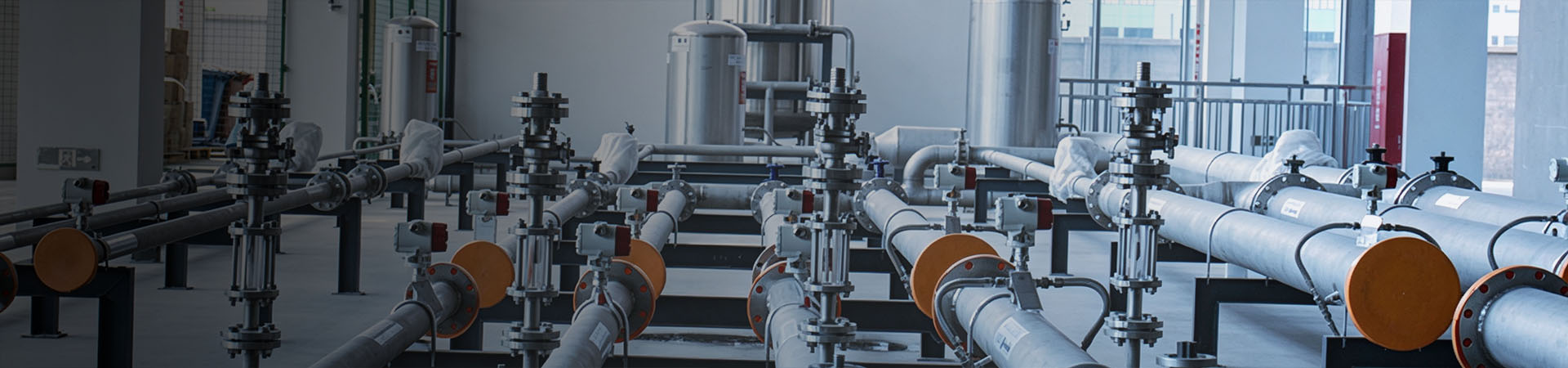
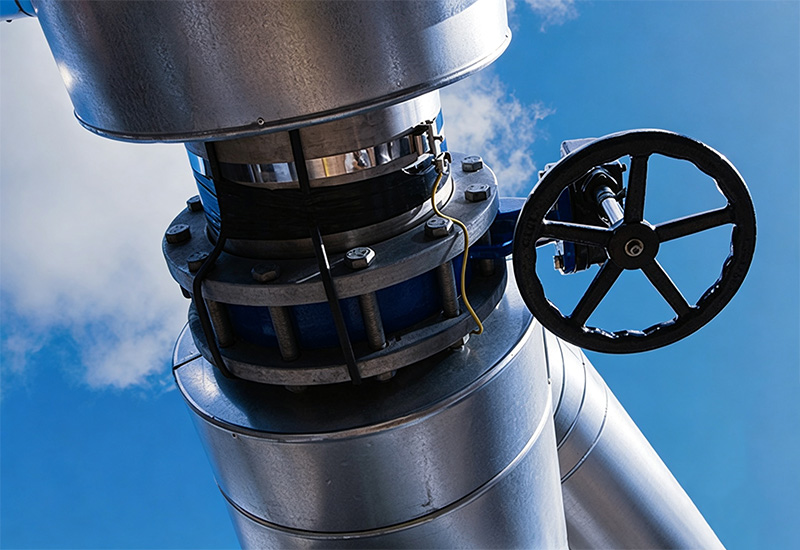
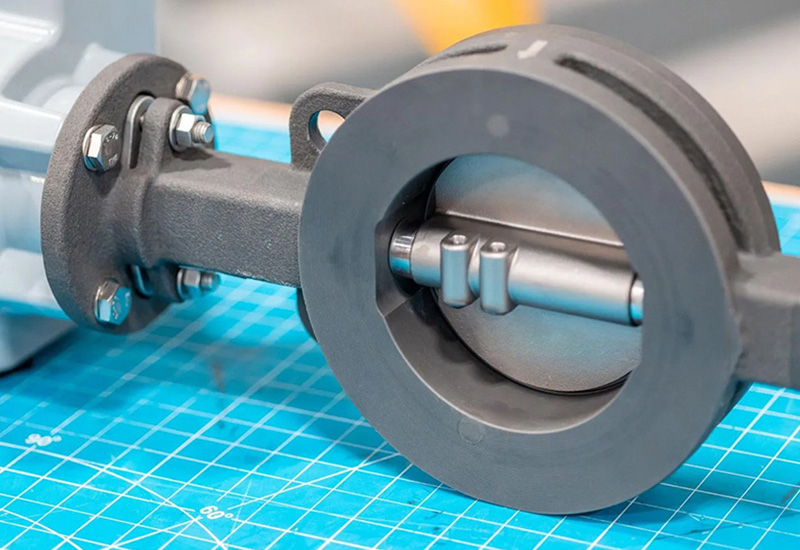
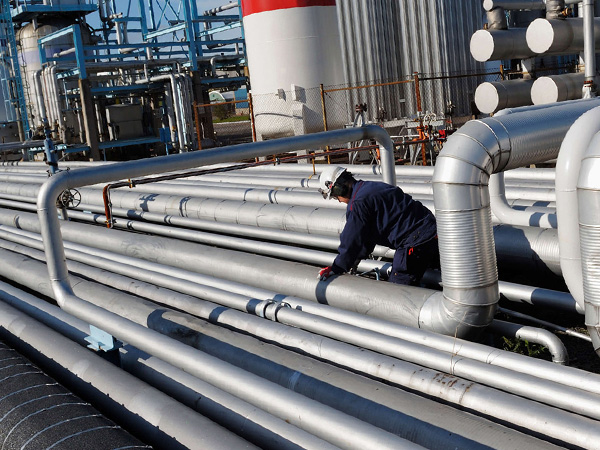
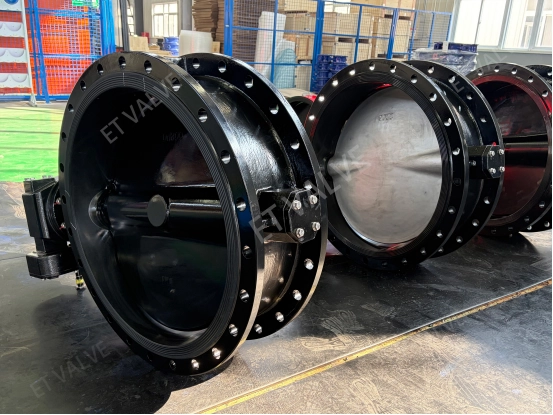
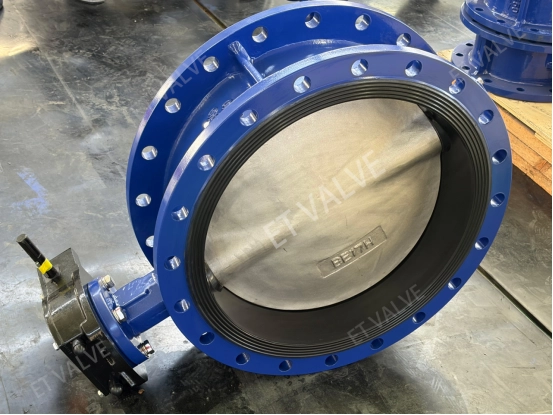
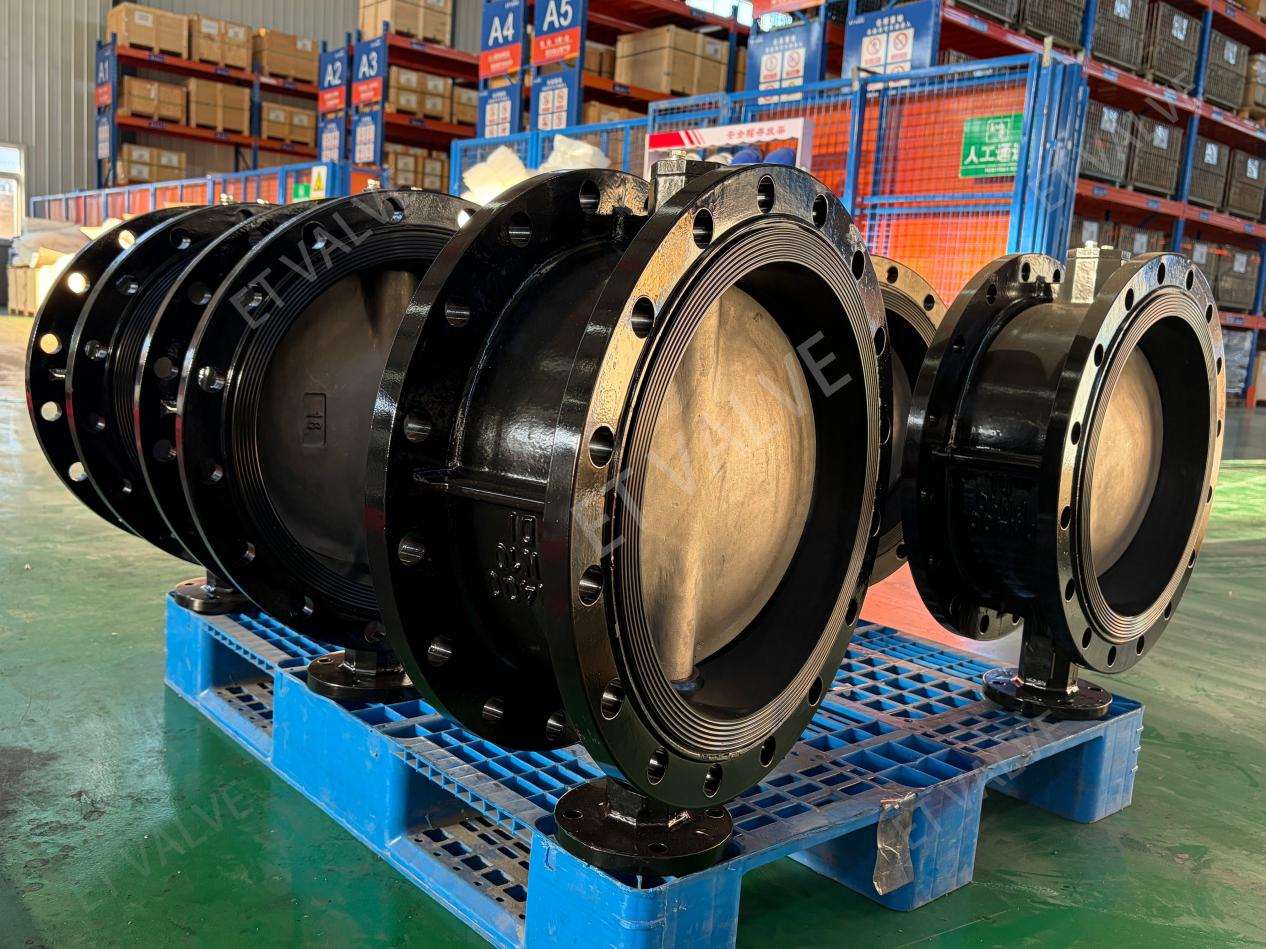
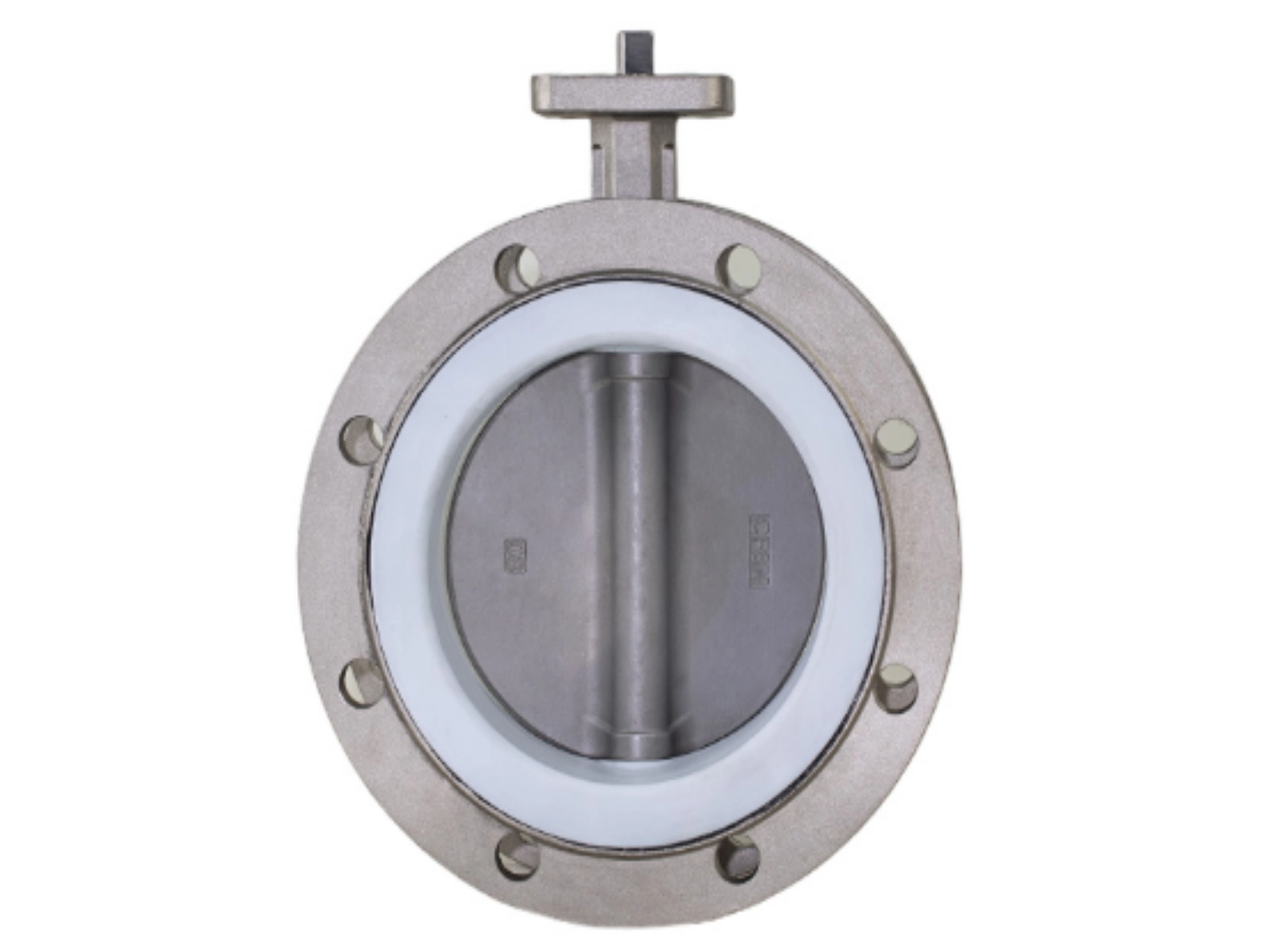
이 대규모 석탄 화력 발전 프로젝트에서 순환수 시스템은 발전소의 냉각 운영을 위한 생명선 역할을 합니다. 이 시스템은 거대한 파이프 직경과 막대한 유량을 다루며, 고습도 및 고부식성 환경에서 작동하므로 밸브는 뛰어난 신뢰성, 밀봉 성능 및 유량 용량이 필요합니다. 기존 게이트 밸브는 부피가 크고 비싸며 유체 저항과 에너지 소비가 높아 이러한 조건에는 적합하지 않습니다.
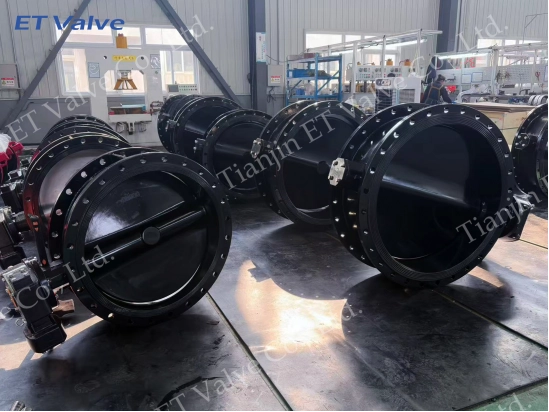
본 프로젝트에서는 우리사의 초대형 직경(DN3200) 전동 버터플라이 밸브를 여러 배치로 도입했습니다. 낮은 유체 저항 설계로 충분한 수류 확보와 펌프 에너지 소비 절감을 실현했으며, 밸브 본체는 다층 방부 처리와 보강 구조를 적용하여 고습도·고부식성 순환수 환경에서도 안정적으로 견딜 수 있습니다. 현대화된 고자동화 발전소 운영 요구사항에 맞춰 각 밸브에는 정밀하고 신뢰할 수 있는 전동 액추에이터를 장착하여 지능형 원격 제어와 발전소 분산 제어 시스템(DCS)과의 원활한 연동을 지원하며, 냉각수 유량을 실시간으로 정확하게 조절할 수 있습니다.
시운전 이후 순환수 시스템은 잠김이나 누출 없이 안정적이고 효율적으로 가동되어 발전机组의 신뢰할 수 있는 연속 최대 부하 운전을 보장했으며, 고객사는 당사의 제품에 대해 만장일치로 찬사를 보냈습니다.
대규모 구리 제련 기업은 플래시 제련 공정을 사용하며, 제련로에서 배출되는 배기가스는 온도가 최대 550°C에 달하고 이산화황과 같은 고부식성 가스를 포함합니다. 배기가스는 산 제조 시스템으로 진입하기 전에 폐열 보일러를 통과하여 열 회수를 수행해야 하므로, 폐열 보일러와 정전기 집진기 사이에 가스 흐름 전환 및 시스템 격리를 위해 대직경 버터플라이 밸브가 필요합니다. 기존 게이트 밸브는 이러한 고온·부식성 조건에서 심한 변형과 느린 폐쇄 속도를 보여 긴급 차단 요구사항을 충족하지 못했습니다.
기업은 우리사의 DN1800 고온용 버터플라이 밸브를 선택했으며, 밸브 본체와 디스크 모두 310S 내열 스테인리스 강으로 제작되어 최대 600°C까지 장기 안정 운전이 가능합니다. 당사의 밸브는 열팽창 차이를 자동으로 보상하는 탄성 시트 설계, 중공 냉각 구조와 특수 방열 성분을 갖춘 밸브 샤프트, 그리고 최대 800°C까지 견딜 수 있는 특수 그래파이트 복합 소재로 만든 밀봉 요소를 특징으로 합니다. 산 제조 시스템 유지보수 시, 당사의 밸브는 완전히 열린 상태에서 완전히 닫힌 상태로 단 12초 만에 전환되며, 이는 유사 제품들이 30초 이상 소요하는 것보다 훨씬 빠른 속도로 배기가스 누출 위험을 효과적으로 방지합니다.
이 밸브는 시설에서 5년 동안 연속적이고 안정적으로 가동되었으며, 그 기간 중 정기 유지보수는 두 번만 필요했습니다. 이는 기업의 고온 배기가스 처리 시스템의 핵심 구성 요소가 되었으며, 극한 작동 조건에서 당사의 제품이 가진 신뢰성을 충분히 입증했습니다.
도시 하수 처리장에서 슬러지 농축 및 탈수 공정에 사용된 기존 게이트 밸브는 부피가 크고 작동 토크가 높으며 밀봉 성능이 낮아 에너지 소비가 많고 유지보수가 빈번했습니다. 이는 특히 슬러지 펌핑 라인에서 문제가 شد었는데, 게이트 밸브의 높은 유체 저항으로 인해 펌핑 에너지 소비가 증가했습니다. 또한, 입자가 포함된 매체로 인해 글랜드 패킹 실이 심하게 마모되어 누출률이 0.3%에 달했고, 이는 현장 작업 환경을 악화시킬 뿐만 아니라 슬러지 처리 비용도 상승시켰습니다.
처리장은 전통적인 게이트 밸브를 당사의 304 스테인리스 강 본체와 부식 방지 EPDM 실을 갖춘 버터플라이 밸브로 교체하기로 결정했습니다. 당사의 버터플라이 밸브는 컴팩트하고 가벼우며 개폐에 90도 회전만 필요하여 조작이 빠르고 간편합니다. 슬러지 처리 단계에서는 전기 버터플라이 밸브가 공정 요구사항에 따라 슬러지 펌핑량을 자동으로 조정하여 농축 및 탈수 효율을 최적화하며, 생물학적 처리조의 유입관 및 유출관에서는 다양한 공정 단계의 요구를 충족하기 위해 유량을 정밀하게 제어합니다.
개조 후, 처리장은 에너지 소비를 23% 절감하고, 누출률을 0.3%에서 0.01%로 낮추었으며, 연간 유지보수 비용을 60% 절감하고 슬러지 탈수 효율을 25% 향상시켰을 뿐만 아니라 현장 작업 환경도 크게 개선했습니다.
2022년에 설립된 TianJin ET Valve Co., Ltd.는 중심선 탄성 시트 버터플라이 밸브의 연구 개발 및 제조에 집중하며, 화학, 환경 보호, 식품 가공 및 분체 취급 산업에 고성능 유체 제어 솔루션을 제공합니다. 당사는 제품 설계를 최적화하고 혁신적인 밀봉 구조와 특수 재료를 채택하여 접착성 및 부식성 작업 조건에서의 밸브 걸림 및 마모 문제를 해결하고 신뢰성과 수명을 개선합니다. 전문 실험실, 종합 테스트 시스템 및 강력한 기술 R&D 팀의 지원을 받아 국제 표준을 준수하며 디지털 설계와 스마트 제조를 활용하여 엄격한 품질 관리를 보장합니다. 혁신적인 기업으로서 당사는 유연한 맞춤 서비스를 제공하며 전 세계 고객에게 맞춤형 솔루션을 공급해 왔으며, 산업용 밸브 산업의 기술 진보를 지속적으로 촉진하고 가치를 창출하고 있습니다.
Compare soft-back, hard-back, and vulcanized butterfly valve seats by support, replaceability, fluid compatibility, and maintenance needs before ordering.
Before you put a spare seat on the purchase order, check whether the old one actually comes out. That’s the maintenance question behind hard-backed vs. vulcanized butterfly valve seats. It can easily get lost when a quotation just says “rubber seated.”
With ET VALVE’s hard-backed option, you can replace the seat. Choose vulcanized construction and the rubber is bonded to the body instead. We offer both. Which we’d recommend depends partly on your repair plan, but also on the flange joint you have to assemble.
What Is a Butterfly Valve Seat, and Why Does Its Design Matter?
Look inside the bore: the disc closes against the seat to shut off flow. That seat sits between the disc and the body. Follow it out to the ends of these valves and you’ll find another job for it: sealing against the pipe flanges.
Its shape therefore matters during installation as well as maintenance. A seat may fit inside the body yet still need a particular flange arrangement outside it.
Keep construction and material separate when ordering. “Hard-backed” describes how the seat is supported. “EPDM” identifies a material. You need both pieces of information.
What Is a Hard-Backed Butterfly Valve Seat?
Construction and Design
A hard-backed butterfly valve seat has a supporting frame, sometimes called a skeleton. It fits into the valve body through a circular mating arrangement and can be removed for replacement.
In our hard-backed wafer butterfly valve, you’ll also find a flared entrance running from the seat’s end face toward its sealing band. We use that shape to limit disc rubbing during opening and closing. “Hard” refers to the backing here; the sealing contact remains resilient.
Compatible Valve Configurations and Sealing Features
Hard-backed seats are available in wafer bodies and lug butterfly valves. Our U-type flanged configuration also uses them.
The wafer design has three O-ring features at the flange sealing faces. Contact width is relatively narrow. This is where the weld-neck (WN) flange requirement needs attention. Get the joint drawing checked while you’re buying the valve, before the installation crew is left trying to match it to an existing flange.
What Is a Vulcanized Butterfly Valve Seat?
Construction and Installation
A vulcanized butterfly valve seat attaches directly to the body. It isn’t a loose insert waiting to be pulled out during servicing. For the designs compared here, separate seat replacement is not available.
You’ll find bonded seats in our wafer range and in double-flanged butterfly valves. Allow for that construction when planning spares. Buying a replacement rubber ring won’t provide the same maintenance route as it would for a removable seat.
Sealing Design
Multiple O-ring features form the flange seal. The seat’s outer diameter extends toward the raised-face (RF) area to provide sealing contact.
There is a detail worth checking on the drawing: in the double-flanged design, that extension must remain within the RF diameter. Wafer geometry differs. Use the facing dimensions for the valve you’re buying. An old drawing from a different body style could send you in the wrong direction.
Hard-Backed vs. Vulcanized Butterfly Valve Seats: Key Differences
Put the repair requirement beside the piping drawing when comparing quotations. The differences below affect both, even where the valve sizes are identical.
Comparison Factor
Hard-Backed Seat
Vulcanized Seat
Construction
Supporting frame inside the seat
Seat bonded directly to the body
Seat replacement
Removable and replaceable
No separate seat removal or replacement
ET VALVE body configurations
Wafer, lug and U-type flanged
Wafer, lug and double-flanged
Wafer seat O-rings
Three in this design
Multiple in this design
Flange sealing interface
Narrower contact width; check flange selection
Seat extends toward the RF area
Maintenance planning
Plan for a replacement seat
Plan around the integrated seat and body
Key selection factor
Replaceability and body compatibility
Integrated construction and body compatibility
For a plant that keeps seat kits in stores, removability has a clear practical attraction. It gives the maintenance team a component they can replace. It doesn’t establish how long the seat will last.
A bonded seat changes that repair plan. Neither construction removes the need to check chemical compatibility or the valve’s pressure limits. We’d settle those points before comparing purchase prices.
How to Choose the Right Butterfly Valve Seat for Your Application
1. Consider Maintenance and Replacement Requirements
Does the workshop normally change seats during an overhaul? Write “replaceable butterfly valve seat” into the enquiry. For a bonded design, ask us what you should hold as a spare. Don’t leave that decision until the line is drained.
2. Match the Valve Body Configuration
Read the connection requirement on the piping drawing. A project specifying U-type flanged butterfly valves leads to a hard-backed option in this range. A wafer body leaves both seat constructions open for consideration.
3. Verify Pipeline Flange Compatibility
Take the O-ring positions from the seat drawing and compare them with the flange bore and facing. On the hard-backed wafer version, there’s less contact width to work with. You need the sealing features to land on the intended surface all around the joint.
4. Evaluate Operating Conditions
Give us the fluid and required valve size. Add operating pressure and the temperature range, including cleaning conditions. Confirm the complete configuration before releasing the order; the seat name alone is too little to buy against.
Seat Materials and Operating Conditions
Use this table to shortlist materials. Confirm compatibility for the exact fluid, compound grade and complete valve conditions before ordering.
Seat material
Suitable media / strengths
Avoid / limitations
Temperature range
EPDM
Water, seawater and brine; air; abrasives; phosphate salts; esters; ketones; alkalis; food media; liquids and solids; dilute inorganic acids.
Hydrocarbons, oils, fats and dry air. Air is listed as suitable, but dry air is excluded; verify air service.
-40 to 110°C
HEPDM
Same listed media as EPDM, plus low-pressure saturated steam.
Same listed exclusions as EPDM: hydrocarbons, oils, fats and dry air.
110 to 150°C
NBR
Oils and petroleum; hydrocarbons with less than 40% aromatics; natural gas; air; water, seawater and brine; alcohols; ethylene glycol.
Solvents, benzene and xylene.
-20 to 100°C
FKM (Viton)
High-concentration aromatics; mineral acids; halogenated acids; phosphoric acid; aliphatic acids; aromatic acids.
Ketones, amines, esters and alkalis.
-20 to 200°C
PTFE
Corrosive liquids and solvents.
Fluorine (as listed; confirm the exact chemical form and seat specification).
5 to 150°C
PU
Slurries, powders, granules and other particle-bearing abrasive media.
Strong acids and strong alkalis.
-20 to 80°C
Confirm the grade, construction and exact chemical with ET VALVE.
How the Materials Differ
EPDM / HEPDM. Water service; HEPDM also suits low-pressure saturated steam. Both exclude oils and hydrocarbons.
NBR. Oil and petroleum service.
FKM (Viton). Many aromatics and acids; avoid ketones, amines, esters and alkalis.
PTFE-lined HEPDM. Corrosive liquids and solvents.
PU(Polyurethane). Abrasive solids. Hard-backed and vulcanized describe construction, not material.
How to Choose by Service Conditions
Match the process fluid.
Check the full operating envelope.
Account for wear.
Confirm the complete valve.
Select by fluid and concentration, temperature (including cleaning and steam), pressure/vacuum, and solids or abrasion. Confirm the exact compound, body compatibility and complete valve limits with ET VALVE.
Conclusion: Choose the Seat Design That Fits Your Requirements
Have the maintenance requirement ready when you send ET VALVE the valve size and connection drawing. Include operating conditions so we can check the material choice and flange joint with you. For OEM/ODM valve requirements, bring any custom dimensions into that discussion before the order is placed.
Frequently Asked Questions
Can a Hard-Backed Butterfly Valve Seat Be Replaced?
Yes. The seat is removable. Order the replacement for the exact model and confirm the maintenance procedure. Matching the nominal diameter by itself doesn’t establish that another seat will fit the body.
Can a Vulcanized Butterfly Valve Seat Be Replaced Separately?
Not in the ET VALVE designs covered here. You can’t pull this seat out and fit a spare ring because it’s bonded to the body. Include that restriction in the maintenance plan and agree the replacement arrangement with us.
Which Is Better: Hard-Backed or Vulcanized?
For a job requiring separate seat replacement, we’d favor hard-backed construction. Where a bonded seat suits the specified body and maintenance plan, consider vulcanized construction. We wouldn’t choose between them on a service-life promise without relevant test data.
Wafer Vs Lug Vs Flanged Butterfly Valve: Which Connection to Choose
For a cooling line that will stay assembled, we’d normally start with wafer. It’s compact and usually the least expensive of the three comparable builds. If one side has to come apart independently, we’d look at lug instead, provided the valve uses a hard-backed or vulcanized seat design and is rated for the required dead-end duty. Where the piping specification requires full flange joints, check a double-flanged body against the space available.
The maintenance plan deserves a look before you order. Will somebody remove the downstream pipe with pressure still on the other side? That changes the duty you need to specify.
What Changes Between Wafer, Lug and Flanged Connections?
The names can be confusing because even a wafer valve sits between pipe flanges. Look at where the bolts finish. That tells you more than the outline of the casting. By “flanged” here, we mean the double-flanged version.
Connection
How It Is Fastened
What That Means on Site
Wafer
Bolts run past the body between the pipe flanges
Both flanges participate in holding the valve in place
Lug
Shorter bolts screw into the body’s threaded lugs from either side
You can undo one side and leave the other set of bolts alone
Double flanged
The body has its own flange at each end
Allow room to assemble and reach two separate flange joints
Quick Guide to Butterfly Valve Connections
Select by maintenance access, available space and piping requirements.
Connection
How it joins
Best fit and checks
Wafer
Bolts pass through the valve body and both pipe flanges.
Suitable for situations where downstream disassembly is not required and space is limited. Use long bolts; check bolt hole positions and protect the valve seat.
Lug
Short bolts thread into lugs on the valve body.
Use when downstream equipment must be removed while the valve stays upstream. For dead-end service, verify a hard-backed or vulcanized seat and the pressure, temperature and direction ratings.
Double-flanged
The valve body has a flange at each end.
Use for existing or specified full-flange joints. Match the standard, drilling and face-to-face length; allow bolt access and verify pipe support.
Connection type alone does not establish pressure rating or flow loss. Check the seat, materials and bore against the duty; for larger bores, verify pressure thrust and pipe supports. Follow site isolation procedures before dismantling; a closed disc alone is not positive isolation.
What Must Match Before You Order a Butterfly Valve?
“DN100, PN16” still leaves unanswered questions. We’d want the following settled on the drawing before releasing an order:
Flange standard and drilling.Copy the full designation from the piping specification. Don’t accept “Class 150 is close enough to PN16.” Compare the actual bolt circle and holes, along with the facing.
Installed length and disc clearance.A body that fits isn’t the whole story. Can the disc open without hitting anything? A thick pipe liner may leave less room than you expected from the nominal diameter.
A tight-feeling bolt can mislead you. If it has bottomed in a lug’s tapped hole, it may not be clamping the flange at all. Specify length and thread engagement for the joint you’re assembling.
Flange sealing arrangement.Does the seat itself seal against the pipe flange? If so, don’t add a gasket just because there’s one in the stores. Use the supplied joint detail.
Operating duty.Check pressure and temperature together. Include surge conditions and identify any dead-end requirement separately from normal inline service.
Leave enough working room for protecting the wafer valve seat during installation, too. You don’t want the crew dragging the rubber across a flange edge because the gap is awkward to reach.
Now compare the cost of the complete job. Include any pipe alterations in that figure. We’d rather check a dimensioned drawing at quotation stage than discover a mismatch beside a drained line.
Which Connection Should Go on Your Valve Order?
On your drawing, mark the section that comes out during maintenance. You can send us the piping drawing with the flange designation and available gap. Add the fluid and design pressure, with the operating temperature range. Mention any wall or support that restricts bolt access.
That gives us a useful basis for checking the connection before a valve reaches the installation crew.
FAQ
Can a Lug Valve Replace a Wafer Valve Directly?
It may fit, but don’t buy it from the diameter alone. Compare the two drawings. You’ll be changing the fasteners, and you still need the right face-to-face length and room to reach the operator.
Do Holes in a Wafer Body Make It a Lug Valve?
No. A wafer body may have locating holes that help center it between flanges. Look for the specified threaded lugs and separate fasteners on the drawing. Counted holes alone can be misleading.
Do All Three Connections Need Flange Gaskets?
No. A resilient seat that extends over the body faces may provide the seal. Other designs require separate gaskets. Follow the exact valve’s joint detail instead of ordering gaskets from the connection name.
Can All Three Types Seal in Both Directions?
They can be built for bidirectional shutoff, but verify the offered design. Connection type doesn’t establish sealing direction. Check the seat rating at the required differential pressure, particularly if the line can reverse flow.