



- Accueil
- Blog
- Actualités industrielles
- Butterfly Valve Seat Types: Soft-Back, Hard-Back, and Vulcanized Designs
Butterfly Valve Seat Types: Soft-Back, Hard-Back, and Vulcanized Designs
-
 ET Valve
- novembre 5, 2026
With a soft-back or hard-back seat, you can take the worn ring out of the valve body. Our vulcanized seats stay attached to it. You won’t be changing those with a loose replacement ring.
That’s a useful starting point when comparing butterfly valve seat types. The fluid matters just as much. A quotation for butterfly valves needs to account for both. Otherwise, a cheaper valve could leave you with a repair arrangement you can’t use.
What Is a Butterfly Valve Seat, and Why Does Its Design Matter?
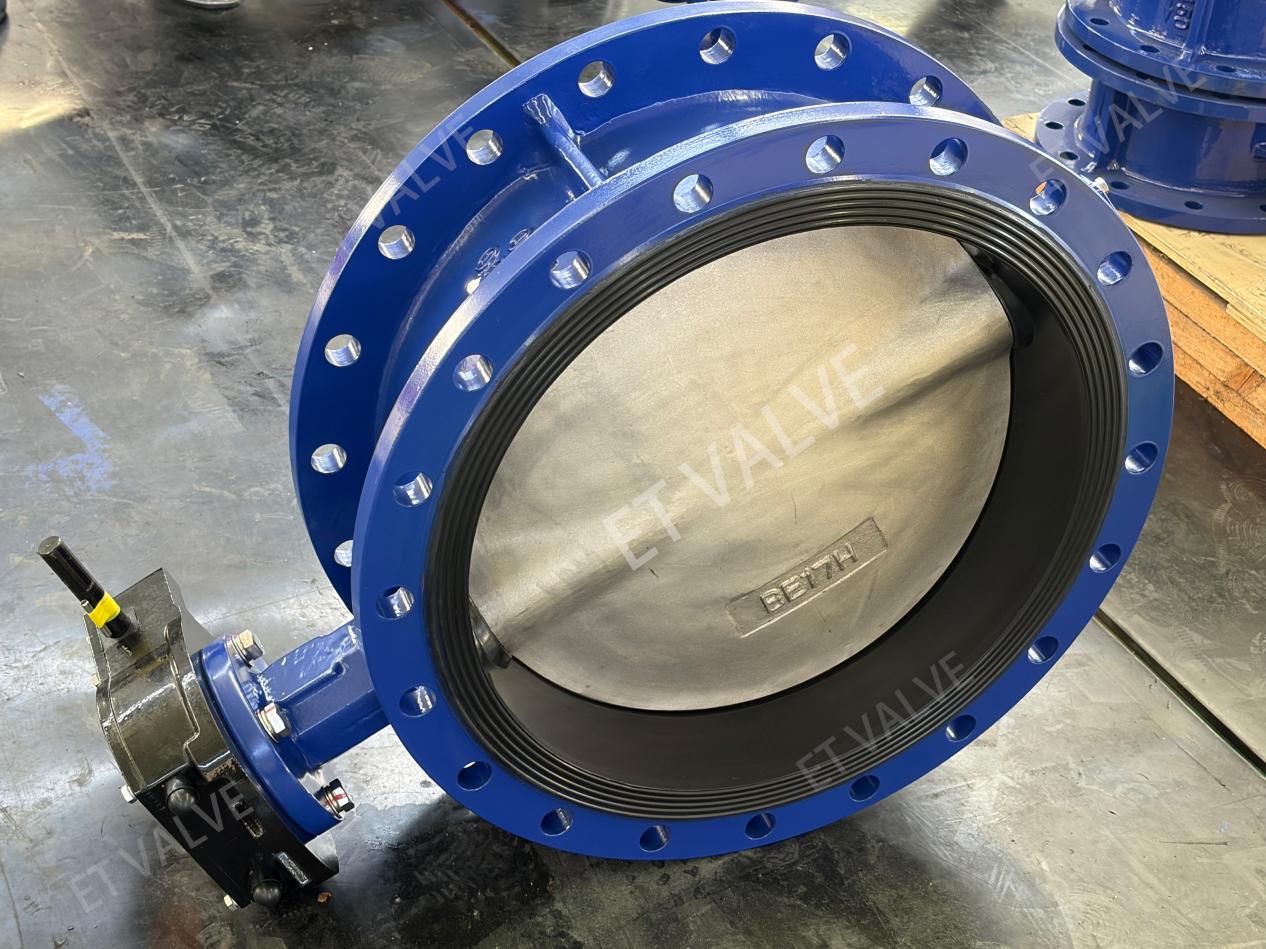
Look through an open valve and you’ll see the seat around the bore. The disc presses against it when you close the valve. Getting that contact right matters for leakage and for the effort needed to turn the disc.
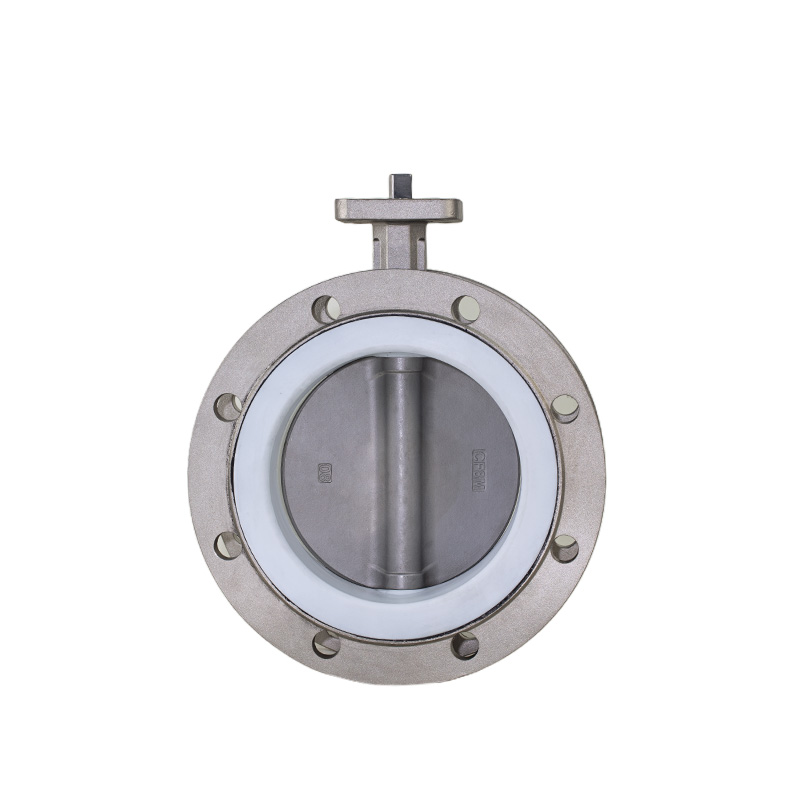
Don’t read “hard-back” as “metal seal.” You’re still buying a resilient seated butterfly valve here. The extra support sits behind the sealing material. Choosing the butterfly valve seat material is a separate job.
1. Soft-Back Butterfly Valve Seats: Flexible and Replaceable
Structure and Key Design Features
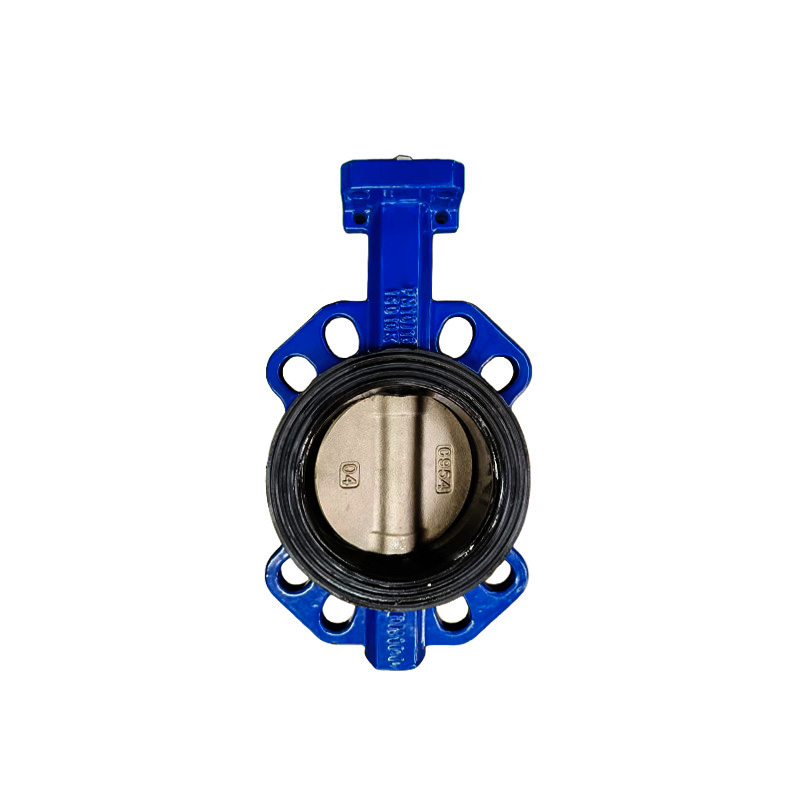
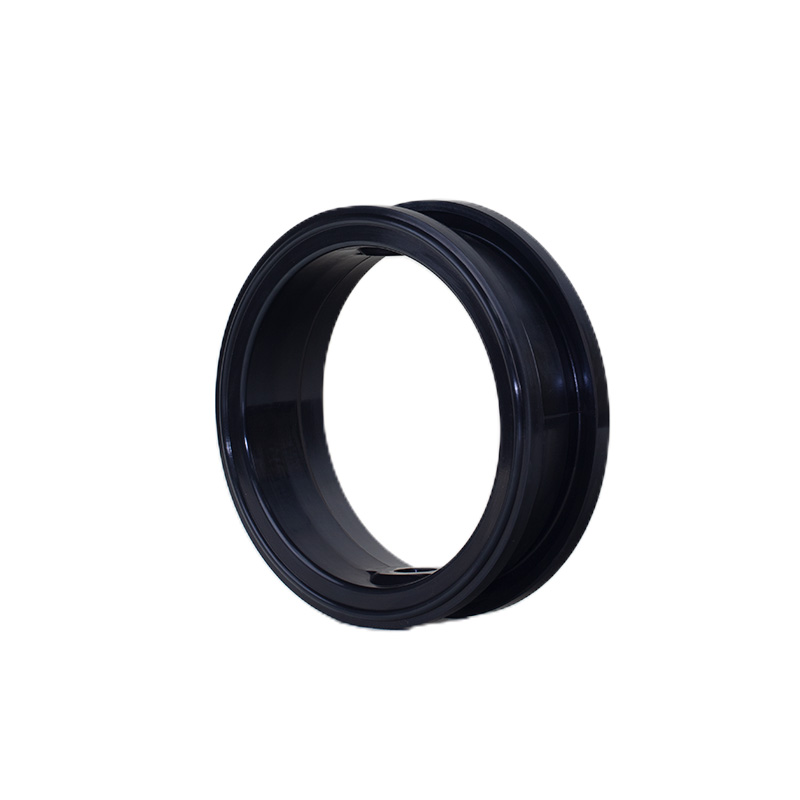
There is no rigid frame inside a soft-back butterfly valve seat. Instead, its hooked profile fits into the body. The rubber has somewhere to expand when squeezed because the body groove leaves space for it. A raised ring helps hold everything in position.
The opening flares towards the ends to reduce scraping from the disc. Look at the end faces too: their O-ring features seal where the pipe flanges meet the valve.
Advantages and Typical Applications
For a water-treatment crew that keeps spare seats, a soft-seated wafer butterfly valve is worth considering. Suitable cooling-water circuits are another application.
EPDM can be a sensible material choice for compatible water. Just check the spare against the existing body before the shutdown begins. Having a replaceable butterfly valve seat is useful; having the wrong replacement on the bench isn’t.
2. Hard-Back Butterfly Valve Seats: Enhanced Structural Support
How Does a Hard-Back Seat Work?
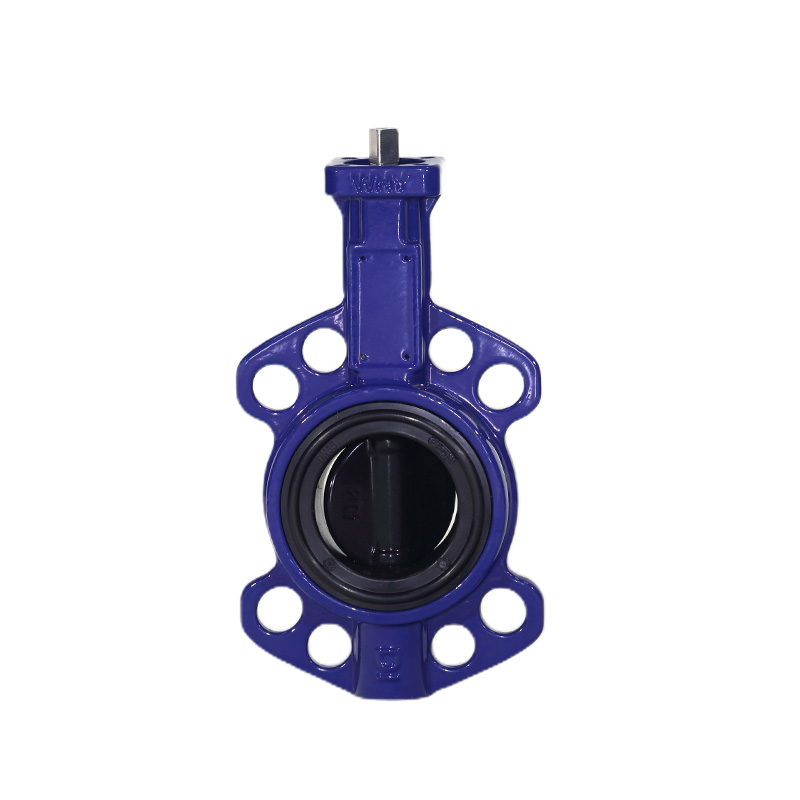
The frame does the supporting work here. It keeps a hard-back butterfly valve seat from being dragged out of shape by the moving disc. The fit inside the body is circular. You can still remove the seat.
There are three O-ring sealing features on our wafer hard-back design. Pay attention to the flange: the contact width is relatively narrow. We specify weld-neck flanges for effective sealing with that arrangement.
Where Is a Hard-Back Seat a Good Fit?
Clean-water utilities and suitable oil lines are candidates. Dry air deserves a separate material check.
You’ll find this seat construction in our lug butterfly valves and U-type flanged valves. Planning to disconnect one side of a lug valve? Tell us before ordering so we can check the permitted end-of-line pressure for that model.
3. Vulcanized Butterfly Valve Seats: An Integrated Sealing Design
What Makes a Vulcanized Seat Different?
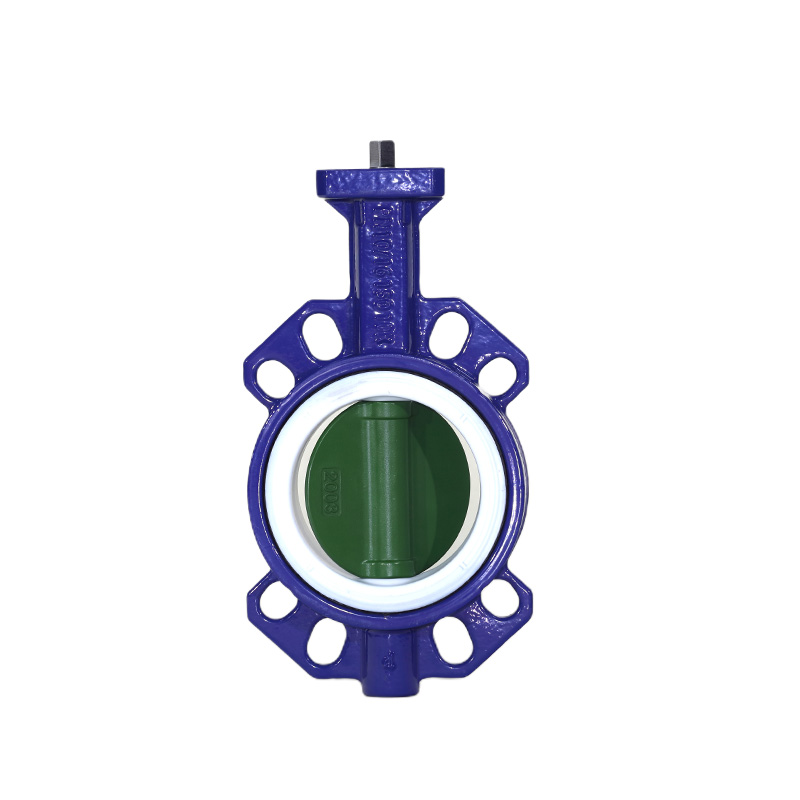
A vulcanized butterfly valve seat is bonded straight onto the body. The bond helps resist movement or bulging caused by the turning disc. The ends are flared to reduce scraping and have several O-ring sealing features.
Now think about a worn lining. There isn’t a ring to pull out. On an awkward installation, access for removing the valve may matter more than the price of the seal itself.
Typical Industrial Applications
Some wastewater layouts need a complete flange at each end of the valve. That’s where a double-flange rubber-lined butterfly valve comes into consideration. It can also be evaluated for compatible mild chemicals. We wouldn’t approve hotter or more corrosive service merely because the rubber is bonded down.
Soft-Back vs. Hard-Back vs. Vulcanized: Key Differences
|
What changes? |
Soft-Back |
Hard-Back |
Vulcanized |
|---|---|---|---|
|
How the seat is held |
Hooked into body |
Supported by frame |
Bonded onto body |
|
When the seat wears |
Remove and replace |
Remove and replace |
Agree a repair or valve replacement |
|
Before ordering |
Check spare-seat fit |
Check flange contact |
Plan for whole-valve access |
Pressure limits don’t come from this table. Neither does permission to seal against flow from either direction; check the model.
Real-World Applications: Which Seat Design Fits Your Industry?
Municipal Water Supply and Wastewater Treatment
A treatment plant with planned seat replacements has a good reason to consider soft-back EPDM. Say the water runs at 30°C. That falls within EPDM’s −40°C to 110°C material range. But ask what else enters the water: EPDM isn’t suitable for oil. A comfortable temperature margin won’t fix that mismatch.
Oil Transfer and Petrochemical Utility Lines
For a proposed mineral-oil line at 60°C, we’d investigate NBR with a hard-backed seat. NBR covers −20°C to 100°C in material selection. The snag can be the mixture: hydrocarbon aromatic content must be below 40% under our guidance. Solvents are excluded, including benzene and xylene. Get the fluid composition.
Powder Handling and Abrasive Media
Imagine specifying PU for powder at 70°C. With a material range of −20°C to 80°C, you’ve got just 10°C to spare at the hot end. Ask about temperature spikes. PU is an option for abrasive solids; strong acids and strong alkalis are outside its scope. Also look for places where particles could catch against the disc.
Large-Diameter Water and Wastewater Pipelines
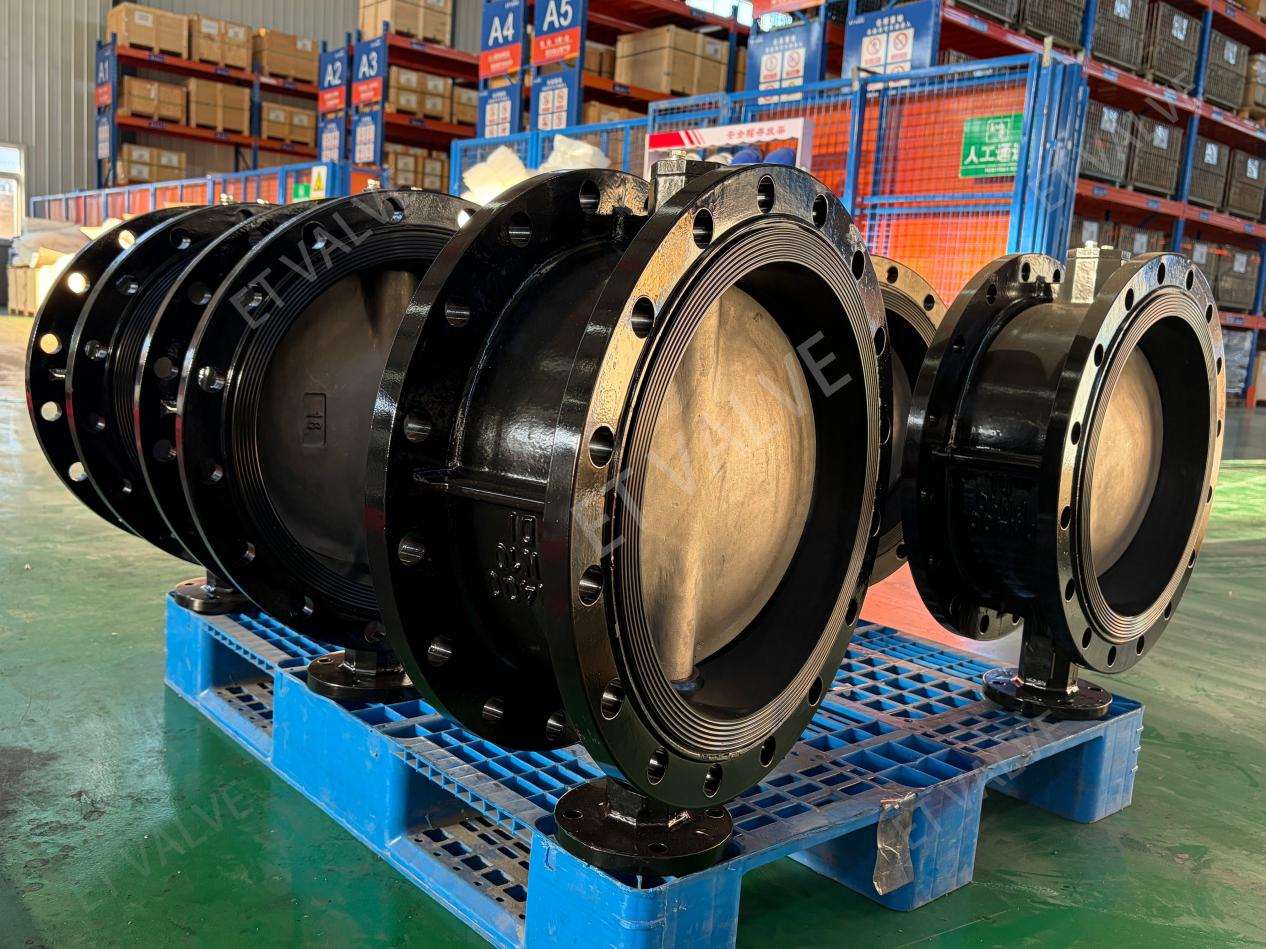
On a large water main, check the pipe gap before settling on a bonded double-flange valve. The installation length follows EN 558-1 Series 13 in this design. For our wafer valves it’s Series 20. Leave access for whole-valve removal as well as room to install it.
How to Choose the Right Butterfly Valve Seat
Before requesting a quotation, gather the details that affect the choice:
Fluid: Give its composition and any cleaning chemicals. “Water” can hide an oil-contamination problem.
Duty: Include normal temperature and possible peaks. State working pressure and shutoff differential pressure separately.
Maintenance: Decide whether a removable seat is essential.
Connections: Specify flange standard and installation length. Flag any end-of-line use.
Wear: Describe solids and how often the valve cycles.
HEPDM or VITON may be worth discussing for other duties. Some configurations also accept PTFE with an HEPDM lining. The material temperature figures aren’t ratings for the whole valve; pressure still has to be checked at your operating temperature.
Include the valve size when requesting a project-specific valve configuration. That lets us check which body and seat combinations are available.
Questions fréquemment posées
Is a hard-back butterfly valve seat the same as a metal seat?
No. “Hard” refers to the backing. The disc still shuts against a resilient seal in the designs discussed here.
Can a vulcanized butterfly valve seat be replaced?
Our bonded designs don’t allow routine seat removal. Agree on the repair or whole-valve replacement arrangement before purchase.
Which butterfly valve seat is best for wastewater applications?
What’s mixed into the water? How much solid material passes through? Those answers come before choosing a seat. “Wastewater” alone isn’t enough.
Conclusion: Match the Seat Design to Your Operating Conditions
When comparing butterfly valve seat types, picture the next repair as well as today’s installation. We’d favour a removable seat if routine replacement is part of the plan. A bonded seat brings a different commitment. Get the fluid compatibility right either way.
Articles récents
PRODUITS CONNEXES
Sélectionnez le produit qui vous intéresse
Contactez-nous
Contactez-nous à tout moment




ET Valve